Football
India Under-20 land in Thailand for AFC Women’s Asian Cup, skipper Shubhangi upbeat

The Indian Under-20 women’s team, which will take part in the AFC Women’s Asian Cup, landed in Thailand on Friday.
The 24-player squad, which qualified for the Asian Cup after 20 years, will have 13 days to acclimatise to the local conditions in Bangkok before their first Group C match against Japan on April 2. India will then take on Australia on April 5 and Chinese Taipei on April 8.
The top two teams in the group and the two best third-placed teams among all three groups will make it to the quarterfinals. Further, the four quarterfinal winners will qualify for the FIFA Under-20 Women’s World Cup Poland 2026.
https://www.instagram.com/p/DWDnWbjGSVR/?utm_source=ig_web_copy_link&igsh=NTc4MTIwNjQ2YQ==
India, under Swedish head coach Joakim Alexandersson, had begun their current training camp in Bengaluru in January after the conclusion of the first phase of the IWL. Later, they had a one-month camp in Sweden, where they played five friendly matches against the senior teams of Swedish club sides.

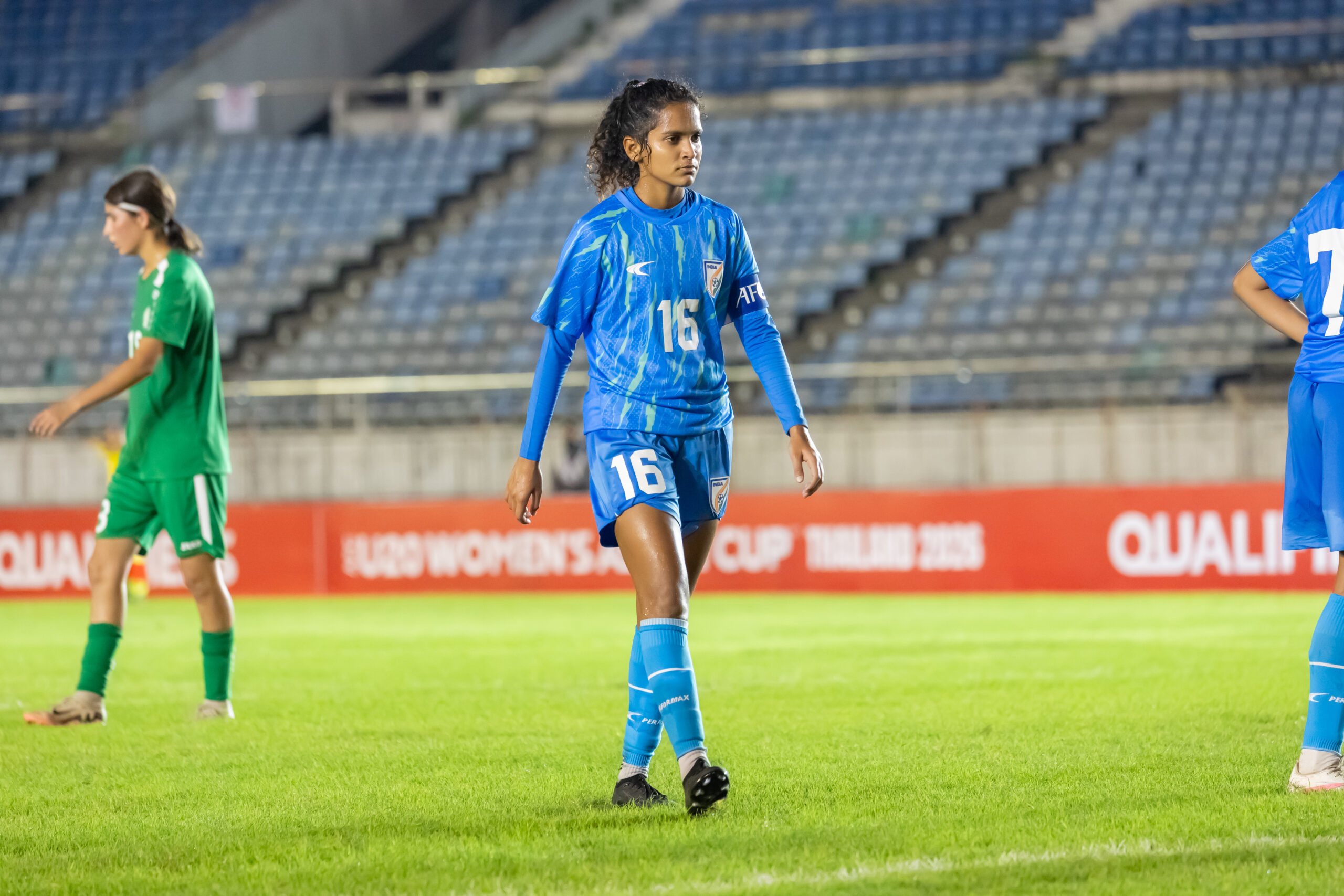
Spending a month in Sweden and playing against European clubs was a great experience. Those teams were physically taller and stronger than us, so it helped us understand how to handle that, says India Under-20 captain Shubhangi Singh. Pics: AIFF
After their return from Scandinavia, the Young Tigresses continued training in Kolkata, from where they departed for the Thailand capital in the wee hours of Friday. Alexandersson will announce the final 23-member squad closer to the tournament.
For captain Shubhangi Singh, the significance of qualification has already been processed. The celebrations in Myanmar, where India ended their 20-year wait, have given way to a sharper, more immediate focus.
India Under-20 women down Swedish club Älvsjö AIK 5-2
“We went there with the mindset to qualify, and we did,” she said. “When you already believe, something is going to happen, it doesn’t come as a surprise.”
Focus is on the 3 difficult group games, Shubhangi
“Our focus is on the three difficult group games ahead. At this stage, we don’t expect any easy matches. We’re ready and want to go out there and perform well against top teams. Before the Asian Cup, we’ll play some more preparatory matches, so that will also help us,” Shubhangi said.
https://www.instagram.com/reel/DU2gO06Ckpb/?utm_source=ig_web_copy_link&igsh=NTc4MTIwNjQ2YQ==
“We prepared really well,” Shubhangi explained. “Spending a month in Sweden and playing against European clubs was a great experience. Those teams were physically taller and stronger than us, so it helped us understand how to handle that.”
A heavy defeat in their opening game against the senior side of Hammarby IF, one of Sweden’s top clubs, served as a reality check, but also as a turning point.
“The first game was the toughest. The 0-6 loss wasn’t acceptable, but it was a big learning experience. From the second game onwards, we adapted better. We had a couple of wins, a draw, and a loss before ending the camp with a 5-2 win (against Älvsjö AIK). Overall, it helped us understand European playing styles and prepare for teams like Japan,” said the 19-year-old.
Before Sweden, the Young Tigresses had already tested themselves against Central Asian opposition, facing Uzbekistan (1-0 and 4-2 wins) and Kazakhstan (3-2 win and 1-1 draw) in multiple friendlies. They had also faced Uzbekistan in July, winning 4-1 and drawing 1-1. Uzbekistan also qualified for the Asian Cup, and were, in fact, ranked higher than India, in Pot 3, for the group stage draw.
“We’ve played Uzbekistan multiple times, before and after the qualifiers, and managed good results, including three wins and a draw,” Shubhangi noted. “They are physically strong, so it was valuable to compete against them.”

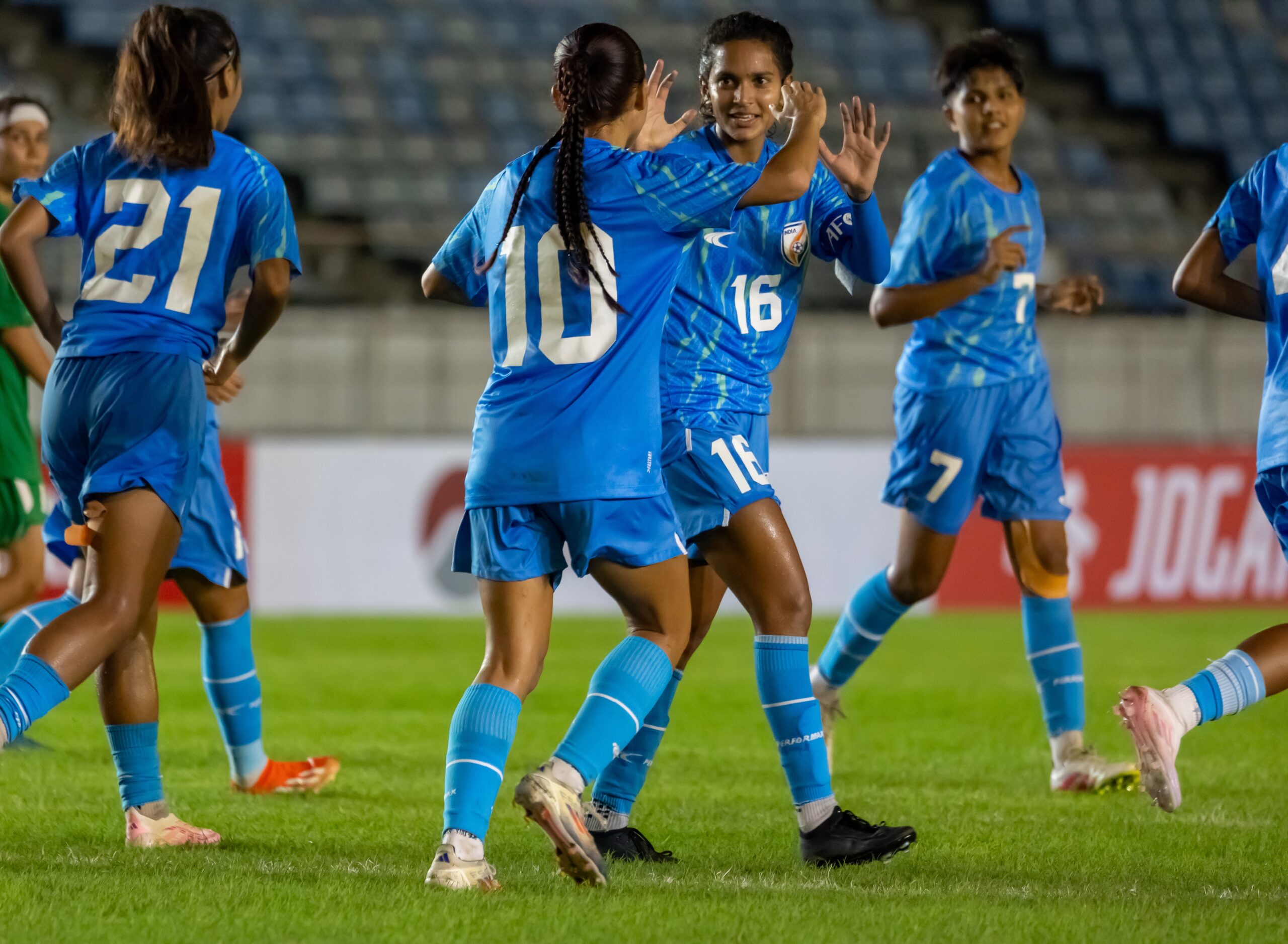
The focus is to perform well and aim for qualification to the knockout stages. To everyone in Thailand and back home in India, please watch and support us! Your support means a lot, and we’ll do our best to perform well, Shubhangi said
“We had one win and one draw in Kazakhstan. We were the better team in terms of possession, but we initially struggled against physically bigger players. Those matches taught us a lot about handling such opponents.”
We’ve grown as individuals and as a team: Shubhangi
What perhaps defines this Indian side most is continuity. The core group has spent over a year together, growing not just tactically, but also in understanding and cohesion. Before heading to Sweden and after the mid-season IWL break, the Young Tigresses were training in Bengaluru. Since returning from Scandinavia, they have continued their camp in Kolkata.
“We’ve been together for over a year now, and that has really helped with bonding and understanding each other on and off the pitch,” Shubhangi said. “We’ve grown a lot as individuals and as a team.
https://www.instagram.com/p/DQPGt8_gWTO/?utm_source=ig_web_copy_link&igsh=NTc4MTIwNjQ2YQ==
“The sessions were focused on our tactics for the Asian Cup campaign, how we want to play and prepare for specific matches, especially the first game,” she explained. “The intensity and tempo of sessions were very high. Recovery was faster in the cold weather in Sweden, so physically it helped as well.”
For many in the squad, this will be the biggest stage of their careers so far. But for Shubhangi and her teammates, the ambition extends beyond just being present.
“The focus is to perform well and aim for qualification to the knockout stages. To everyone in Thailand and back home in India, please watch and support us! Your support means a lot, and we’ll do our best to perform well,” she said.
The squad: Goalkeepers: Monalisha Devi Moirangthem, Nandini, Ribansi Jamu.
Defenders: Alka Indwar, Cindy Remruatpuii Colney, Nishima Kumari, Remi Thokchom, Ruchi Yadav, Sahena TH, Shubhangi Singh, Thoibisana Chanu Toijam.
Midfielders: Anju Chanu Kayenpaibam, Arina Devi Nameirakpam, Bhumika Devi Khumukcham, Monisha Singha, Neha, Pooja, Shruti Kumari.
Forwards: Babita Kumari, Deepika Pal, Lhingdeikim, Shilji Shaji, Sibani Devi Nongmeikapam, Sulanjana Raul.
Head coach: Joakim Alexandersson. Assistant coach: Paromita Sit. Goalkeeping coach: Hameed KK.