Exclusive
Last Tango at World Cup: Farewell to a Golden Gen that made the Beautiful Game far richer

Every FIFA World Cup marks the end of one era and the beginning of another. But the 2026 tournament, that was jointly hosted by the USA, Canada and Mexico, will be remembered as something even more significant in football history. It was the final World Cup for a remarkable generation of footballers who have defined the sport for nearly two decades.
https://x.com/Messi_TheGOAT/status/2079023488573354035?s=20
For millions of football fans, it will be difficult to imagine a World Cup without their familiar faces. When the final whistle was blown on the last match, the game bid adieu to some of its greatest stars of the first quarter of the century. Many of them introduced their own styles and innovations in the game of football. Their brilliance, their thinking and inventive methods enriched the game.
https://x.com/centregoals/status/2078974130532261954?s=20
At the top of the list are two men whose rivalry elevated football to mesmerising heights, namely Cristiano Ronaldo and Lionel Messi.

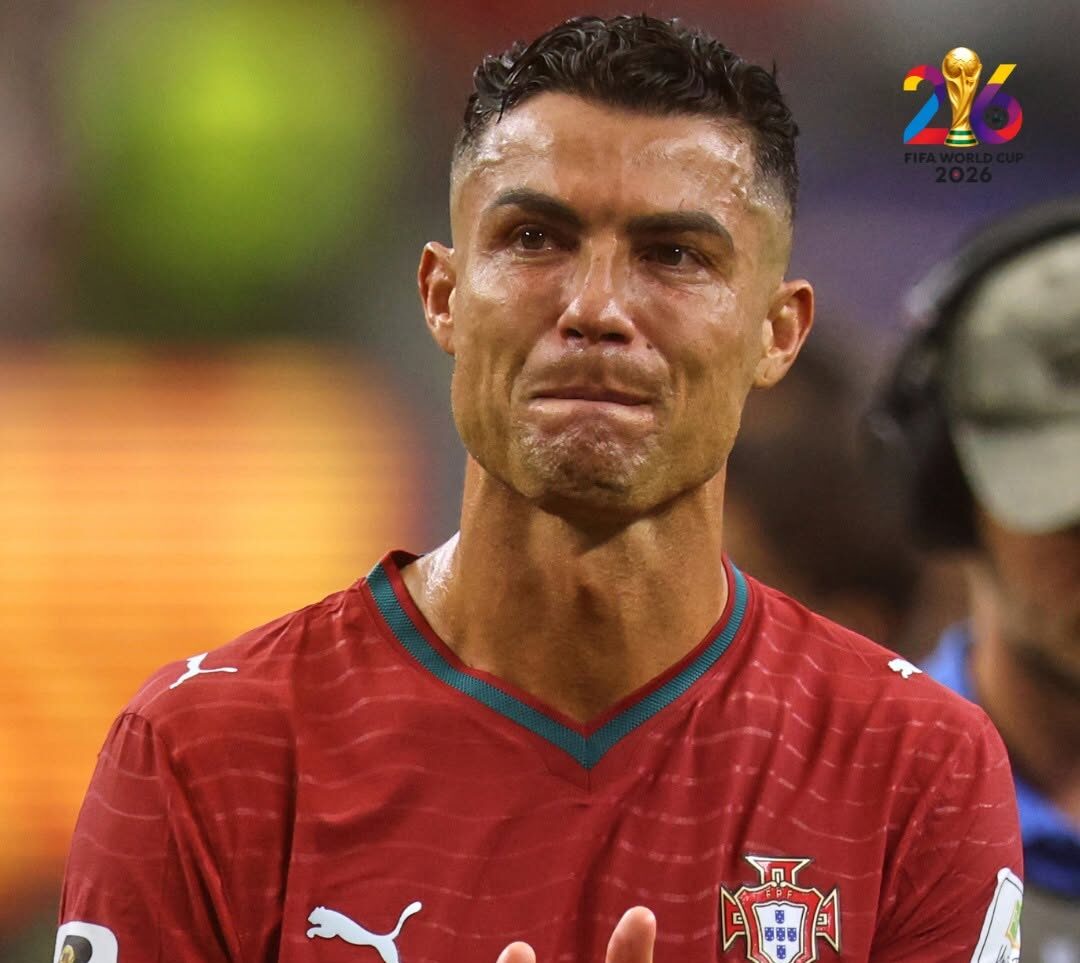
Cristiano Ronaldo has never won the World Cup but at 41, merely appearing at his sixth World Cup was an achievement to applaud. Pics: FIFA/X
Ronaldo’s career has been built on his relentless ambition, footballing excellence, superb fitness and an insatiable hunger for goals. Over more than twenty years, he has broken almost all scoring records, won league titles in England, Spain and Italy, claimed multiple Champions League trophies, and inspired Portugal to major international success. He, however, has never won the World Cup but at 41, merely appearing at his sixth World Cup was an achievement to applaud.
Will the world see a reincarnation of Diego Maradona at the 2026 FIFA World Cup?
Messi’s legacy is different but equally magnificent. His artistry, vision and magical ball control made him perhaps the most naturally gifted footballer of his times. Winning the 2022 World Cup completed his collection of major honours. But now, even at 39, he showed moments that left the spectators speechless. His sixth World Cup was a testament to his exceptional longevity. Many of the opponents he played against were 20 years younger than him. One of them being Lamine Yamal of Spain, who hugged Messi warmly after the final.
Luka Modric transformed Croatia
Then there was Luka Modric, the elegant Croatian midfielder whose intelligence and technical brilliance transformed Croatia into one of world football’s most respected teams. The 2018 Ballon d’Or winner led Croatia to the World Cup final in 2018 and another podium finish in 2022.
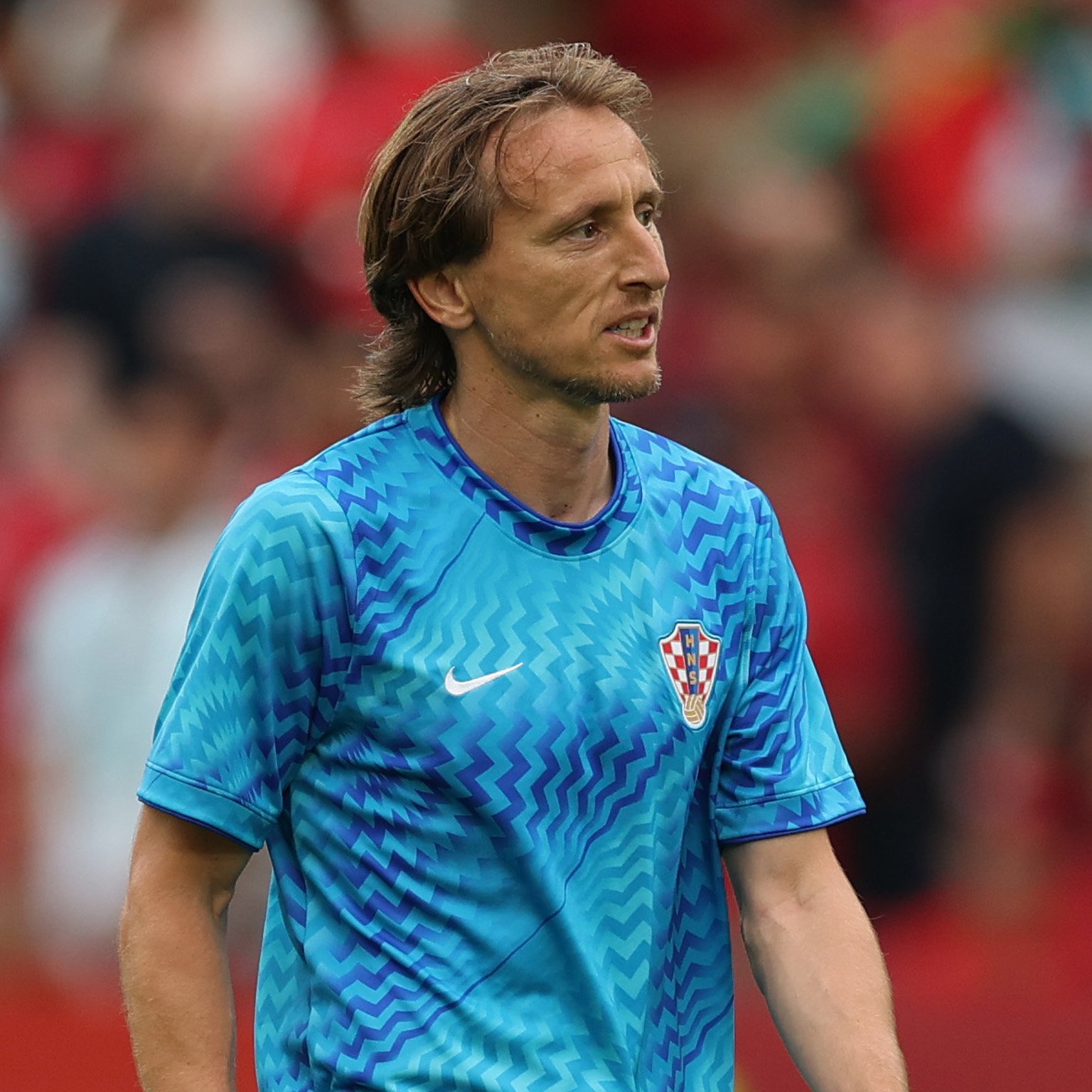

His calmness under pressure and extraordinary passing ability have made him one of the finest midfielders the game has ever seen. World football will be poorer after his departure.
Mexico’s Ochoa was unbeatable in the goal
Few goalkeepers have become as beloved as Guillermo Ochoa of Mexico. His breathtaking performances against Brazil in 2014 and Germany in 2018 turned him into a World Cup icon. Although he spent much of his club career outside Europe’s biggest leagues, Ochoa consistently produced his finest football whenever he wore the Mexican jersey.
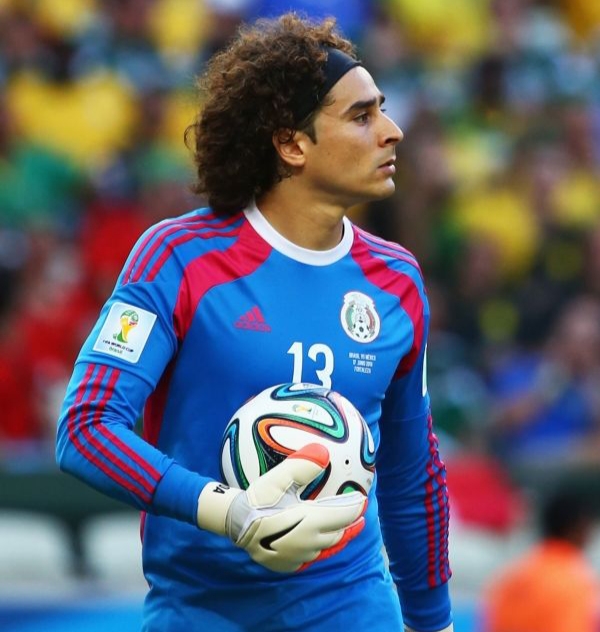

Like Messi and Ronaldo, he is among the select few players to have been selected for six World Cups. His unbreakable defence of the Mexican goal will be sorely missed by his nation.
Manuel Neuer introduced a new concept
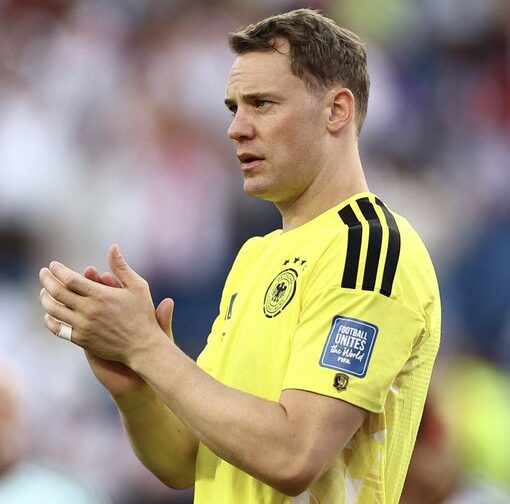
Another giant who took his final bow was the tall German goalie Manuel Neuer. The German revolutionised goalkeeping by redefining the “sweeper-keeper,” playing almost as an extra defender while remaining one of the world’s finest shot-stoppers. His influence changed the way modern goalkeepers are coached across the globe. Germany will find it difficult to replace the big man with the equally big heart.

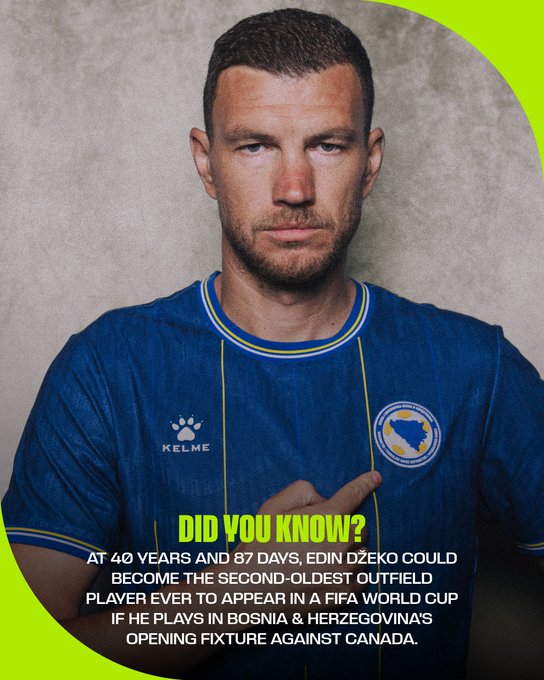
Edin Dzeko inspired Bosnian football
Bosnia and Herzegovina’s Edin Dzeko also deserves recognition too. A prolific striker for his various clubs and his country, he enjoyed a distinguished career with Wolfsburg, Manchester City, Roma, Inter Milan and FC Schalke. His leadership has inspired Bosnian football for nearly twenty years. Now 40 years old, he too may not be seen in the next World Cup.

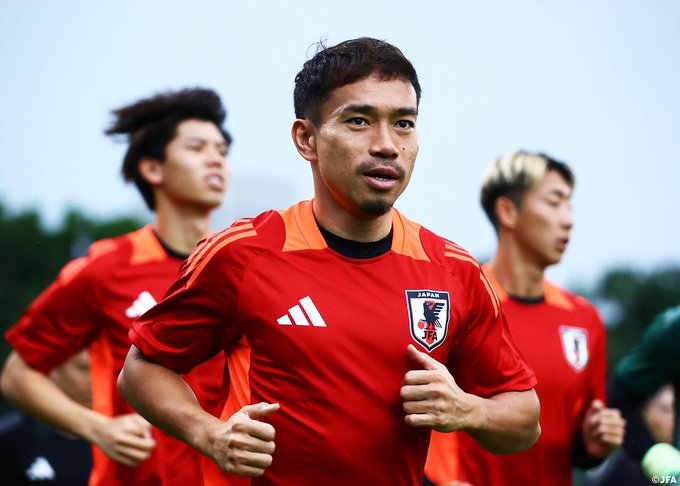
Yuto Nagatomo was Asia’s finest defender
From the Asian continent, Japan’s Yuto Nagatomo has also called it a day. He has been one of Asia’s finest defenders for well over a decade. Renowned for his pace, determination and professionalism, he has represented Japan at five World Cups and set a standard for consistency that few players can match.

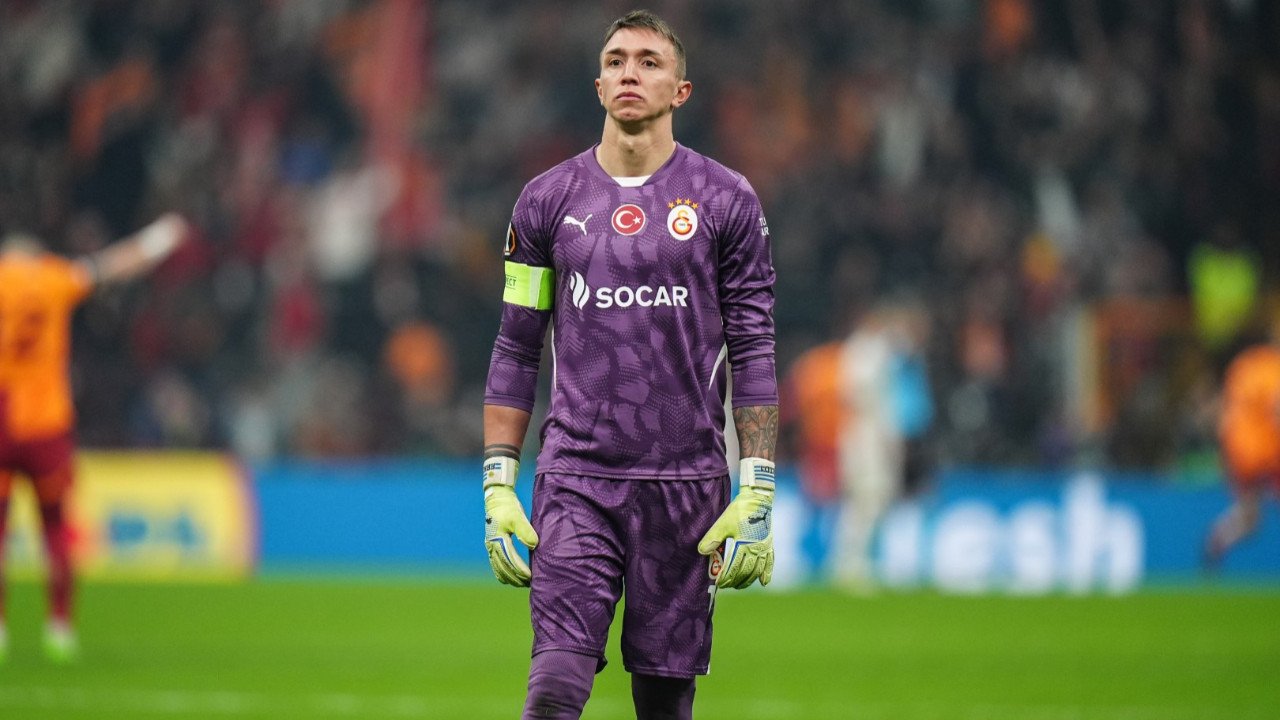
Fernando Muslera was a model of reliability
Uruguay’s Fernando Muslera has also been a model of reliability. For years he stood behind one of South America’s strongest defensive units and was an integral part of Uruguay’s success on the international stage. Muslera earned over 130 caps for Uruguay and played in four World Cup tournaments. Now at age 40, he must be looking for the right time to hang up his boots.

Argentina’s Otamendi will be hard to replace
Then there was Argentina’s Nicolas Otamendi. He is now 38 and it is unlikely that he will be there for the next edition. He may not have received the headlines earned by Messi, but he has been one of the country’s most dependable defenders. His aggressive defending, leadership and determination have been vital throughout Argentina’s recent golden period.
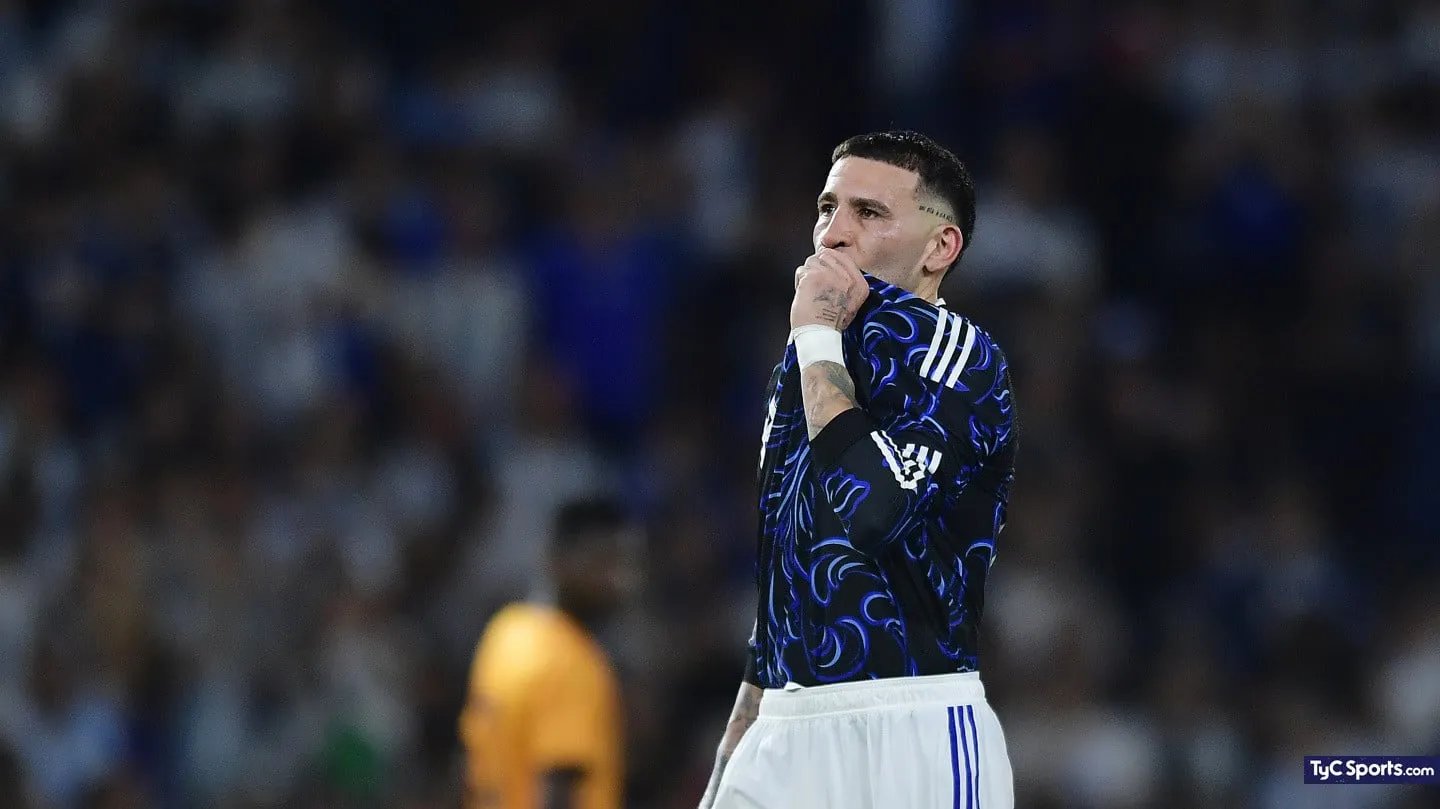

As Messi and Otamendi both depart together, Argentina must look for suitable players to replace these stalwarts and that will not be an easy task.
The farewells were emotional, but memories remain
What made these farewells especially emotional is that these players represented much more than statistics or trophies. They provided the fans with many unforgettable memories such as Ronaldo’s soaring headers, Messi’s mesmerising dribbles, Modric’s inch-perfect passes, Ochoa’s miraculous saves and Neuer’s fearless adventures outside his penalty area.
From the ‘Hand of God’ to the ‘Feet of Messi’, Argentina blessed with 2 incomparable genius
Modern sports science, nutritional awareness and fitness methods have enabled this generation to extend their careers well beyond what was once considered possible. Even fifteen years ago, an extended career such as theirs, could not have been imagined. The game of football has rarely witnessed so many players in their late thirties and early forties competing together at the highest level of the FIFA World Cup.
Football may not be the same
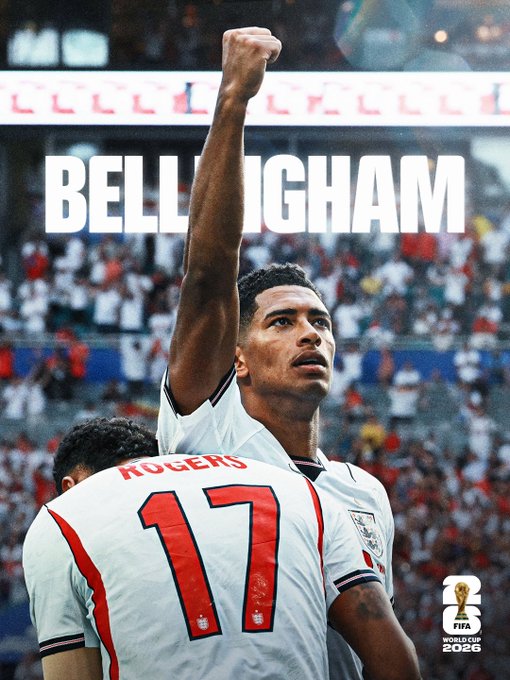
As these legends depart, a new generation led by the young stars such as Lamine Yamal, Nico Williams, Jude Bellingham, Jamal Musiala, Pedri and others will take centre stage. Football’s future is bright but yet the sport will not be the same. A new set of stars is ready to take over and bring their own different approaches and skill sets onto the stage.

The 2026 FIFA World Cup was not merely another tournament. It was the closing chapter of one of football’s greatest generations. It saw the end of a group of players who inspired millions, shattered records and reminded the world why football is called the Beautiful Game. As the curtains came down, the applause and appreciations were not just for the extraordinary players. It was an acknowledgement of an unforgettable era which came to an end.