Published: October 18, 2026 at 12:09 pm
Fitness and injury prevention are essential elements for any athlete to be successful. Yet, they are not given the same importance as training and acquiring the necessary skills. Cricket is a team sport, but every player has individual physical requirements, nutritional needs and technical responsibilities. Talent may help a player earn a place, but fitness, discipline, knowledge and consistency help the player to perform at a higher level and have a long career.
Cricket has evolved into a physically demanding sport in which players are expected to sprint, jump, dive, throw, change direction, maintain concentration and perform under pressure. Whether a player is a fast bowler, spinner, batter or fielder, physical conditioning and sound technique are fundamental to performance.

Unfortunately, some players concentrate heavily on their cricketing skills while overlooking bone health, muscle strength, proper nutrition, recovery and injury prevention. The result can be ‘avoidable’ injuries, reduced performance, longer recovery periods and interruptions to a promising career. The solution is not simply to train harder. It is to train intelligently, eat appropriately, understand the body and follow professional guidance.
Cricket is more than a game of bat and ball
Many young cricketers believe that spending long hours in the nets is enough to become successful. Practice is certainly essential, but it must be supported by a well-designed fitness programme. Cricket requires a combination of strength, speed, endurance, balance, flexibility, coordination, agility and mental resilience. Each playing position places different demands on the body.
https://x.com/CricCrazyJohns/status/2090017942209749033?s=20
Fast bowlers repeatedly deliver the ball at high speed, placing considerable demands on the legs, hips, trunk, shoulders and lower back. Batters need coordination, rotational power, balance and the ability to react quickly. Fielders must accelerate, decelerate, dive, change direction and throw accurately, sometimes under intense pressure.
Fitness and injury prevention should therefore become an integral part of every player’s development, rather than an activity reserved for the off-season or the period after an injury. A player who understands the demands of the game is better prepared to train for those demands.
Bone and muscle strength is the foundation
Bone and muscle health are especially important for cricketers who train and compete regularly. Bones provide structural support and muscles generate force, stabilise joints and control movement. Tendons and ligaments also contribute to the body’s ability to move and tolerate sporting demands.

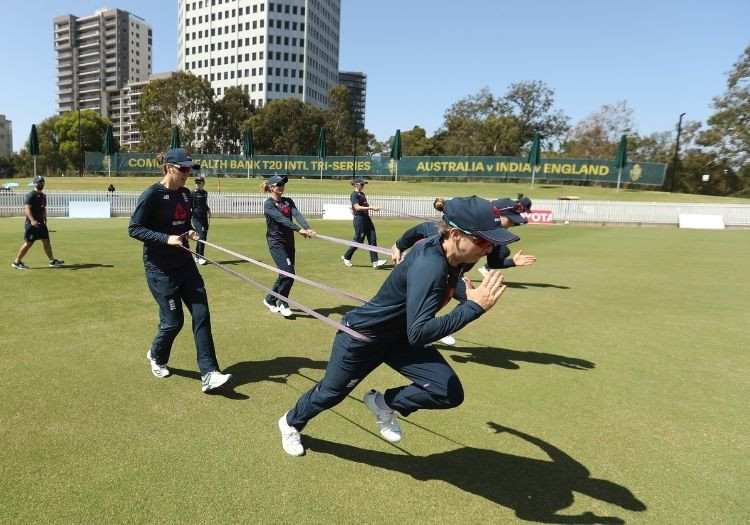
When players neglect strength training, recovery, adequate food intake or persistent pain, their ability to withstand the demands of cricket may be compromised. A well-planned conditioning programme should include:
Strength training: Exercises appropriate to the player’s age, experience and physical condition, covering the legs, hips, trunk, back, shoulders and arms.
Core stability: Training that helps players control their trunk during bowling, batting, throwing and changes of direction.
Balance and coordination: Activities that improve body control during landing, turning, running and fielding.
Progressive loading: Increasing training intensity gradually rather than suddenly exposing the body to excessive workloads.
Bone health support: Adequate nutrition, appropriate weight-bearing exercise, recovery and medical assessment when risk factors or symptoms warrant it.
Calcium, Vitamin D, protein and sufficient overall energy intake contribute to healthy bones and muscles. However, supplements should not be treated as a substitute for a balanced diet or professional assessment. Players with recurrent bone pain, suspected stress injuries or persistent fatigue should seek medical evaluation.
Strong muscles do not guarantee freedom from injury, but suitable strength and conditioning can help players prepare for the physical demands of the sport.
Nutrition matters for fitness
One of the most important challenges in cricket is the lack of individual nutritional awareness. Some players do not know what to eat before a match, how to fuel long training sessions, when to recover with food or how much fluid they need.

Nutrition is not simply about eating more. It is about eating the right types of food, in appropriate amounts, at suitable times to support the player’s workload and recovery. Cricketers who frequently feel exhausted, struggle to recover, lose weight unintentionally or experience repeated injuries should discuss their diet and symptoms with qualified professionals.
Importance of consulting qualified professionals
No single coach or fitness trainer can replace every specialist. A successful cricket development programme benefits from cooperation among coaches, doctors and sports science professionals. Players should seek guidance from the appropriate experts:
Sports physician: Helps assess overall health, exercise readiness, unexplained fatigue, recurring injuries and safe return to sport.
Orthopaedic specialist: Evaluates bone, joint, tendon and ligament problems when specialist assessment is needed.
Sports nutritionist or appropriately qualified dietitian: Develops a nutrition plan based on the player’s age, training demands, dietary preferences, health needs and goals.
Physiotherapist: Assesses movement, rehabilitation needs, mobility, strength deficits and the progression back to training after injury.
Strength and conditioning coach: Designs suitable programmes for strength, power, speed, agility, endurance and movement control.
Cricket coach: Develops technical skills, tactical understanding and position-specific performance while coordinating training demands with the wider support team.
Crucially, players should not wait until an injury becomes serious before asking for help. Early assessment of persistent or worsening symptoms can help identify problems and guide appropriate management. The message to every young cricketer is simple: learn the game, understand your body, respect your coach, eat to support your training, recover properly and never ignore persistent pain.
Cricket fitness and injury prevention are not separate from cricketing excellence. They are essential parts of becoming a stronger, smarter and more responsible cricketer. A successful cricket career is not measured only by how brilliantly a player performs today, but also by how intelligently he/she prepares to perform tomorrow.