Published: August 3, 2026 at 4:37 pm
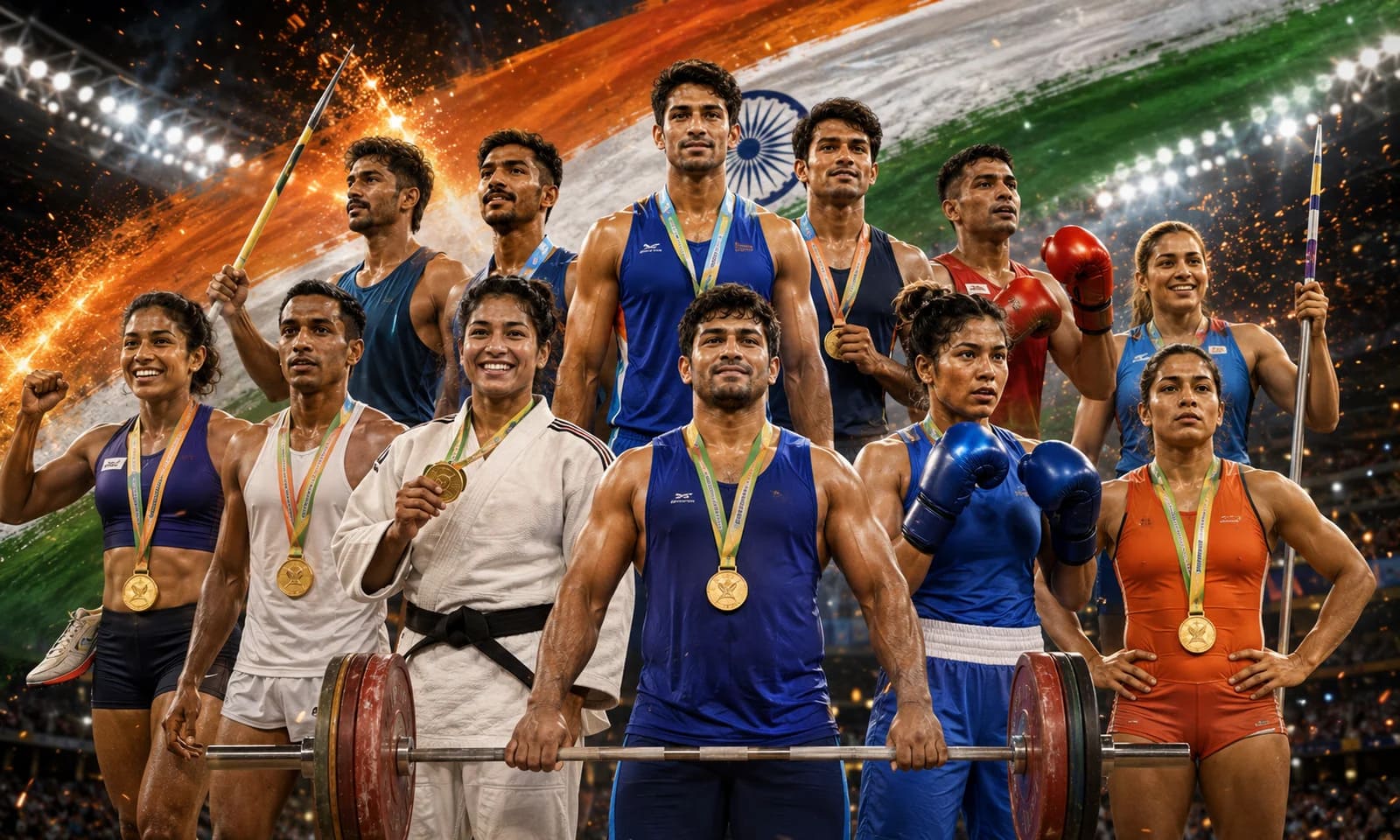
India, who will host the next edition of the Commonwealth Games (CWG), finished the 2026 edition at the fourth spot in the medals tally. It was a noteworthy achievement by the Indian sportspersons, especially the boxers, but we are still far behind the world. A fourth position at the CWG pampers our egos but does nothing to address the shortfall in our sporting culture.
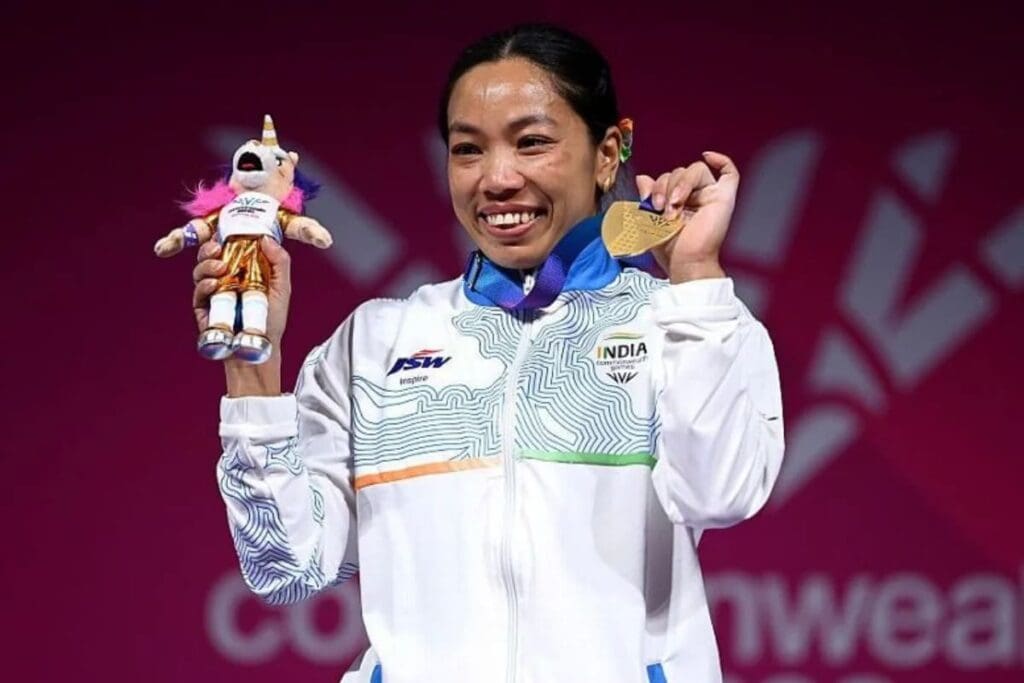
Mirabai Chanu
Australia ended the games in a blaze of glory. They finished at the top of the medal tally with 65 gold medals, 41 silver medals and 52 bronze medals to total an incredible 158 medals. England with 26-40-35 (total 101) were second and Canada with 18-20-21 (total 59) were a distant third. India retained the fourth spot that it had got in the previous edition in 2022. This time India got 13-17-9 to total 39.
https://x.com/Media_SAI/status/2084213523710927207?s=20
India were lagging behind in the 9th spot but in the last two days of the competitions, they moved up dramatically due to the excellent performance of the boxers, judokas and track athletes. Boxing was the best sport for India as they bagged 10 medals including seven golds. The gold medal winners were Preeti Pawar, Jasmine Lamboria, Sakshi Chaudhary, Priya Ghangas, Arundhati Choudhary in the women’s category and Sachin Siwach and Ankush Panghal in the men’s category.
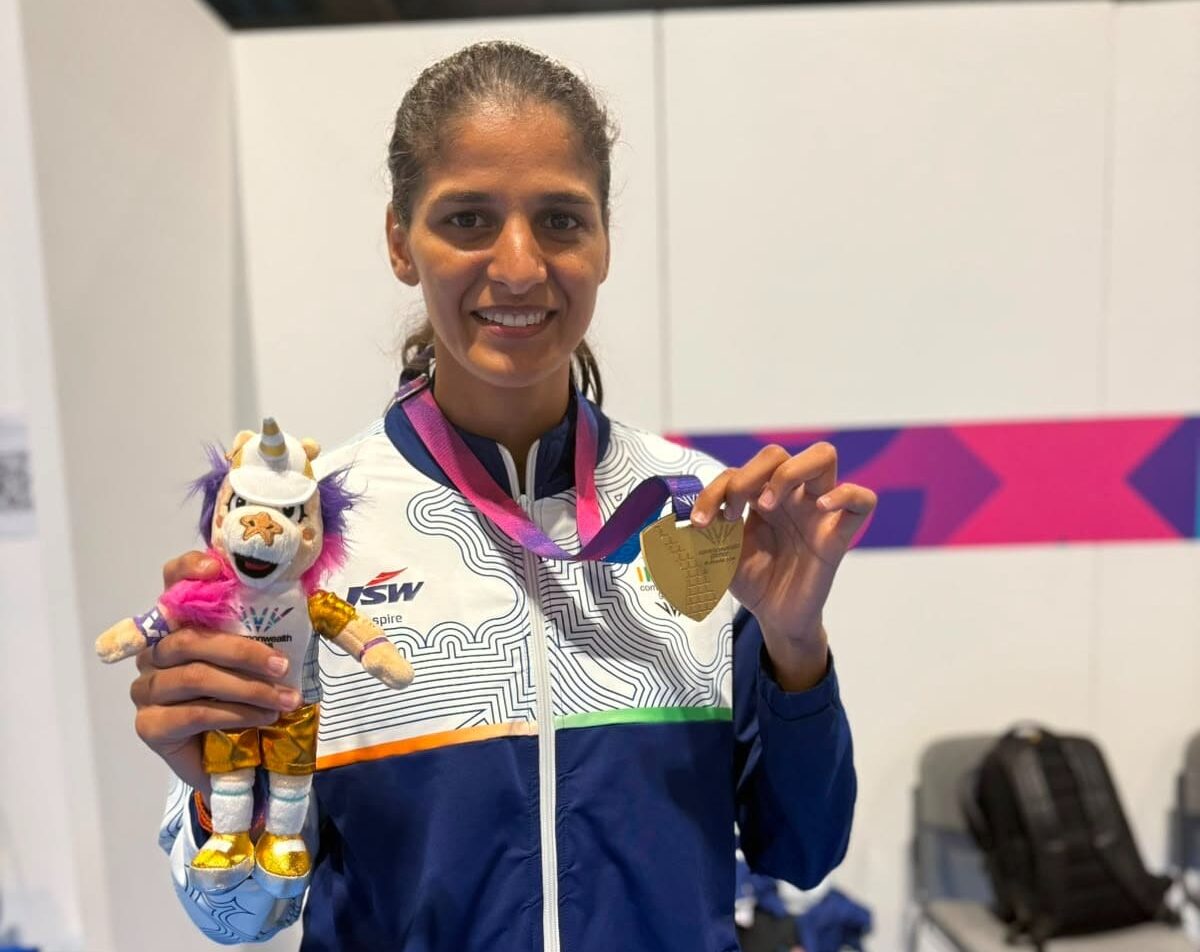
Jasmine Lamboria
It was weightlifter Saikhom Mirabai Chanu who set the ball rolling for India in the early stages of the championship. But India had to wait for a long time before the gold medals began flowing again. Others who won golds were Para athletes Sharmila Dhankar (women’s shot put F57 category), Dilip Gavit (men’s 100m T47) and Soman Rana (men’s shot put F57) as well as judokas Asmita Dey (women’s 48kg) and Harsh Singh (men’s 60kg).
CWG standards are not of the highest class
While it was a good haul, India should make every effort to further increase the tally. It is well-known that the standards in the Commonwealth Games are not very high. Our medal winners will face a much tougher time in the Asian Games which is coming up later this year. Athletes from China, Japan, Korea and the central Asian countries will provide a much harder competition in the Asian Games.
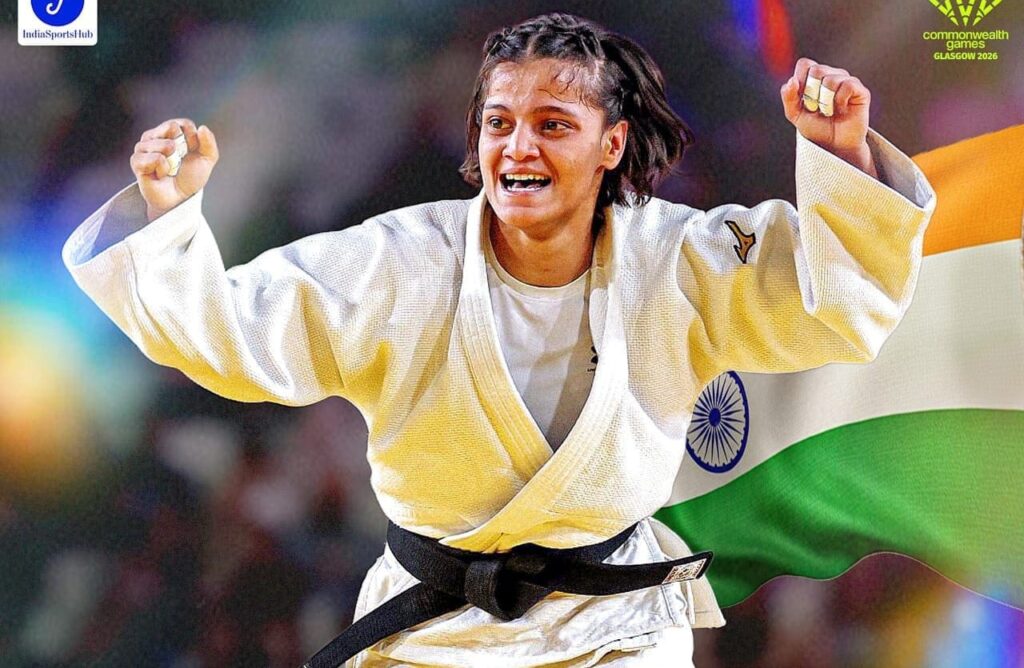
Asmita Dey
Perhaps India can learn a thing or two from Australia in inculcating a sports culture. The Aussies have long been one of the world’s greatest sporting nations. With a population of only about 28 million, Australia consistently ranks among the leading countries in the Olympics and the Commonwealth Games. Australian teams in cricket, rugby and hockey are the best in the world. In swimming, tennis, sailing, cycling, and many other sports they produce international champions. In the Olympic Games, Australia bag at least 50 medals each time and they also play in the FIFA World Cup. This remarkable success is the result of several factors working together rather than one single reason.
Sport is deeply woven into Australian life. Children are encouraged to play games from a very young age, and sporting achievements are celebrated as much as academic success. Weekend sports competitions involving schools and local clubs are a way of life for many families. Australians grow up idolizing sporting heroes such as cricket legend Don Bradman, swimming champion Ian Thorpe, sprinter Cathy Freeman, and tennis legends like Rod Laver, Ken Rosewall, John Newcombe and many others, thus inspiring new generations to follow in their footsteps.
Australia made heavy investment in sports science
Australia was among the pioneers in applying sports science to athletic performance. Following a disappointing performance at the 1976 Montreal Olympics, the government established the Australian Institute of Sport in 1981. The institute revolutionized Australian sport by providing advanced coaching, nutrition programs, Biomechanics research and sports psychology.
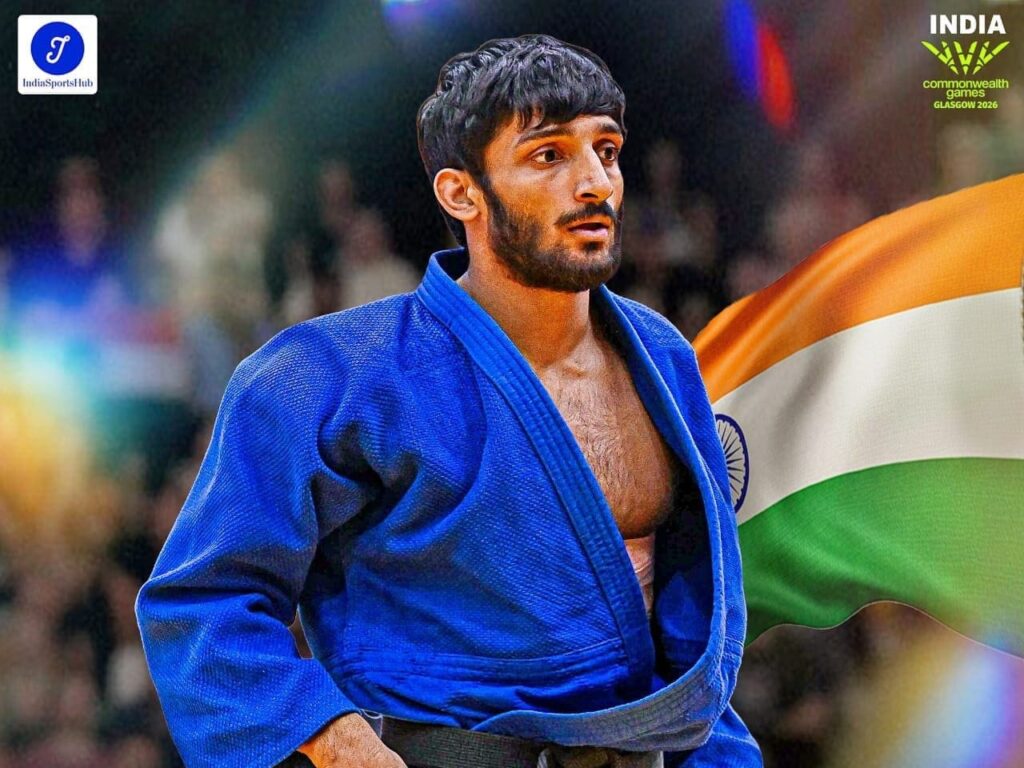
Harsh Singh
So, what else makes Australia such a formidable sporting nation? What other lessons can India can learn from the example of Australia? India had defeated Australia in football in the 1956 Olympics. Now Australia has risen to great heights while India has sunk without a trace. India has more human resources and a vastly larger talent pool. In terms of population Australia has approximately 27 million people. India has a population of approximately 1.48 billion.
Noel Carr: A view from both lived experiences
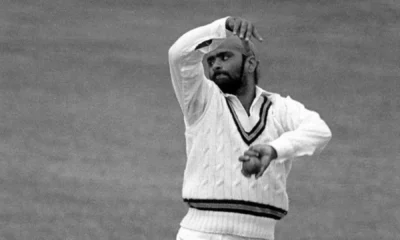
Former cricketer Noel Carr, who played and coached in Hyderabad before moving to Australia and settling down there, gives his insight on the issue. A strong fast bowler, Noel could trouble the best batters of his days with his seam movement. On one occasion, Noel, playing for Syndicate Bank, achieved the rare distinction of capturing all 10 wickets in an innings against the formidable State Bank of Hyderabad team in 1984.
Later he became an A level certified coach from the BCCI’s National Cricket Academy and achieved success as a coach too. He was among the first to spot and guide talented cricketers like Ambati Rayudu (who was also coached by Vijay Paul), Hanuma Vihari, Abhinav Kumar, Alfred Absalom, Anoop Pai and others. Noel worked at St John’s Sports Coaching Foundation where VVS Laxman had spent his early years. For his dedicated contributions, Noel was honoured with the Pride of Andhra Pradesh award in the year 2000.
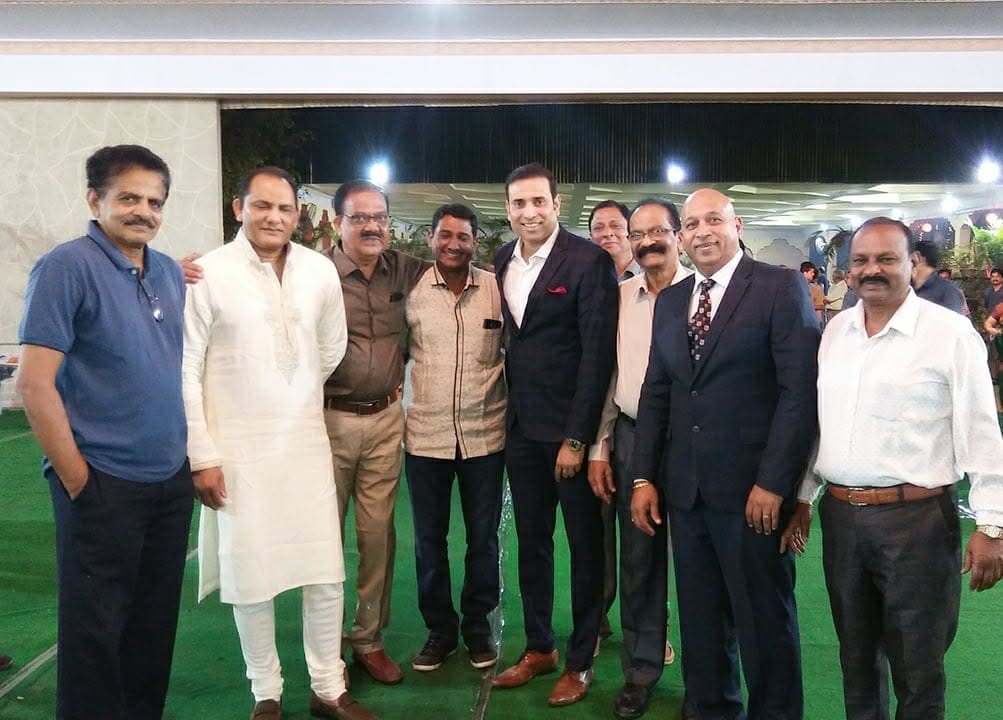
Noel Carr (second from right) with former India players Mohd Azharuddin, VVS Laxman and First-Class cricketers from Hyderabad and Andhra
When the Victoria Cricket Association of Australia invited him to officiate in the Melbourne league before giving him a full-time coaching assignment, it was a recognition of his ability and commitment. Thereafter, he moved with his family to Australia where he saw the system from close quarters as a coach and umpire. He feels that India must make changes to become a modern sports power.
A few years ago, Noel told this correspondent that Australian culture is different from the Indian. “They are more direct in their speech. We feel hesitant to say some things because we feel that the person hearing our words will feel hurt. Sometimes we offer false praise. In Australia they say whatever has to be said without bothering about sentiment. This is good because the boys understand clearly what they have to do in order to succeed. The task is laid before them. Do or die, they are told,” said Noel.
Zero corruption gives Australian sport an advantage
“There is no corruption. See what is happening in Hyderabad. Parents of the players are paying in lakhs to ensure that their children are selected in the state teams. Such things do not happen in Australia. Only the best is selected on merit. So more than anything else, corruption pulls us down,” said Noel.
“Another factor is that discipline is enforced very strictly in Australia. If you are not a disciplined player, you will not make any progress. I have myself enforced this discipline. Once I was umpiring a match and a bowler was constantly swearing at me. I told him that I would take very severe action against him. ‘If I give you a red card, you will be banned from cricket for ten years. Behave yourself or your career will be ruined.’ That did the trick and the player changed his attitude immediately. So, there is no tolerance of misconduct,” explained Noel.
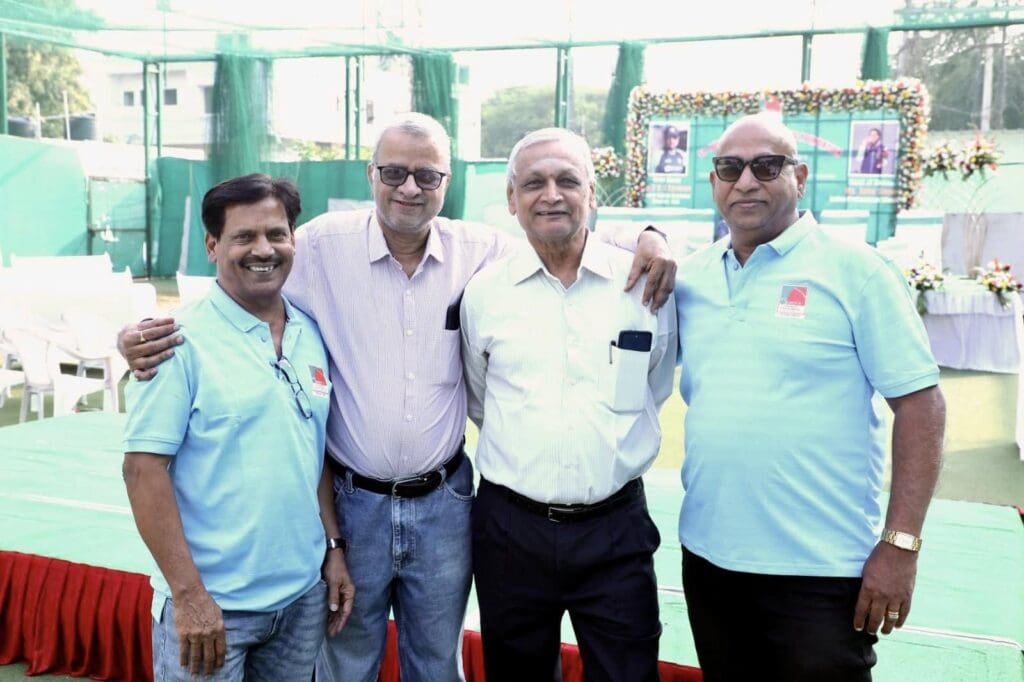
Noel Carr (right) with former First-Class cricketers P Jyothi Prasad and RSR Murthy and journalist N Jagannath Das at the St John’s Sports Coaching Foundation in Hyderabad
“In India we tolerate indiscipline if the player has influence. But if we can enforce discipline in every situation, eradicate corruption and nepotism, we too will improve our sports performances. As long as corruption exists, we cannot improve. The genetics we cannot change because that is given to us by nature. But we can change our mental attitudes and adopt an honest and positive approach. That will modernise our sports culture and provide sports a big boost in India, ” concluded Noel.
Countries such as India can draw valuable lessons from the Australian model. By strengthening grassroots competitions, investing in sports science, improving coaching standards, creating pathways from school sport to elite competition and eliminating corruption, India has the potential to become a far greater sporting power across a wider range of disciplines.