Published: March 18, 2026 at 2:04 pm
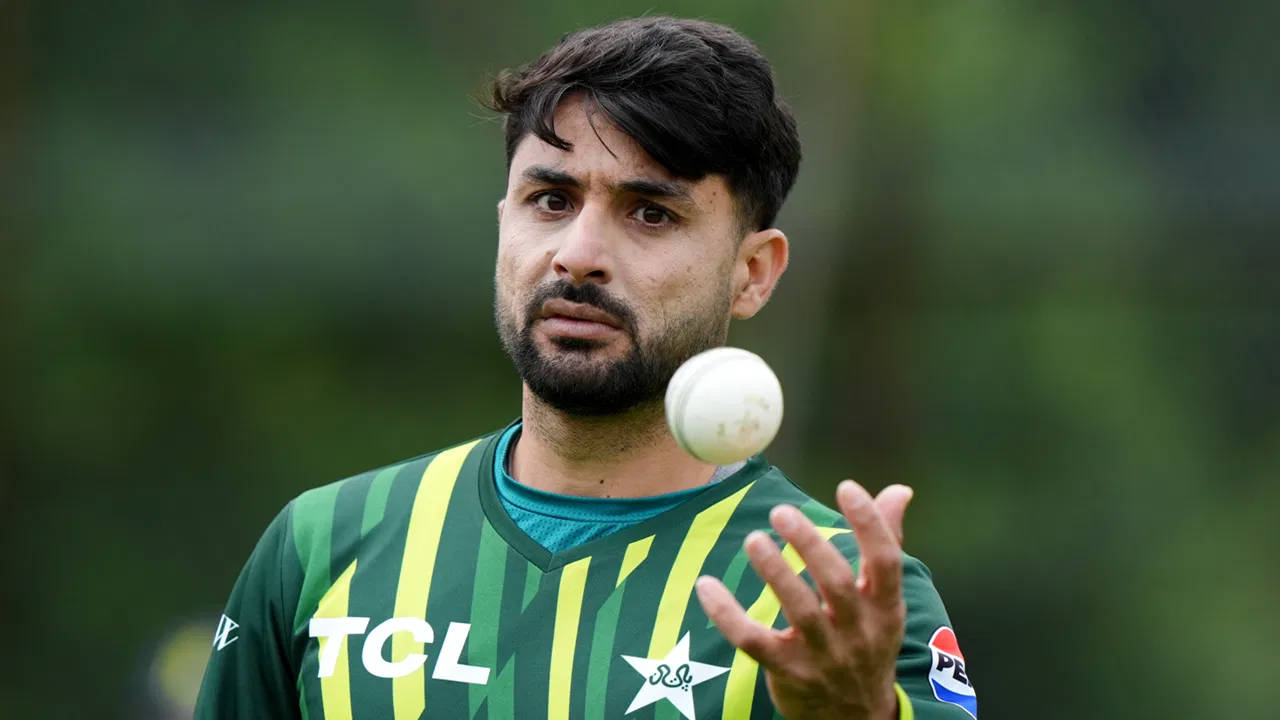
The controversy over Sunrisers Leeds hiring the services of Pakistani bowler Abrar Ahmed is generating a lot of heat and dust. It may be recalled that a few days ago, the mystery bowler from across the border was bought to play for Sunrisers Leeds in The Hundred cricket tournament which is to begin from July 21. The inclusion of a Pakistani player in a team owned by an Indian entity (the Sunrisers Group) drew an angry response from many fans on social media.
But Kavya Maran, the owner of Sunrisers Leeds and Sunrisers Hyderabad (SRH), silenced critics after facing the backlash for including Abrar Ahmed. “This is my team. Who are you to question me?” she thundered. “I have bought one team in the IPL, Sunrisers Hyderabad, and another team in England’s The Hundred. I am aware that Pakistani players cannot play in the IPL because it is India’s league.”
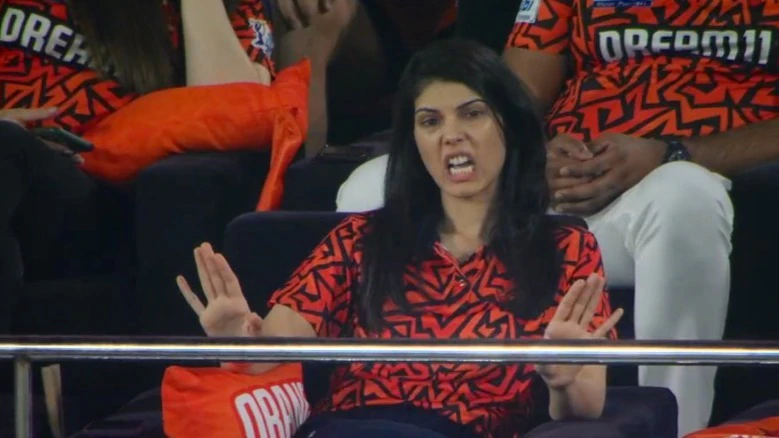
I have invested billions to buy these teams, and I will make decisions based on my own judgment and the benefit of my team, not on someone else’s pressure, said SRH owner Kavya Maran
“But The Hundred is England’s league. I will buy whichever player I want. It is my decision. Why would I purchase Abrar Ahmed and then remove him just because some people demand it? I have invested billions to buy these teams, and I will make decisions based on my own judgment and the benefit of my team, not on someone else’s pressure,” said the feisty young woman.
Gavaskar adds fuel to the Abrar fire
However, the legendary Sunil Gavaskar, one of India’s greatest batsmen, added fuel to the fire when he put forth his own opinion on the matter. Gavaskar alleged that the signing of the Pakistani spinner, by an Indian-owned franchise, might indirectly contribute to the deaths of Indian soldiers and civilians. The payments to Pakistani players would certainly be taxed and then the money may be used to buy arms and ammunition.
https://x.com/ccricket713/status/2033548429884883009?s=20
The former India captain launched a blistering attack in his column for the Mid-Day newspaper. “The fees that they pay to a Pakistani player, who then pays income tax to his government, which buys arms and weapons, indirectly contributes to the deaths of Indian soldiers and civilians. Whether it is an Indian entity or an overseas subsidiary that is making the payment, if the owner is Indian then he or she is contributing to the Indian casualties.” These comments were widely reported by the world media including Al Jazeera.
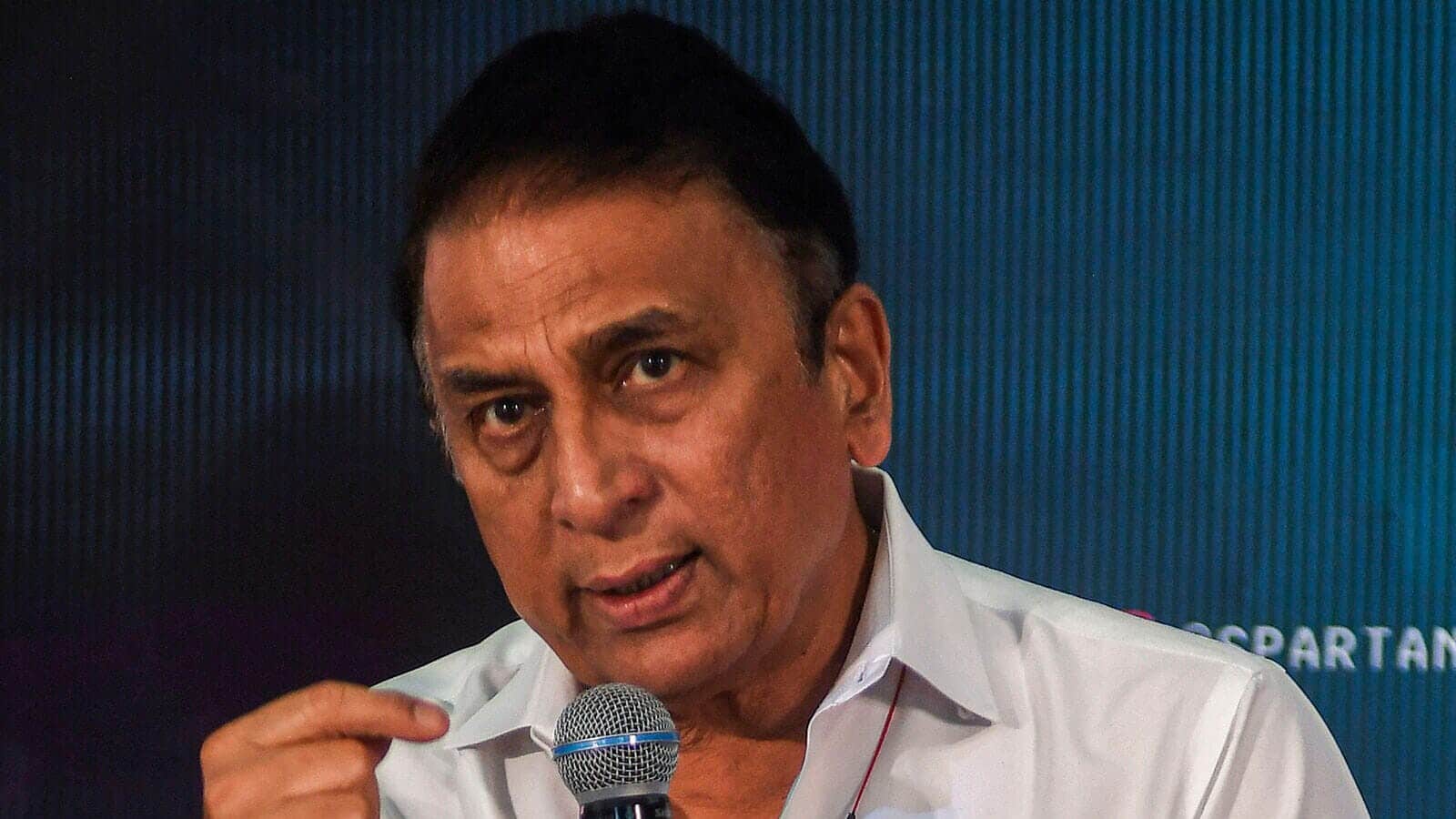
The issue raised by Sunil Gavaskar has to be examined thoroughly and a sound, satisfactory decision should be taken about it. Because this may not be a one-off incident. More such situations may arise in future as cricket expands and takes on different avatars in various formats
Lalit Modi too fishes in troubled waters
There are others too, who are trying to fish in troubled waters. Former BCCI official Lalit Modi, who was instrumental in making the IPL a roaring success and who is currently living in the UK as a fugitive of Indian law, created a post on X offering his advice. He wrote that spending crores on a Pakistani player at such a sensitive time was not a smart move. He offered to help Kavya Maran to deal with the situation.
https://x.com/Cricsam01/status/2034132347252248995?s=20
While the allegation and opinion of Sunil Gavaskar may not be totally off the mark, it also gives rise to another question. Which is: if it is the case that Pakistani cricketer’s taxes may be used to fund buying of arms and ammunition, then why does India play against Pakistan in ICC tournaments? The Pakistani cricketers receive payments for those matches too and the same thing happens. So, too is the case with commentators from Pakistan who cover ICC matches.
Why play Pakistan in ICC tournaments?
Indian players not shaking hands with their rivals is only a symbolic gesture. It is only for a display before the public. The real scenario does not change in the least bit whether hands are shaken or not. For participating in the matches, both Indian and Pakistani players are paid. Gavaskar’s fears, if true, hold good in these ICC matches too.
Kavya caught in the eye of Abrar storm, calls arise to boycott Sunrisers Hyderabad games
So, Sunil Gavaskar (and those who favour this line of thought), should raise this question before the BCCI. Gavaskar should question Indian cricket’s governing body about why cricket matches are allowed to take place between India and Pakistan. Why is Pakistan not being boycotted totally?
Is it because of the money factor? Every India-Pak match fills the coffers of the BCCI, the television channels and the sponsors. Players too, gain handsome amounts. So, no action is taken when the two teams play against each other. The controversy is not even discussed.
But when an individual IPL franchise takes a decision to include a Pakistani player, then suddenly this matter becomes a hot topic. It is easy to target one private group but far more difficult to take aim at the BCCI behemoth which has the support of bigwigs in the Indian government. Several ministers are a part of the BCCI.
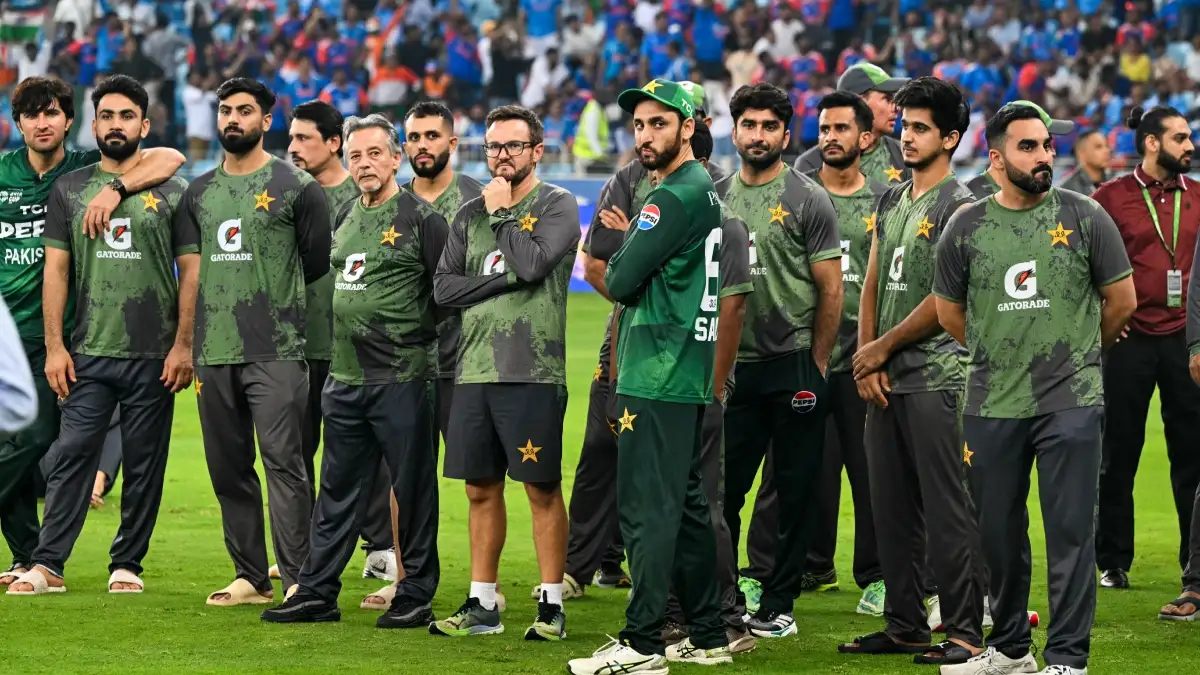
Why is Pakistan not being boycotted totally? Is it because of the money factor? Every India-Pak match fills the coffers of the BCCI, the television channels and the sponsors. Players too, gain handsome amounts. So, no action is taken when the two teams play against each other. The controversy is not even discussed
Issue must be examined minutely
The issue raised by Gavaskar has to be examined thoroughly and a sound, satisfactory decision should be taken about it. Because this may not be a one-off incident. More such situations may arise in future as cricket expands and takes on different avatars in various formats.
While such cross-border signings are common in global leagues (a prime example being European football), the present move by Sunrisers has sparked a backlash because of the sensitive political relations between India and Pakistan. Social media saw calls to boycott Sunrisers Hyderabad, with some fans expressing disappointment and questioning the franchise’s national loyalty.
The episode highlights the growing interplay between sport, business, and geopolitics. In the coming years, as leagues expand internationally, franchise owners will increasingly face a plethora of problems. These are not just for sporting decisions but also for the broader implications, reflecting the emotional and nationalistic stakes attached to cricket in India.
Cricket is changing, traditions are no longer upheld
The traditional thinking used to be that cricket and politics should remain separate. But the first big change came in 1970 when South Africa was expelled from the IOC for its apartheid policy. Now, more than half a century later, the separation of sport and politics is rarely sustainable. Situations where the ideals of sport collide with political attitudes, are increasing. People who run the game and the players themselves have to repeatedly confront circumstances when they have to tackle uncomfortable realities of life.
However, one cannot go into the IPL under the threat of a boycott or even crowd violence. Former Aussie captain Ricky Ponting said recently that the IPL has played a major role in shaping India’s T20 success. He said that IPL matches are as intense as international games and help prepare players for the national team. That being the case, the sooner this ongoing problem is solved to everyone’s satisfaction, the better it will be for Indian cricket.