Exclusive
Two tickets denied in 1983: Salve’s salvo turned India into epicentre of world cricket

It was a matter of just two tickets sought by then BCCI president NKP Salve for the 1983 World Cup final between India and West Indies, but a Marylebone Cricket Club (MCC) official’s snobbish attitude led to the brown revolution which changed the dynamics of world cricket forever. One cannot mess with an Indian and that too with a Congressman and get away with it. In a silent revolution, Salve set in motion the process which slowly but surely decimated the white man’s hold on the ‘Gentleman’s Game’.
For many decades, cricketers from India, along with players from other nations across the world, used to dream of playing for the English counties during the cricket season in England. Some famous Indian players played for different counties. Ranjitsinhji, his nephew Duleepsinhji, Iftikhar Ali Khan Pataudi and his son Mansur Ali Khan, all captained Sussex during the course of their careers in county cricket.

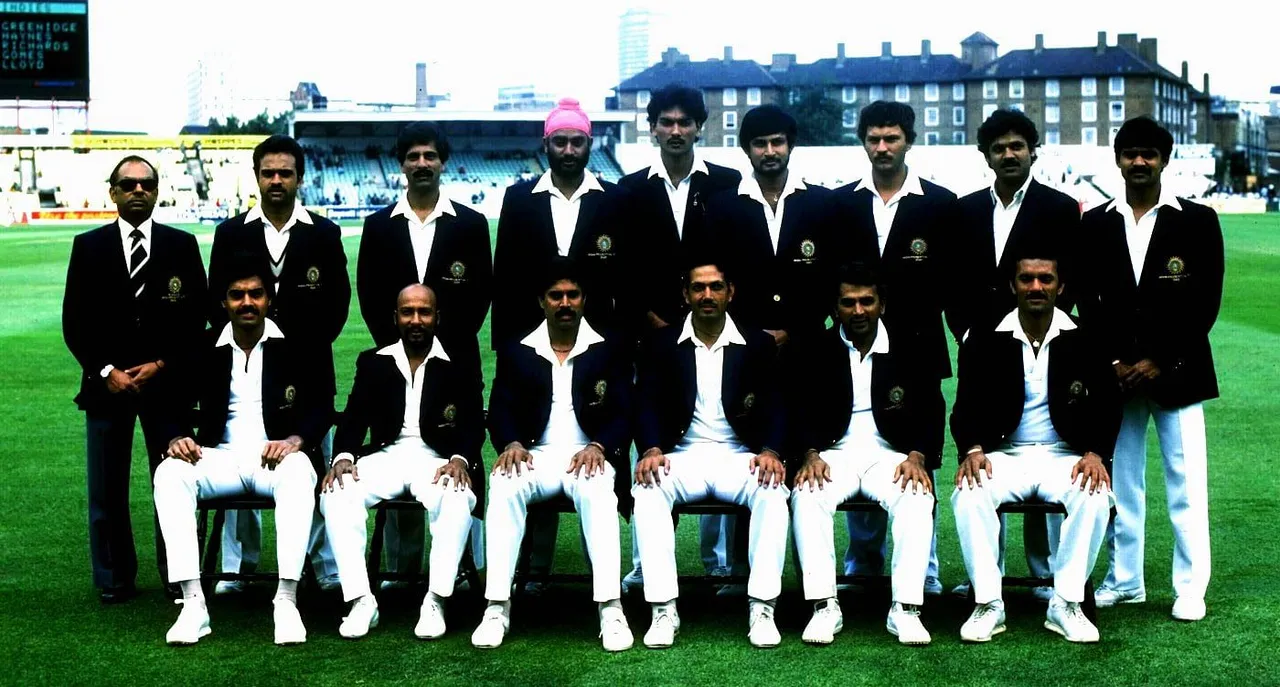
The Indian team which won the 1983 world Cup. Hyderabad’s P R Man Singh (standing extreme left) was the manager of the team
Farokh Engineer, Bishan Singh Bedi, Sunil Gavaskar, Sachin Tendulkar and Kapil Dev represented various teams. In more recent times, Cheteshwar Pujara, Ishant Sharma, Jaydev Unadkat and Piyush Sharma have played county cricket.
The reasons for these overseas players to join the English county cricket circuit ranged from career development to financial earnings. For many decades, the English domestic season was the only major window for professional cricketers to earn a lucrative income during the English summer.
IPL is now the most important cricket event
But now the wheel of fortune has come around in a full circle. Nowadays players from all over the world flock to India to play in the IPL. More than 100 foreign players are taking part in the IPL 2026. Notable stars include Cameron Green, Travis Head, Finn Allen, Jacob Duffy, Jofra Archer, Phil Salt, Kagiso Rabada, Aiden Markram, Jason Holder and others.
All eyes are now centered on Indian soil because the world’s most expensive and extravagant cricket league is in progress. There is no doubt that India is now the epicentre of world cricket.
How the transformation happened
But how did this transformation come about? How did a nation that was deemed poor and underdeveloped a few decades ago, become the most dominant force in the cricket world? To get an answer to that question, we must go back by about 43 years. Something happened during the 1983 Prudential World Cup championship that dramatically altered the power scenario in world cricket.

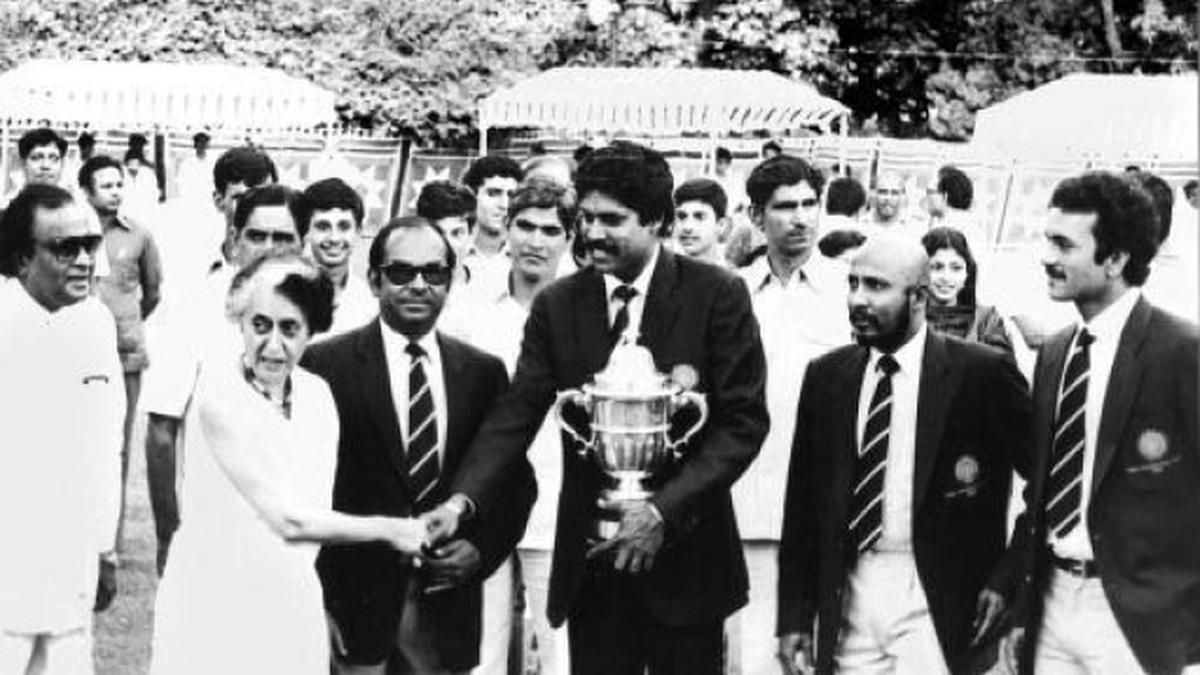
Union minister and BCCI president NKP Salve and the Indian team with the then Prime Minister Indira Gandhi. Pic: The Hindu
1983 was the year that India won the World Cup and a lot happened during and after that. Well-known senior politician Siddhartha Shankar Ray, who had served as chief minister of West Bengal, was a Union minister as well as an ambassador. He was visiting London with his wife when the World Cup was in progress. Wishing to watch the Indian team in action, Ray got in touch with fellow minister Salve, who was also the president of the Board of Control for Cricket in India (BCCI) at that time. Ray asked Salve (who was already in London), if two tickets could be arranged for him and his wife to watch the game.
Salve outraged when MCC denied his request
Ray had been the captain of Kolkata’s famous Presidency College’s cricket team when he was a student. He was a cricket lover and wanted to see the action live. India’s match against the West Indies was an event that he did not want to miss.
So, Salve sent BCCI secretary A W Kanmadikar to ask the MCC official concerned for two extra tickets on the final day. Salve was sure that the request would be granted. In India such courtesy to a visiting dignitary is never denied.

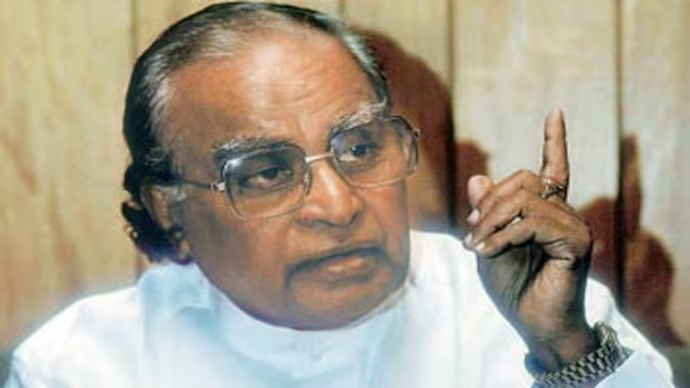
NKP Salve vowed to change the script
But to Salve’s shock and dismay, he found that Kanmadikar returned empty handed. When Kanmadikar described the manner in which his polite request had been dismissed by the officials at Lords, Salve was outraged. Later he said in an interview: “I realised that even if India reaches the top in the game, off the field we will be treated in a shabby manner. In the politics of cricket, we would still be minnows.”
Salve vowed to change the script
From that day Salve decided to change the script. He decided that he would show his own power during the next World Cup. The minister began to lay his plans for hosting the next edition of the World Cup on Indian soil. The day after India had lifted the trophy, Salve invited the players, his friends and several top cricket officials for a celebratory lunch.
https://x.com/DelhiCapitals/status/1276009725214126081?s=20
One of the people he invited was Air Marshal Nur Khan of Pakistan who was then the president of the Board of Control for Cricket in Pakistan (then called BCCP but now known as PCB). During the course of the conversation with Nur Khan, Salve broached the topic of hosting the next edition of the World Cup within the Indian subcontinent.
Pak and Sri Lankan officials enthusiastic
The Air Marshal responded with great enthusiasm. Gamini Dessanayake, president of the Sri Lankan board and who was among the luncheon invitees, was also thrilled with the idea when he was told about it.
But the group needed the support of as many countries as possible, so the associate nations Hong Kong, Singapore and Malaysia were roped in. The West Indians were wooed during a tour of India in 1983-84 when Allan Rae, the president of the West Indies Cricket Board, was convinced into supporting the subcontinental effort.
India-Pakistan joint bid for 1987 WC
On the July 19, 1984, at the Lord’s ground, the ICC general body meeting was held. Here India and Pakistan jointly made a bid to host the next edition of the World Cup. The bid proposed a remuneration and prize money that were beyond the reach of England.
“Gentlemen, I have come prepared to answer all your questions. I have brought the balance sheet of the BCCI with me and every one of you can take a look at our financial standing,” thundered Salve at the meeting.
Air Marshal Nur Khan did the same. The two of them left no stone unturned and when the vote was held, the Indo-Pak proposal pipped England by 16-12.
First time WC hosted outside England
So, in 1987, the next World Cup was successfully hosted by India and Pakistan. It was the first time that the event was held outside England. Reliance Industries came forward to sponsor it. Dhirubhai Ambani’s backing was a huge advantage and so the trophy was named the Reliance World Cup.

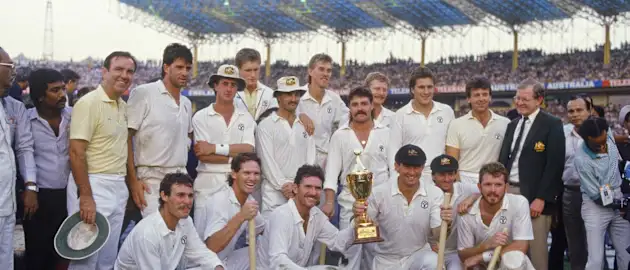
Australia won the 1987 World Cup hosted by India and Pakistan. Pic: ICC
Instead of Lord’s, the grand final match was held at the equally majestic Eden Gardens ground in Kolkata. The two host nations, India and Pakistan, lost their matches in the semifinals but perhaps quite fittingly, England lost the final match to Australia.
Ajit Wadekar: The Skipper Who Launched India’s Golden Cricket Era
After that successful hosting coup, gradually India emerged as the heart of world cricket. Nowadays players from all over the world are eager to play in the lucrative IPL tournament. India is the fulcrum where the big sponsors are present and the game generates unimaginable sums of money every year.
Dalmia’s vision revolutionised Indian cricket
Able administrators like Madhav Rao Scindia, I S Bindra, Raj Singh Dungarpur and Jagmohan Dalmia ensured that India reached the highest levels.
Dalmiya revolutionized Indian cricket by turning the BCCI into the world’s richest cricket board. He pioneered the commercialization of cricket in India, securing massive TV rights revenue for home events. In 1993, he broke Doordarshan’s monopoly, pioneering television rights deals that brought financial independence to the BCCI.

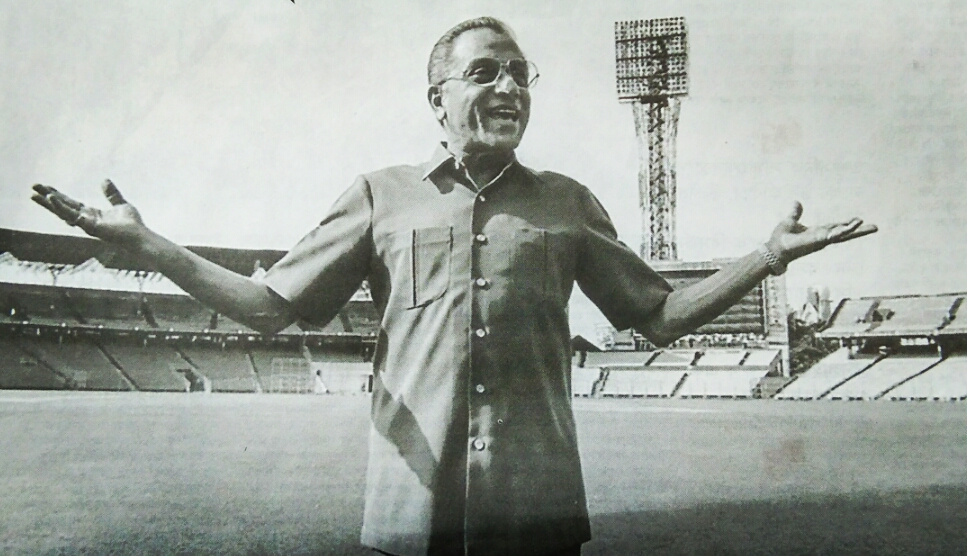
Lord of all I survey: Jagmohan Dalmiya shattered the stranglehold of England and Australia upon the ICC
Dalmia also shattered the influence of England and Australia upon the ICC, by becoming the first Asian president of the body in 1997. Thereby the balance of cricket power shifted to the Indian subcontinent.
Increase in fan following led to IPL
The fans played a big role too, by flocking to the grounds in large numbers. Millions also watched cricket on television. This brought in a flood of sponsors and thus the IPL was born in 2008 and a lot of credit for its success should go to the shrewd Lalit Modi.
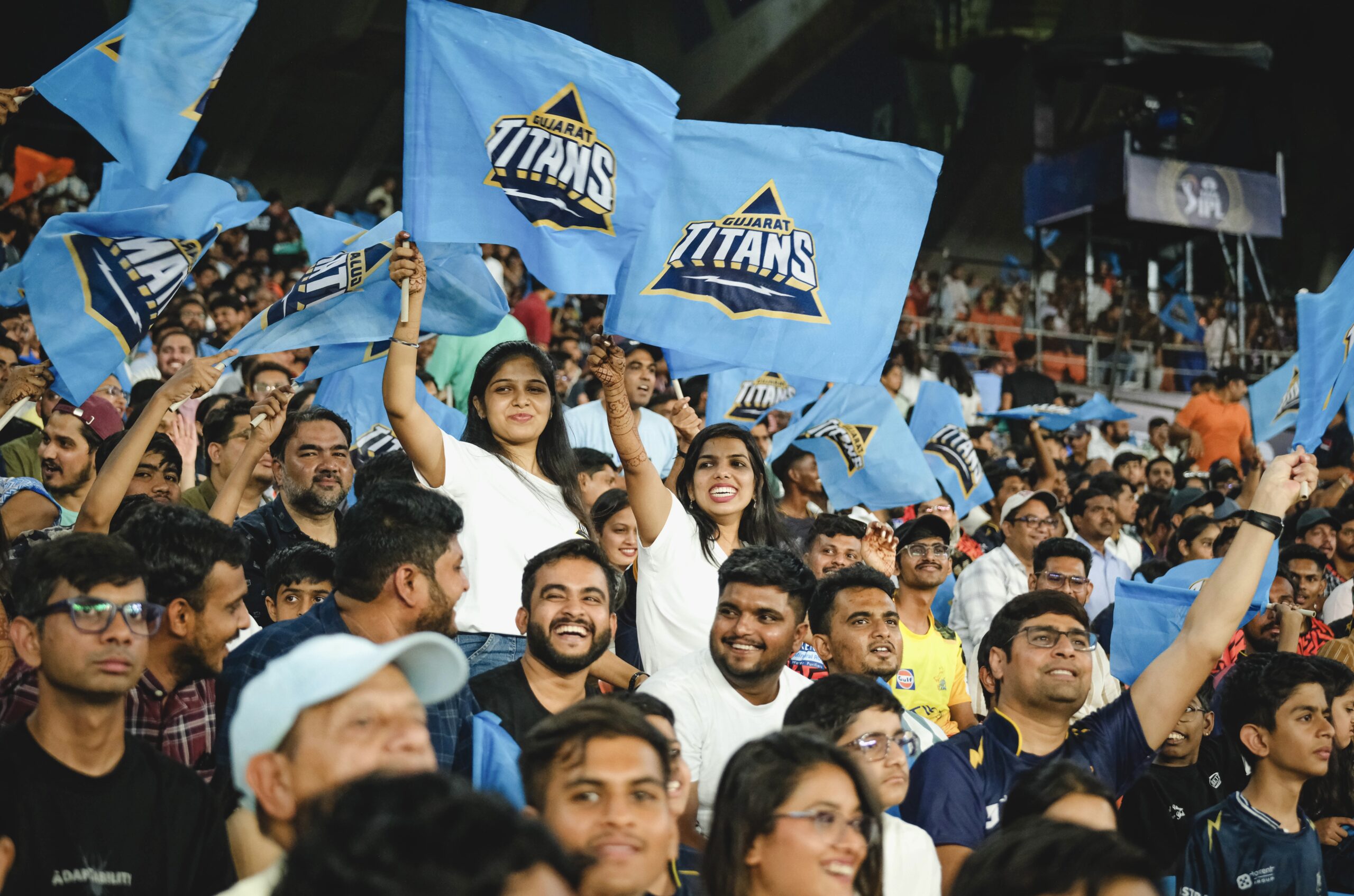

The precursor to the IPL was the Indian Cricket League (ICL) which was a short-lived cricket league that ran from 2007 to 2009. It was sponsored by Subhash Chandra’s Zee Entertainment Enterprises. The ICL had two seasons, featuring four international teams and nine domestic teams from India, Pakistan and Bangladesh. ICL faced significant opposition from the BCCI, who had banned several players who turned out for the ICL. In retaliation, the BCCI launched the IPL in 2008 and the rest is history.
IPL is cultural phenomenon
Today, the IPL is the most popular and richest cricket league in the world and the 11th richest sporting league in the world by revenue. It has an exclusive window in the Future Tours Programme of the ICC. It is a mix of Bollywood, glamour and cricket and also provides a platform where young Indian players can shine alongside the international superstars.

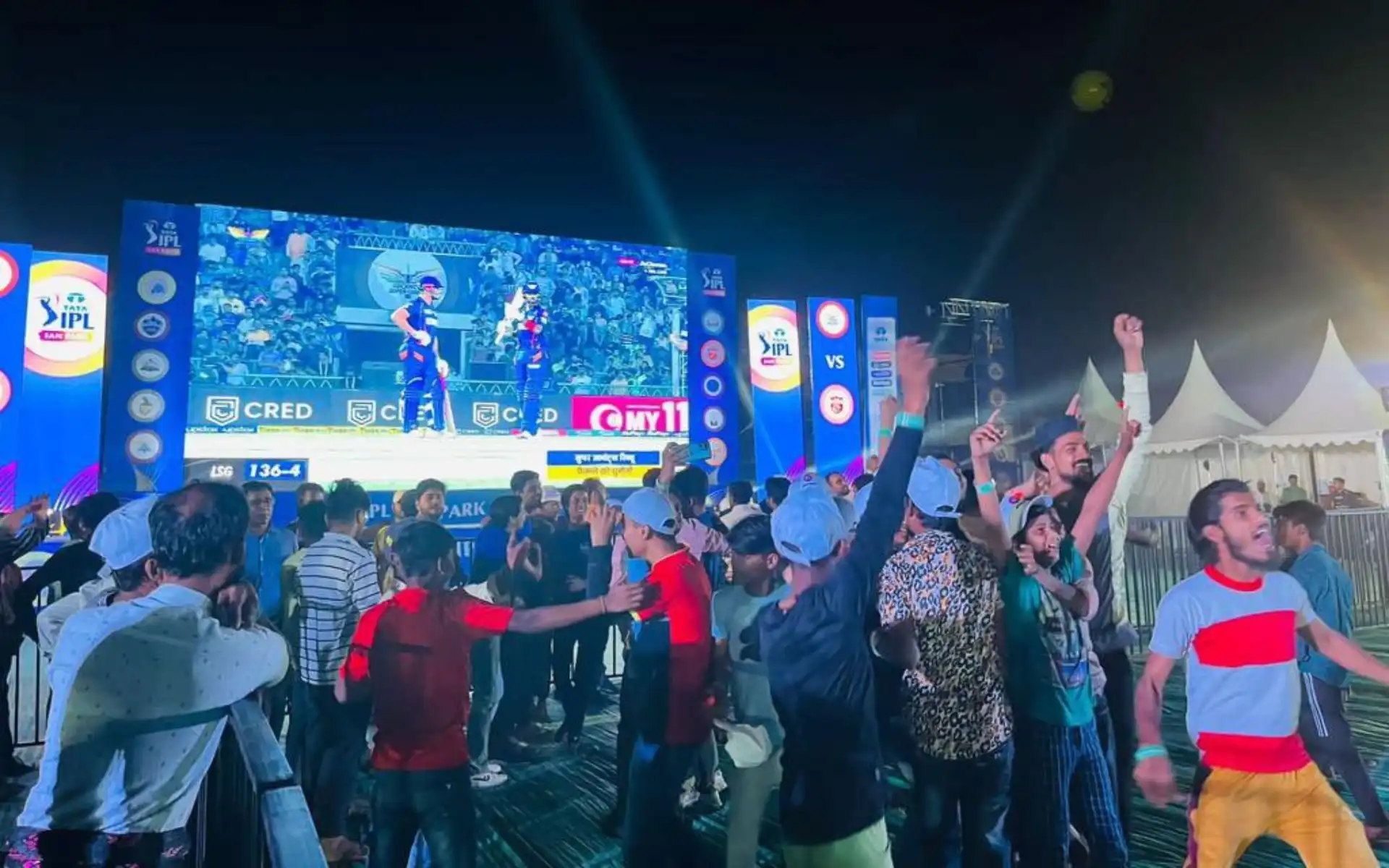
The IPL has become a cultural phenomenon that is embedded in India’s daily life, with high television viewership (reaching up to 50 percent of households) and it creates a festive atmosphere throughout the nation. Nowadays watching the IPL is a craze like the serials Hum Log or Buniyad were at one time. It is by far the most viewed Indian sports event and it seems unlikely to lose its preeminent status in the future.