Published: June 18, 2026 at 10:24 am
In the evolving world of sports and recreation, no sport has grown as swiftly and as unexpectedly as pickleball. What began as a backyard family pastime in the United States has now turned into a favourite pastime for young and old alike all over the world.
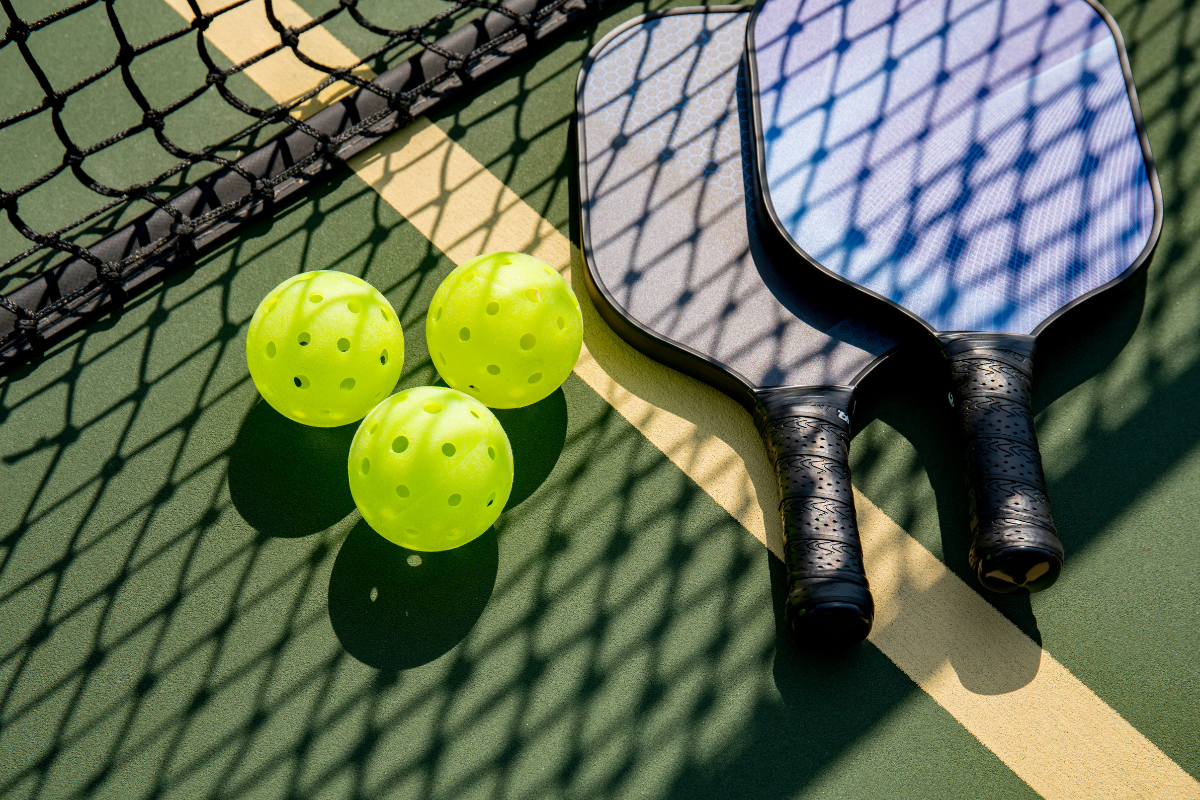
Pickleball is a paddle sport that blends elements of tennis, badminton, and table tennis and is played on a badminton sized court with a low net. Players use solid paddles and a perforated plastic ball. A game can be played by duos as well as singles. The sport is known for its easy learning curve, making it appealing to younger as well as older players.
Gia wins two gold and a bronze as Telangana dominate 2nd South Zone Pickleball meet
Its appeal lies in its accessibility. Pickleball requires less space and equipment, and due to comparatively less ball speed, it leads to less physical strain. Whether it is an office employee looking for ways to reduce stress, a teenager seeking a new competitive outlet or a retiree wanting to stay active, pickleball offers something for everyone.
According to reports, pickleball has evolved into a massive sporting phenomenon and a rapidly expanding business in India, with the active player base surging past 250,000. Driven by the sport’s low entry barrier, social-fitness appeal, and compact infrastructure requirements, India now boasts over 2,500 dedicated courts spread across urban metros and small towns.

Driven by the sport’s low entry barrier, social-fitness appeal, and compact infrastructure requirements, India now boasts over 2,500 dedicated courts spread across urban metros and small towns
The domestic rise of the sport has transitioned from casual weekend recreation into a highly competitive professional ecosystem.
Pickleball has exploded in popularity, but with its rapid rise comes a hidden burden on the human body. The sport itself isn’t inherently bad for you; rather, how you approach and play the game determines whether you will enjoy years of healthy competition or find yourself sidelined with an injury within months.
DRC Sports Foundation thrash TRP Pickleball Club 6-0, storm into semis of HPL Club League
Tennis coach DRC Kiron, who is an ITF Level-2 coach and also a Professional Pickleball Registry (PPR) Level-1 coach, speaks of the hidden physical demands of pickleball, which most newcomers to the sport neglect.
Hidden physical demands of pickleball
Many players underestimate the athletic strain of pickleball. Every single session places an intense, “real load” on your joints due to the specific, explosive mechanics of the game.
High-velocity dynamics: It is an explosive sport requiring rapid, sudden bursts of energy.
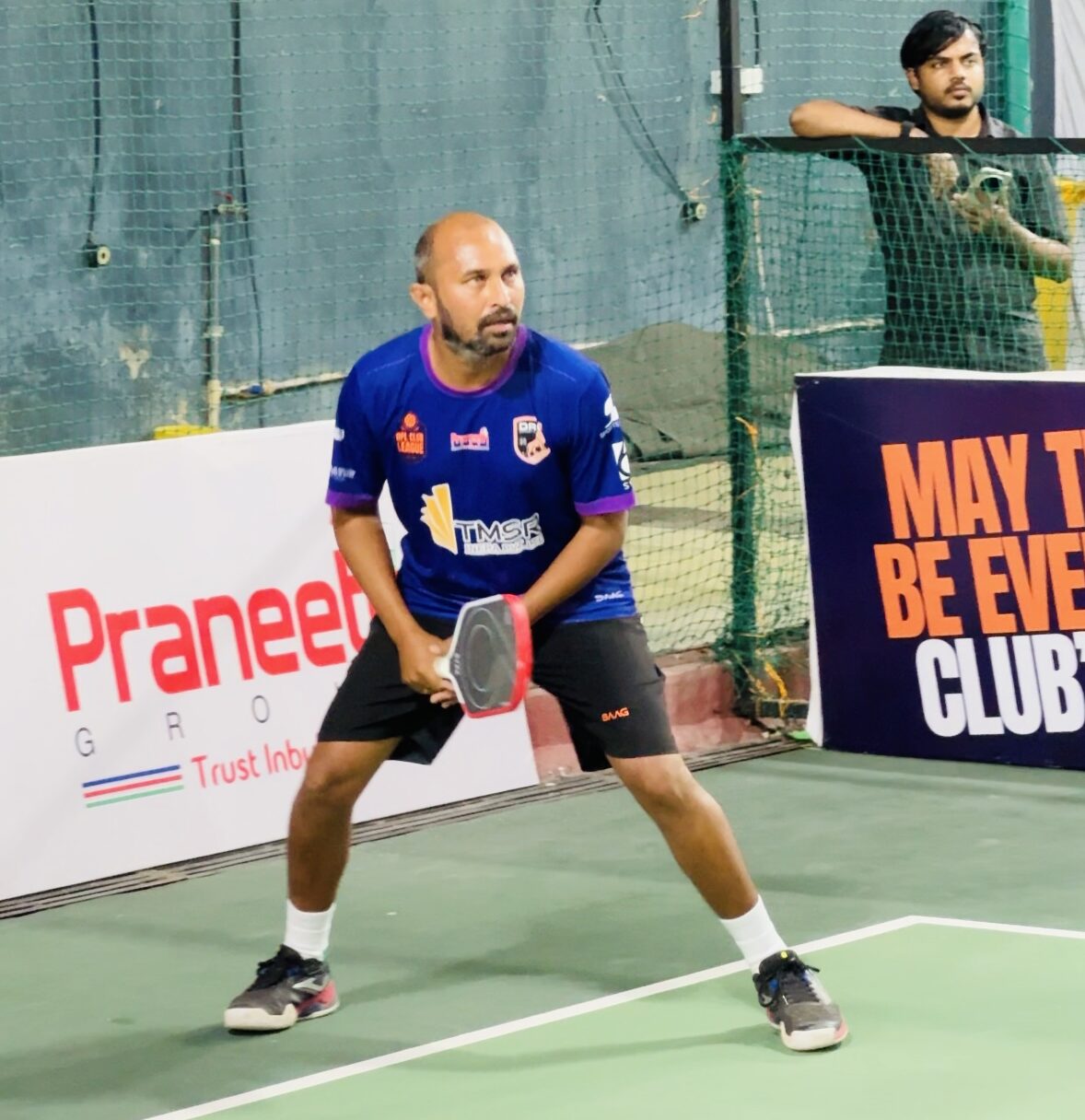
When players treat pickleball as a casual, low-impact hobby, they inadvertently create a perfect storm for joint damage, says Kiron
Extreme agility requirements: Players must constantly adapt to quick direction changes and continuous lateral (side-to-side) movements.
Deep joint loading: The game demands frequent, low squats to return low-bouncing balls, which puts significant pressure on the knees and hips.
The recipe for injury: What most players do wrong?
When players treat pickleball as a casual, low-impact hobby, they inadvertently create a perfect storm for joint damage. Four critical mistakes that spell disaster:
Skipping the warm-up before stepping onto the court.
Wearing the wrong footwear.
Playing on unyielding, hard concrete courts.
Omitting a cool-down routine after the match is over.
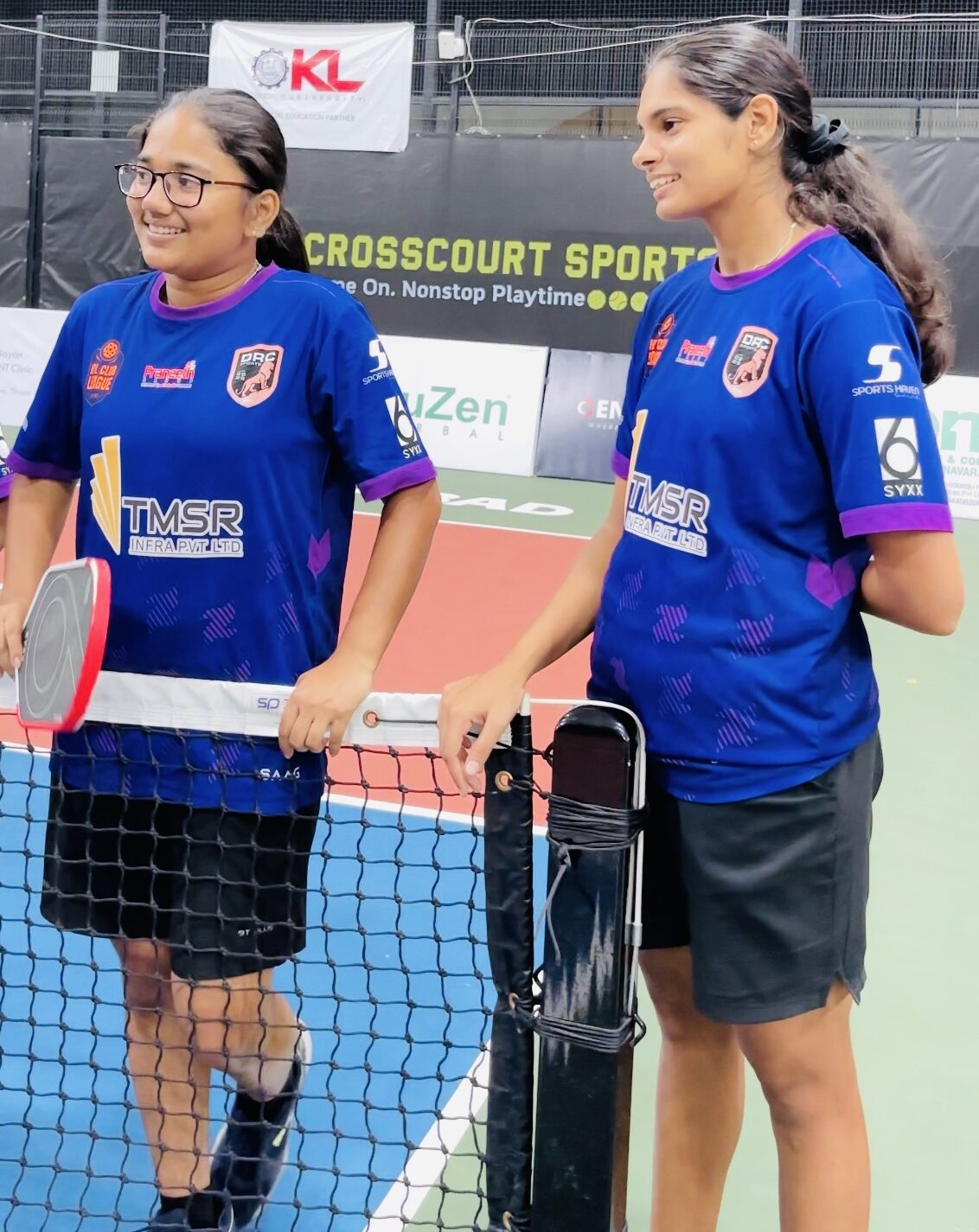
Pickleball can be a lifelong sport, but longevity requires respect for its physical demands
Failing to address these factors drastically accelerates wear and tear, forcing players off the court in a matter of months.
Four pillars of injury prevention
To ensure your body holds up for years of play, we outlined four non-negotiable habits that every player must adopt.
The mandatory 10-minute warm-up
A warm-up is not optional. Before hitting your first ball, spend at least 10 minutes priming your muscles and joints for explosive movement. This increases blood flow, improves flexibility, and prepares your nervous system for rapid direction changes.
Invest in true court shoes
Your choice of footwear is paramount. You must wear proper court shoes specifically designed to handle lateral movement.
Do not wear running shoes or general trainers.
Running shoes are built exclusively for forward, heel-to-toe motion and lack the lateral stability needed for pickleball, which drastically increases the risk of rolled ankles and joint strain.
Seek cushioned surfaces
The ground you play on matters. Over time, unyielding concrete is brutal on your lower back, knees, and ankles. Whenever possible, choose to play on cushioned surfaces or specialized court coatings that absorb shock rather than transferring it directly into your joints.
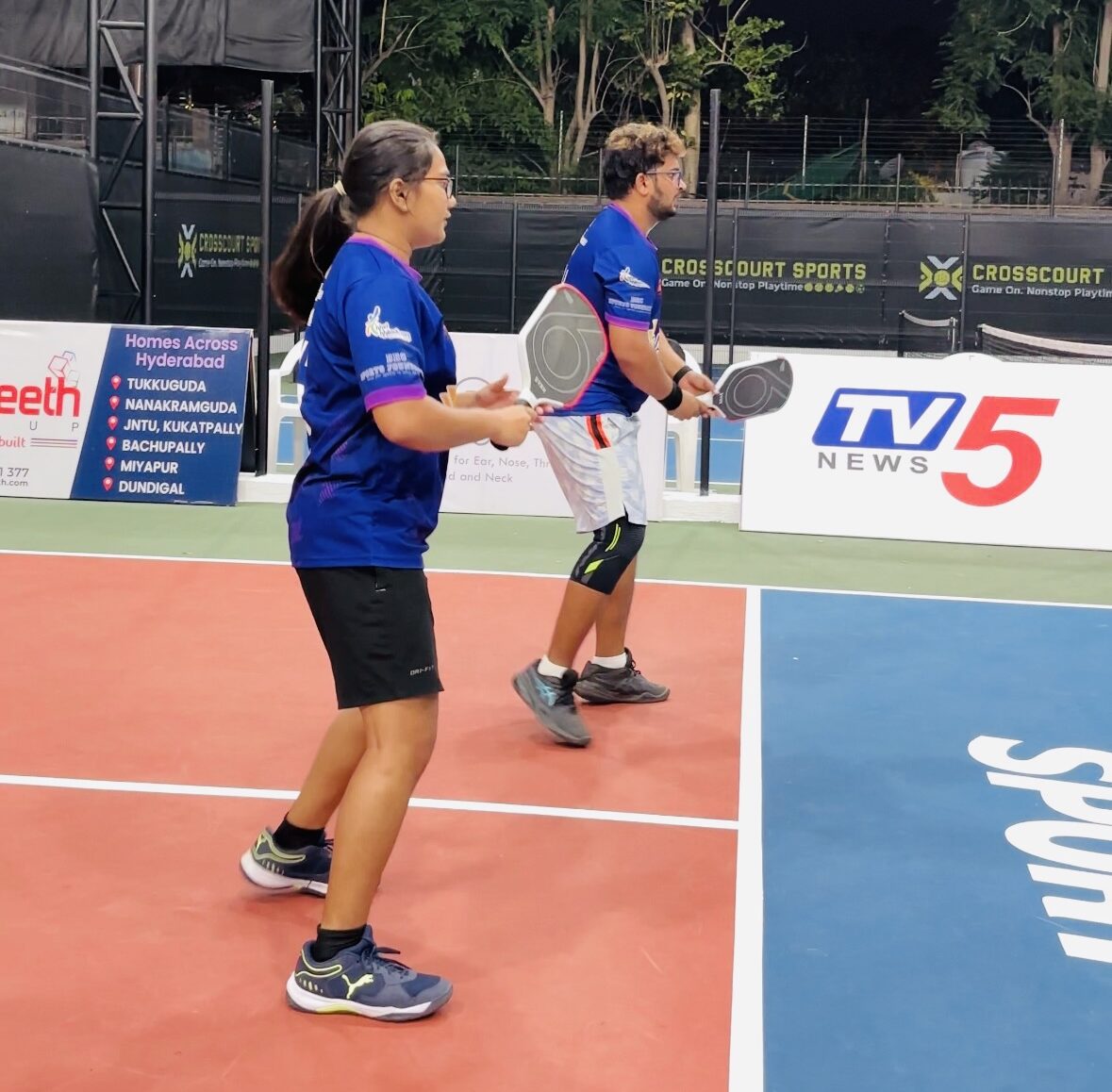
Your choice of footwear is paramount. You must wear proper court shoes specifically designed to handle lateral movement, asserts Kiron
Commit to the cool-down
Your session isn’t over when the final point is scored. You must dedicate time to cool down and stretch after every single session. Post-game stretching flushes out metabolic waste, relaxes tight muscles, and kickstarts the recovery process so you are ready for the next game.
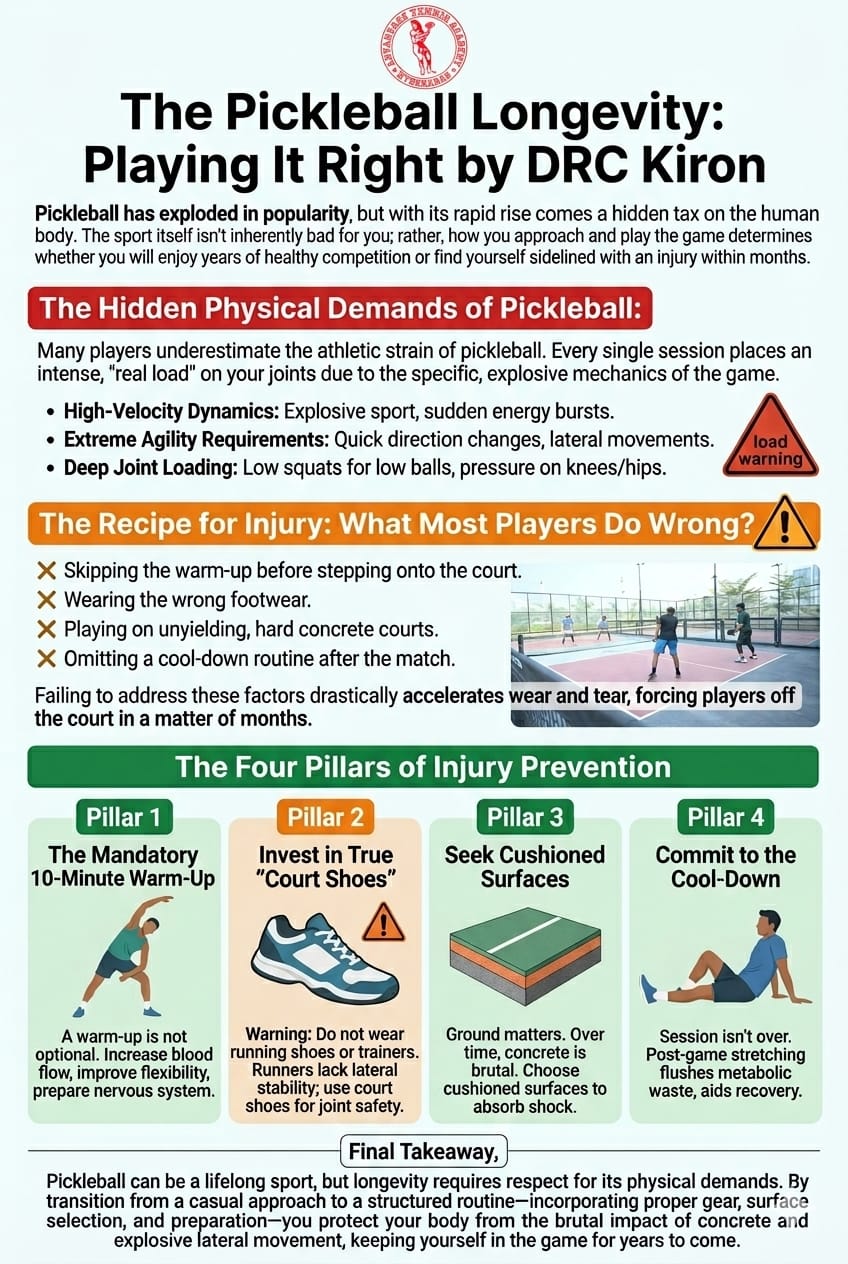
Final takeaway
“Pickleball can be a lifelong sport, but longevity requires respect for its physical demands. By transition from a casual approach to a structured routine – incorporating proper gear, surface selection, and preparation – you protect your body from the brutal impact of concrete and explosive lateral movement, keeping yourself in the game for years to come,” adds Kiron.