Published: June 11, 2026 at 8:18 pm
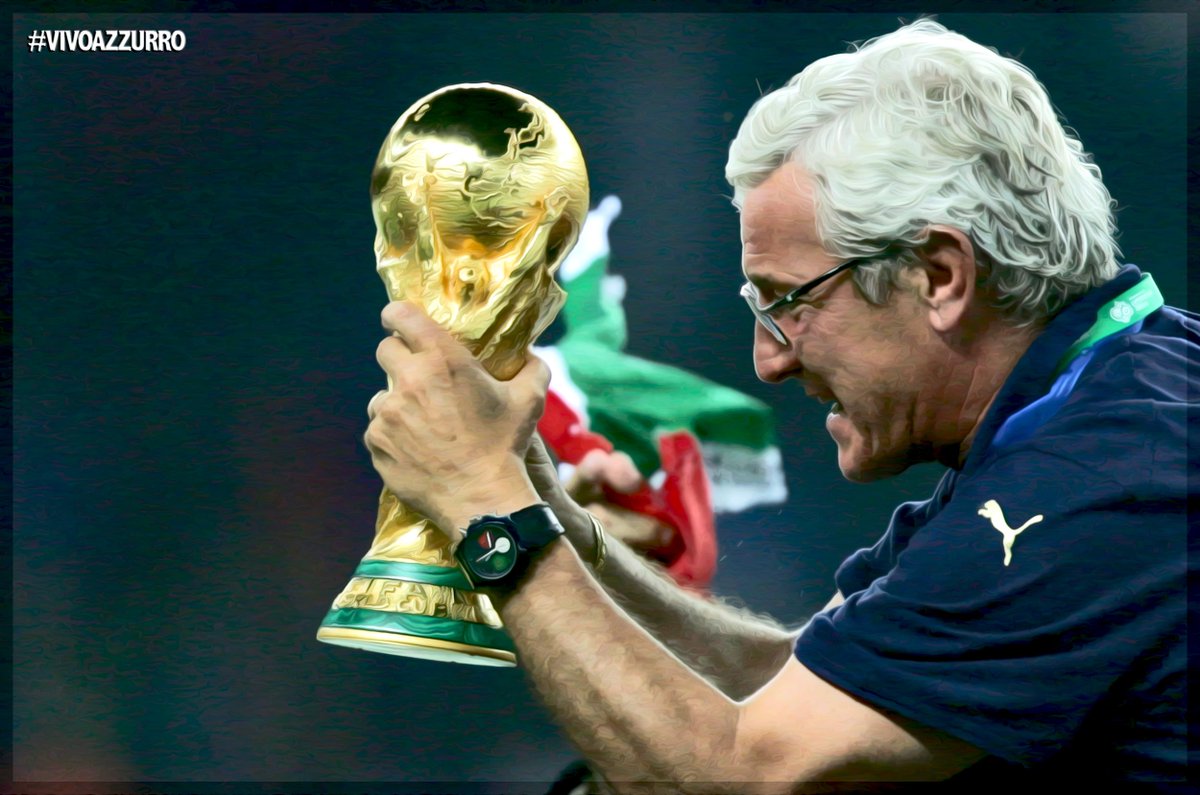
Legendary Italian coach Marcello Lippi once said: “Give me four good defenders and I will give you any trophy in the world.”
Lippi knew what he was talking about. He took Italy to victory in the 2006 FIFA World Cup. During his career as a manager and coach, he won one World Cup, one UEFA Champions League, five Serie A titles, one Coppa Italia, four Italian Super Cups, one UEFA Super Cup and one Intercontinental Cup. Lippi was the first coach to win both the UEFA Champions League and the AFC Champions League. In 2007, The Times included Lippi in its list of the 50 best managers of all time.
High ticket prices and visa controversies create chaos before FIFA World Cup 2026
The first thing Lippi always did was select his defenders with great care. Defenders are the foundation of the team. A house raised on a weak foundation will soon collapse and nobody knew that better than Lippi. He himself played as a defender in Italian club football from 1969 to 1982 making 363 appearances on the pitch during his playing career.
Years later, when he was selected as the coach for Italy’s national squad before the 2006 World Cup, he chose a strong defence built around the unbreakable skipper Fabio Cannavaro. Others in the back line included players like Alessandro Nesta, Gianluca Zambrotta and Marco Matterazzi (the man who was head-butted by Zinedine Zidane in one of the most unforgettable incidents in World Cup history).
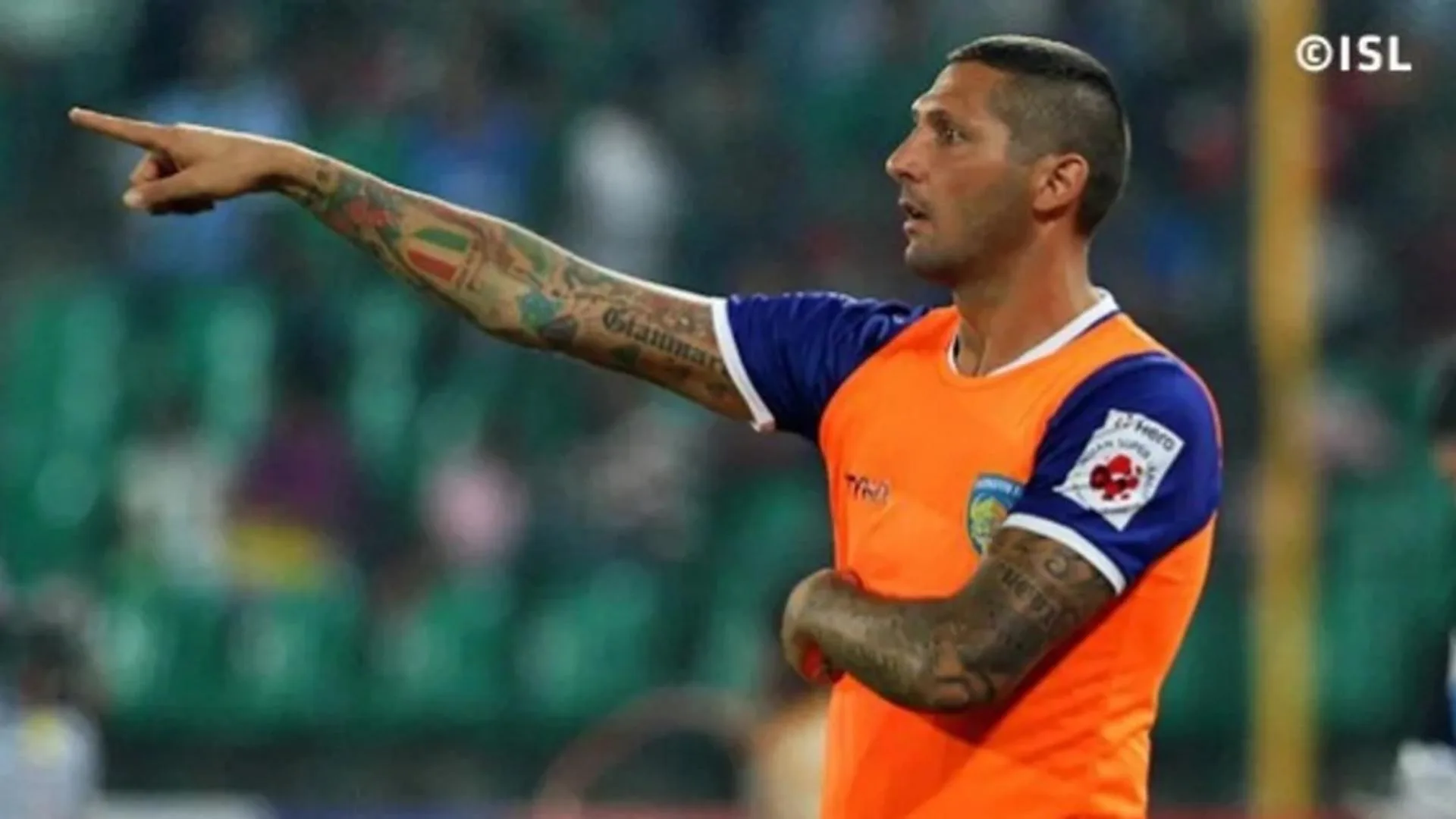
Italy’s Marco Materrazzi was a typical hard man. About 6 feet 4 inches tall, he also had a bag of tricks which often crossed the line of fair play. Pic: ISL
Even if rival forwards broke through this indestructible line, they would have to contend with Gianluigi Buffon, then regarded as the best goalie in the world. And don’t forget there was Andrea Pirlo in the midfield line. Armed with players of this calibre, it was no surprise that Italy emerged holding the trophy aloft. France put up a tough fight in the final which was eventually decided by a penalty shootout (5-3).
Defenders do unglamorous but essential work
To get back to the subject of defenders, a little background check will reveal that every winning team in previous World Cups (or any other tournament for that matter) had a great set of defenders. They are the ones who do all the hard work at the back. Their role rarely finds mention because they are not glamorous goal scorers. The focus is always on players who score the goals. The contribution of the defenders goes unnoticed.
https://x.com/La_DeCrypt/status/2064959969217118584?s=20
Some defenders are called the “hard men”. They are rough with their tackles and by using their height, strength and attitude, they try to intimidate the rival forwards. Italy’s Marco Materrazzi was a typical hard man. About 6 feet 4 inches tall, he also had a bag of tricks which often crossed the line of fair play. In his playing career, he was penalized with 120 yellow cards and 25 red cards as referees came down with heavy punishments for his rough and ready methods. No wonder Zinedine Zidane was provoked beyond control and slammed the tall Italian with his head.
Uncle of Rafael Nadal was called The Beast
Miguel Angel Nadal (uncle of tennis legend Rafael Nadal), was a footballer who played as a defender for Spain in 62 matches including three World Cups (1994, 1998 and 2002) and one Euro championship (1996). He was anything but an Angel. His methods were so rough that he was nicknamed The Beast. The Times newspaper placed him at number 47 in its list of the Hardest Men of Football.
England’s Moore and Italy’s Maldini were the best
But not all defenders rely on a physical game. There are some who are very clever and rely on brains instead of brawn. Former England captain Bobby Moore was one such player. It was said of Moore that he could sense what would happen at least two minutes before it really happened. His sixth sense gave him sufficient time to be at the right spot at the right time to thwart the rivals. He was like a chess player who anticipates moves and takes precautions.
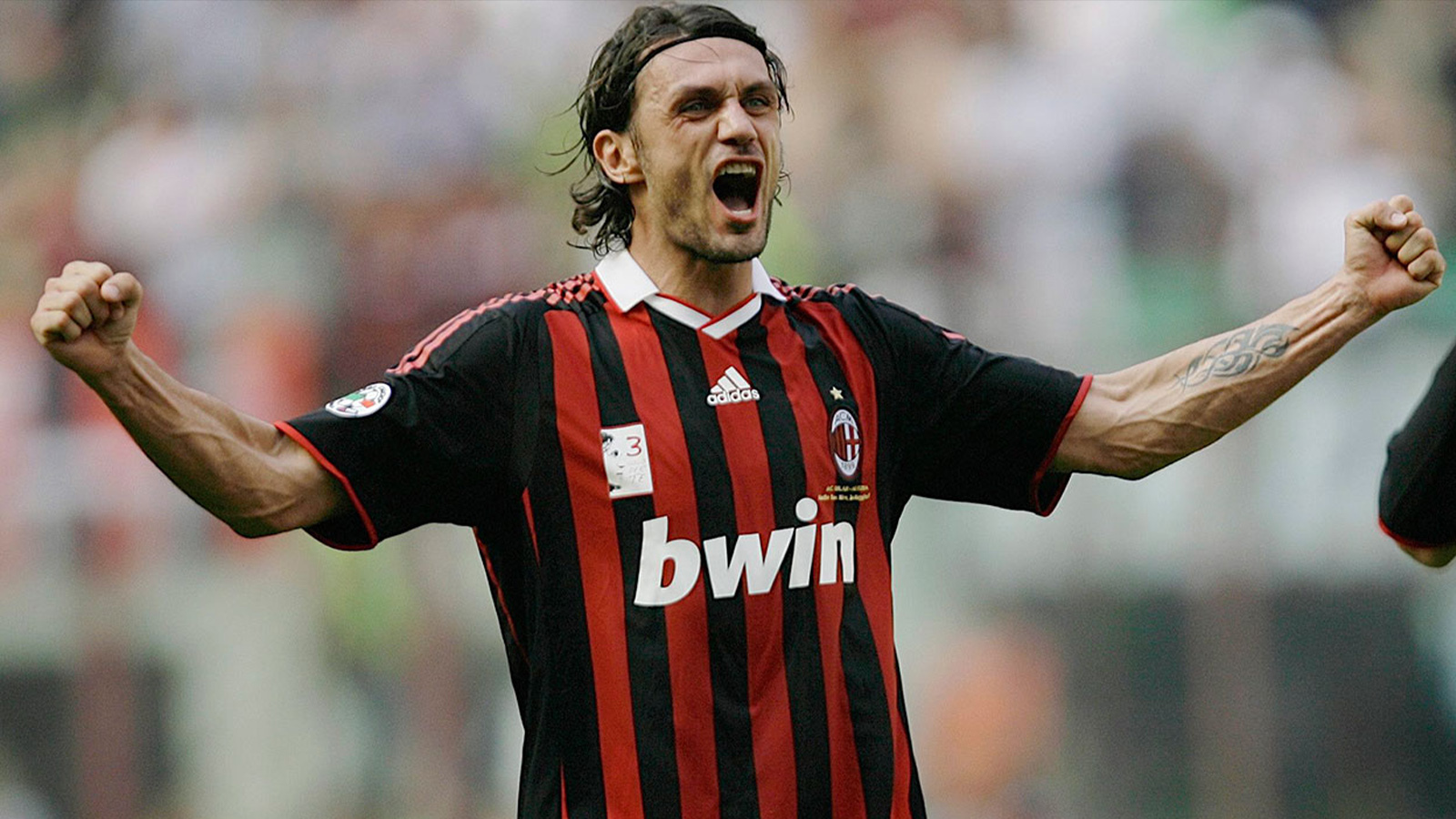
Legendary Italian defender Paulo Maldini was another superb defender. Maldini hardly ever committed a foul. His tackles were clean. He could slice the ball away from a rival as cleanly as a surgeon making a precise incision. Pic: 8lete
Legendary Italian defender Paulo Maldini was another superb defender. Maldini hardly ever committed a foul. His tackles were clean. He could slice the ball away from a rival as cleanly as a surgeon making a precise incision. Any coach would prefer a Maldini or a Moore over Materrazzi because the latter’s propensity for foul tackles often resulted in red cards and free kicks. Maldini and Franco Baresi made the Italian defense the best in the world.
Brazil captain Dunga’s amazing record
Brazil is historically known for having defenders who seemed more interested in scoring goals instead of doing their primary job of defending. But one of the exceptions was the famous captain Carlos Caetano Verri – better known in football circles by his nickname Dunga. In his childhood he had another nickname too – Dopey – after one of the seven dwarfs in the children’s fairytale Snow White. Dunga still holds two of the most remarkable records in FIFA World Cup history.
At the 1994 World Cup, the Brazil captain completed an astonishing 692 passes, the most ever recorded by a player in a single tournament. As if that wasn’t impressive enough, he also made 57 tackles, another all-time World Cup record for a single edition.
Like most good defenders, Dunga was often overshadowed by Brazil’s attacking stars, but he was the heartbeat of coach Carlos Alberto Parreira’s side. He controlled the tempo, broke up opposition attacks, organised the midfield and led by example. Every successful team needs a foundation, and Brazil’s foundation was built around their captain Dunga.
Another famous Brazilian defender we all know very well is Roberto Carlos. But he was a left wing back whose job was also to aid the attack. And because he scored amazing goals we remember him with awe. His powerful and curving free kicks left the world’s best goalies flat footed.
Interesting story about Brazil’s attitude towards defending
While on the subject of Brazil, there is one interesting incident that must be mentioned. In the 1982 World Cup, the format was such that the teams which emerged from their respective groups, would have to play a second-round league phase. Brazil and Italy clashed in this phase. Even a drawn game would see Brazil through to the semifinals on points.
The contest pitted Brazil’s world class attack manned by legends such as Zico, Socrates and Falcao against Italy’s unbreakable defence bolstered by Franco Baresi, Caludio Gentile, Gaetano Scirea and others. But Italy also had one of the most-fleet footed and opportunistic goal poachers in world football – namely Paulo Rossi.
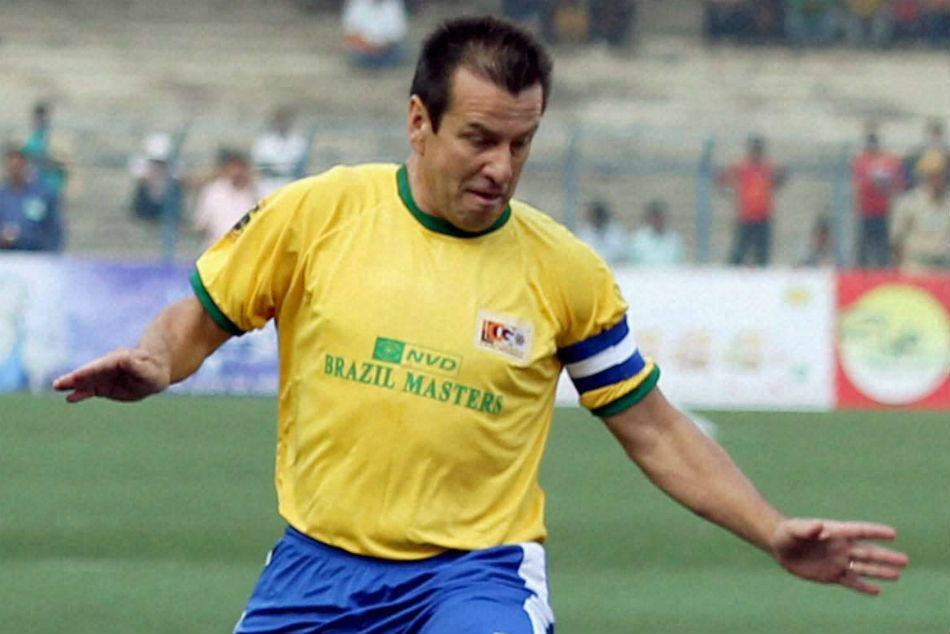
Like most good defenders, Dunga was often overshadowed by Brazil’s attacking stars, but he was the heartbeat of coach Carlos Alberto Parreira’s side. Pic: Mykhel.com
Rossi surprised everyone when he darted in to seize an opening and score a goal just 5 minutes after the start. But 7 minutes later, Brazil’s tall and lanky genius, Socrates, scored and it became 1-1. However, Rossi was not done yet. In the 25th minute he dodged his way through a lazy defence and banged home Italy’s second goal. But Brazil came back again when Falcao netted in the 68th minute.
At that stage , Brazil seemed like it was through for sure. The score was 2-2 and all Brazil had to do was sit back and end the match at that score. But to everyone’s surprise, Brazil kept attacking. Even the defenders came upfield leaving gaps in the crucial areas. And Brazil paid the price for the aggressive approach. Rossi squeezed through a gap and scored Italy’s third goal to pick up a hat-trick for himself and send Italy into the semifinal.
After the game had ended, the Brazilian media was livid with their coach Tele Santana. In one voice they roared at him: “Why did you not defend when the score was 2-2?” Santana’s reply astounded them but they understood his mentality. It was a typically Brazilian approach to the game. Santana thundered back: “We are Brazil! We are the world’s best. We do not defend. Others must defend against us.”
So that was Brazil. They believed that defending is below their dignity and high status in world football. Their traditional attacking flair expressed by Pele, Garrincha, Romario, Ronaldo, Ronaldinho and many others, thrilled spectators for generations. It gave Brazil a record 5 World Cup triumphs. But unfortunately, sometimes it did not work.
Now, in 2026, Brazil’s coach is Carlo Ancelotti – an Italian who was brought up in the hard, practical world of Italian football. In Italy, the emphasis is on defence. Can Ancelotti bring about a reorientation in Brazilian mentality and give the team a better balance between attack and defence? Within the next one month, we will know the answer to that question.