Published: April 2, 2026 at 3:01 pm
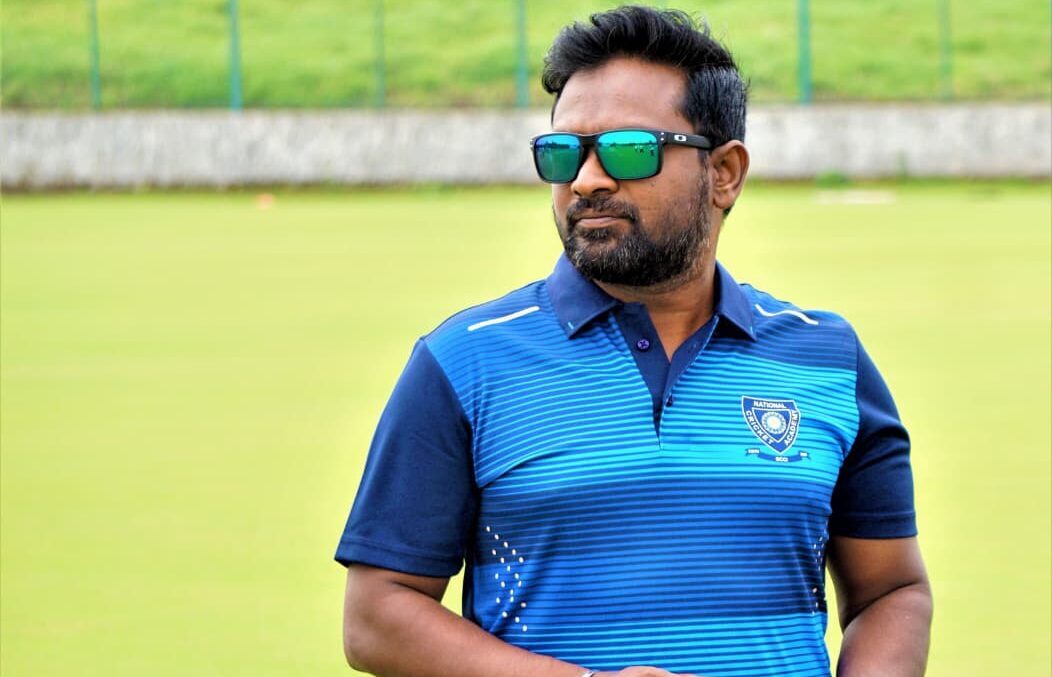
Vanapalli Veera Venkata Appa Rao or better known as VVV Appa Rao, may not have had a long First-Class cricket career, he only played five First-class matches and three List A matches for Andhra, but his passion for the game is unparalleled.
“I did not get many opportunities as a player, but cricket was more than a career for me. It is a passion and I am thankful for the coaching opportunities that have come my way,” Appa Rao told khelkhiladis.com.
What was deprived for him, Appa Rao is keen to give to the next generation of cricketers. When he got a chance to travel to Nagaland, the Andhra spinner did not blink an eye. Even though it was far from his comfort zone; he chose to go to the Northeast as he was keen on going where not many had ventured.
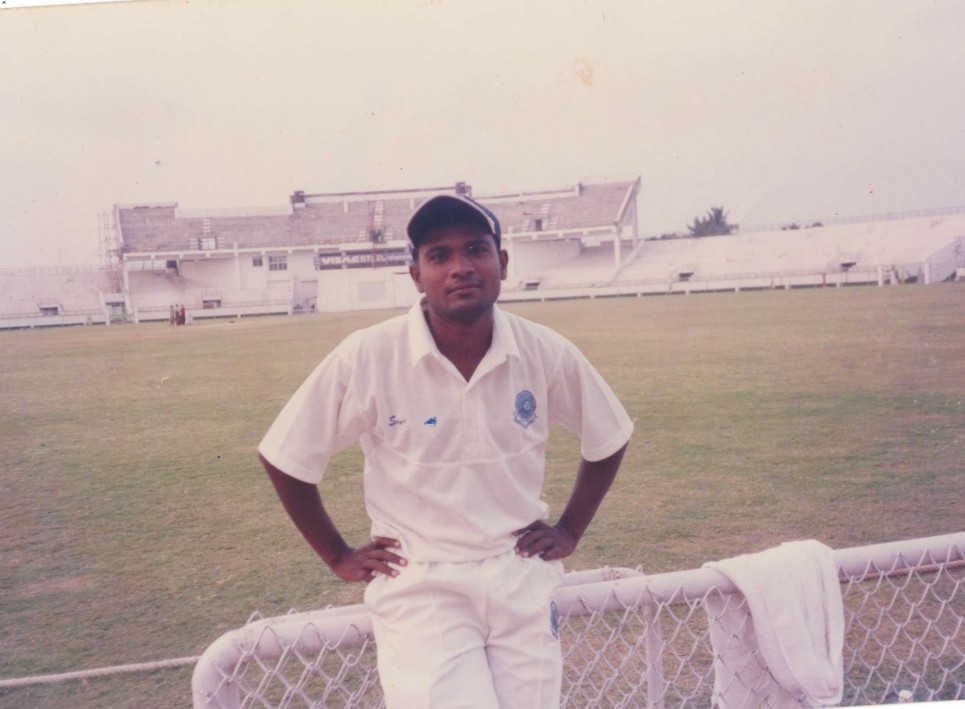
VVV Appa Rao during his playing days for Andhra Ranji team
“I don’t know what kind of impact, I have had on the players in Nagaland, but they helped me to develop a ‘holistic approach towards game and life’,” says the ever modest, Railway employee, who is placed in Guntur.
Appa Rao bares his soul in this free-wheeling interview with khelkhiladis.com
What made you take up coaching?
I took up coach because it gives me immense joy and satisfaction as I see the players grow and devel. Coaching always challenges my integrity, self-awareness and ensures that I practice what I coach in real life. It also gives me an opportunity to help players and to create a positive impact. I also consider it as an opportunity to explore the world.
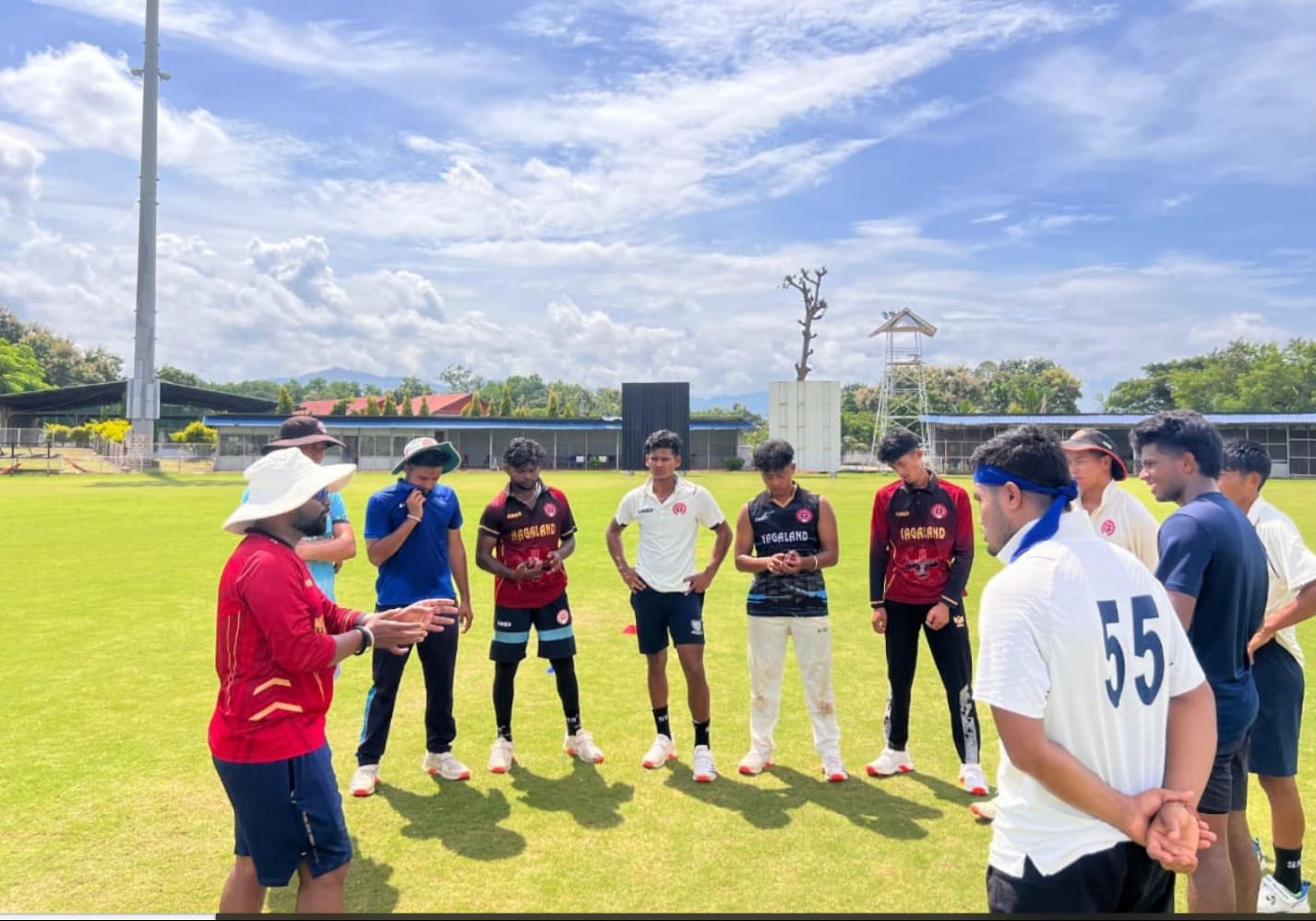
As a player I was unable to get the necessary feedback and guidance at the right time. Now I try my best to help the athletes get their ‘TIMING’ of doing the things right (nothing is right or wrong only timing of that particular action).
What level of coaching license do you have?
BCCI Level B in 2012 which was conducted by NCA, BCCI Jaipur, Rajasthan. I also did the BCCI Level B Reaccreditation Course in 2017 conducted by Cricket Australia.
https://x.com/Nagaland_CA/status/2018283077441818999?s=20
Coaching is a different ball game: Appa Rao
How different and difficult is coaching from playing the game?
Playing the game is all about how I prepare myself in terms of work ethic, discipline, self-awareness et. It was all about management and aligning my goals with the team requirements. Whereas coaching players requires a holistic approach and understanding the players’ emotions, social management, public relations and emotional intelligence. For me both the platforms have different challenges and as a player-turned-coach it’s a different experience. The transition is from doing things to make others do it. I always try to step in their shoes before giving any suggestions and ideas.
Coaching is tougher because the decisions I make reflects on 15 to 20 players and the support staff and really tests my integrity, decision making ability under pressure situations. I really enjoy coaching because it gives me immense satisfaction and excitement in preparing the players, selection, toss, guidance, self-reflection and doing the job which I love the most.
Was the transition from playing to coaching easy?
It was not very easy, but I have chosen this path with real purpose and pride. To help the players, I always try to keep myself updated every day because the demands of the game have changed over the period of time from red ball to white ball and the shorter format (T20). When I was playing the game, technique was more emphasized but now the scenario is different. We need to appreciate the individual’s difference and it’s not how beautifully one executes his skill, but what kind of impact and effectiveness does it produce, especially under pressure.
Inspired by John Wooden and Glenn Mills
Why didn’t you opt for coaching in Andhra or Hyderabad?
I have coached in Hyderabad from 2010 to 2012 and in Andhra 2012 to 2018 for the various state teams. I also had a stint in Guntur district and learned many things during that time. As an aspiring coach, I wanted to be out of my comfort zone and help players who really need my services.
I was inspired by great coaches like John Wooden (American basketball coach), who developed the coaching pyramid, and Glenn Mills (Jamaican sprinting coach), who produced the players like Ussain Bolt and Asafa Powell. They are not just coaches but latent talent identifiers who spotted hidden potential in athletes which others had overlooked.
Why did you choose to go to Nagaland? And when did you first go to Nagaland?
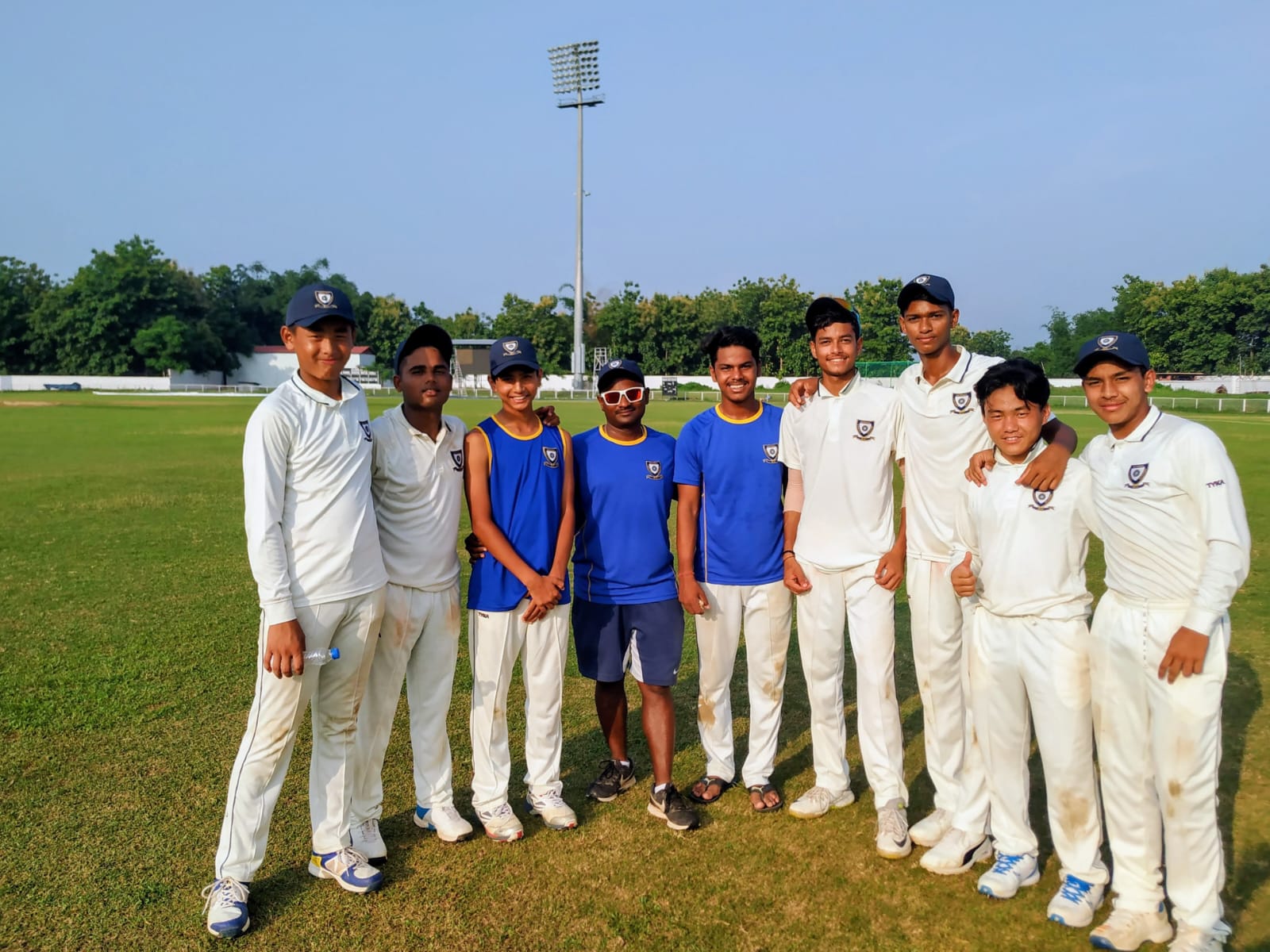
I got an opportunity as a head coach for Nagaland Under-19 men’s team in 2019. When I got the offer, I was already thinking of moving out of my comfort zone and help players who really need my services at grass root level. It was a great opportunity for me to explore the new dimensions of life and challenge my coaching skills.
What was your first impression of cricket in Nagaland?
Nagaland Cricket Association administrators were very cordial, and they have given me freedom to work and express myself. The players were young and new to the game but were very keen to learn. My first impression was that they had tremendous potential and it was a great scope for me to nurture the latent talent.
Grateful to players for coaching me: Appa Rao
What were the difficulties you faced in Nagaland in the initial days?
It was full of excitement and opportunities for me rather than difficulties, but the areas of concern were that I was more task-oriented and winning and delivering was everything for me. But I soon realized that players were not very interested with my coaching and playing profile. They wanted a coach who could observe, understand and develop their game and life skills.
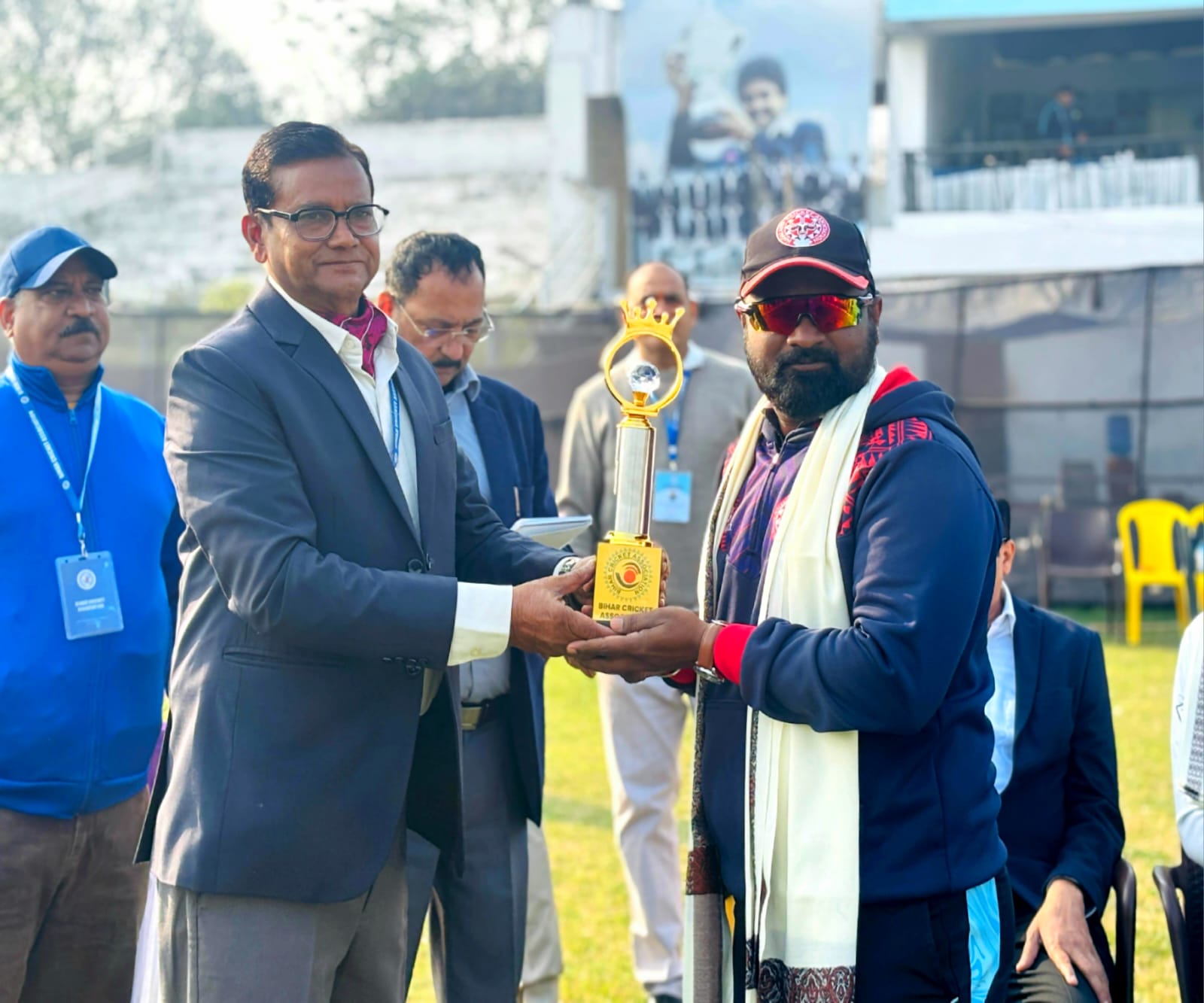
In fact, they helped me to develop a holistic approach towards life and the game. I am grateful to them for ‘coaching’ me.
https://x.com/Nagaland_CA/status/2020762133169156470?s=20
Were there communication problems with the players?
Yes, to an extent I did have some problems in this area. But, in a way, it improved my listening skills and patience. Players from Dimapur and Kohima speak Hindi and English well but players from the remaining parts of the state mostly speak Nagamese and some of the players communicate in their own language only. Slowly I learned Nagamese to make them comfortable. This improved my non-verbal communication skills like eye contact, gestures, body language, facial expressions etc.
What have been the highlights of your stay with the Under-23 team thus far?
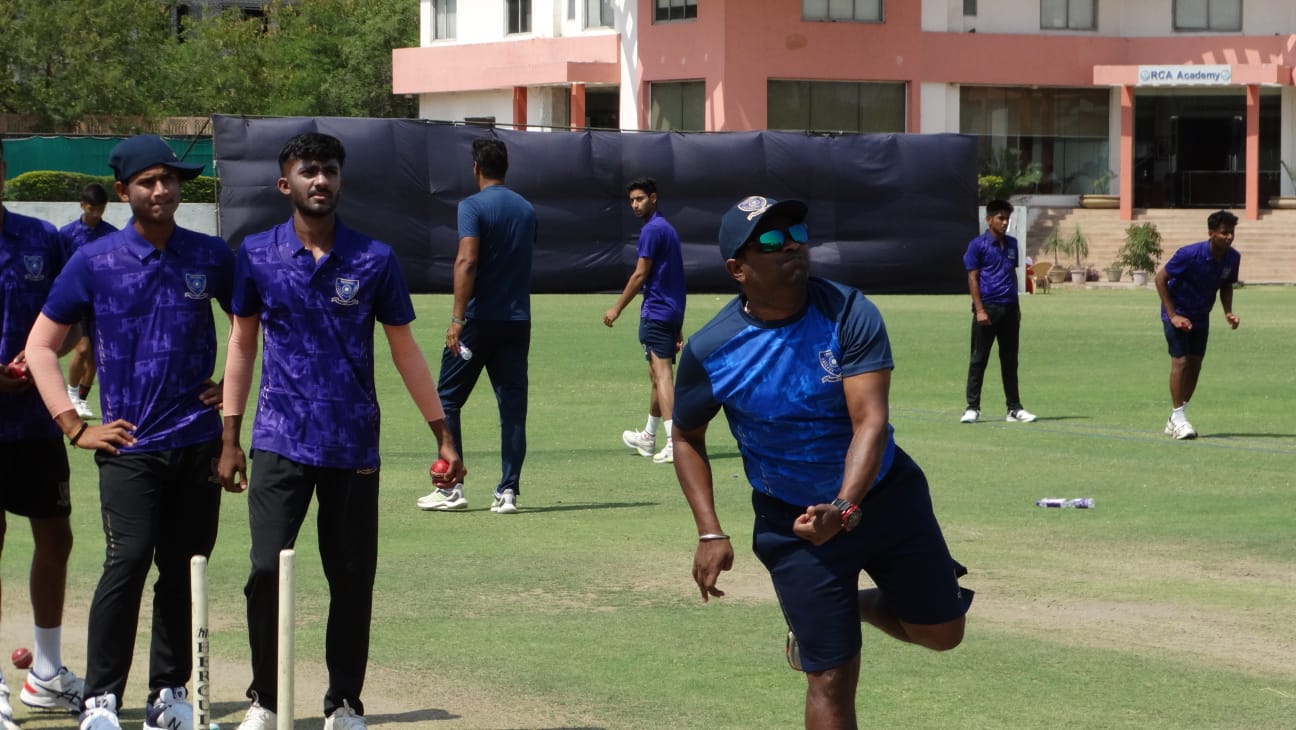
Eight to 10 players graduated from the Under-23 teams to the Nagaland senior teams. Two players got BCCI Naman awards. Some of them are consistently getting selected for BCCI Zonal Camps. To top it all, we had won the CK Nayudu Trophy (plate group) once and finished runners-up twice. This is no mean achievement.
Other positive aspects were that the players developed assertive communication abilities, team spirit and compassion. These are invaluable life skill lessons.
What is the standard of cricket in Nagaland?
The standard of cricket in Nagaland is progressing from novice stage to intermediate stage and in the about 5 to 10 years’ time, it will reach the autonomous stage.
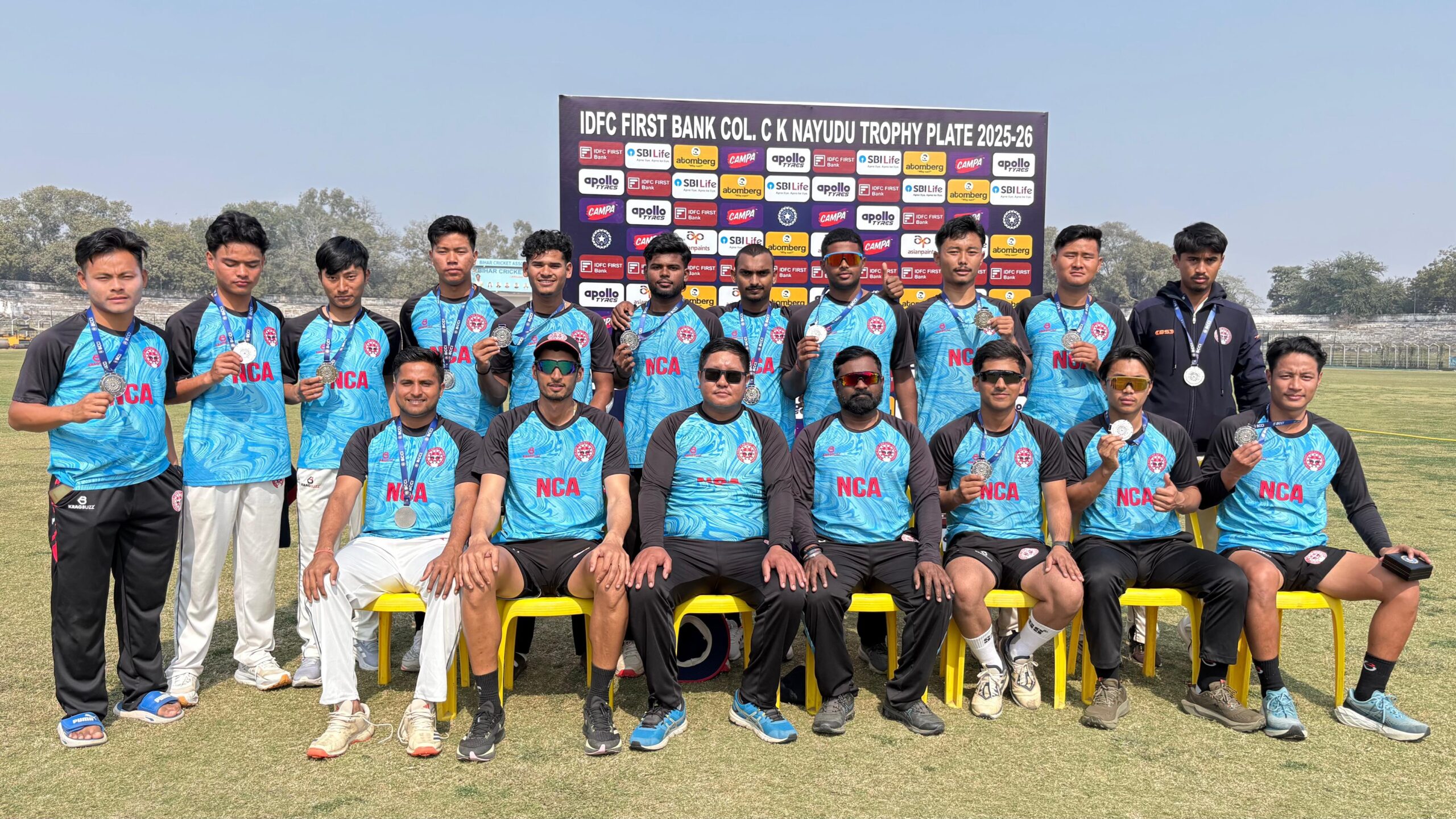
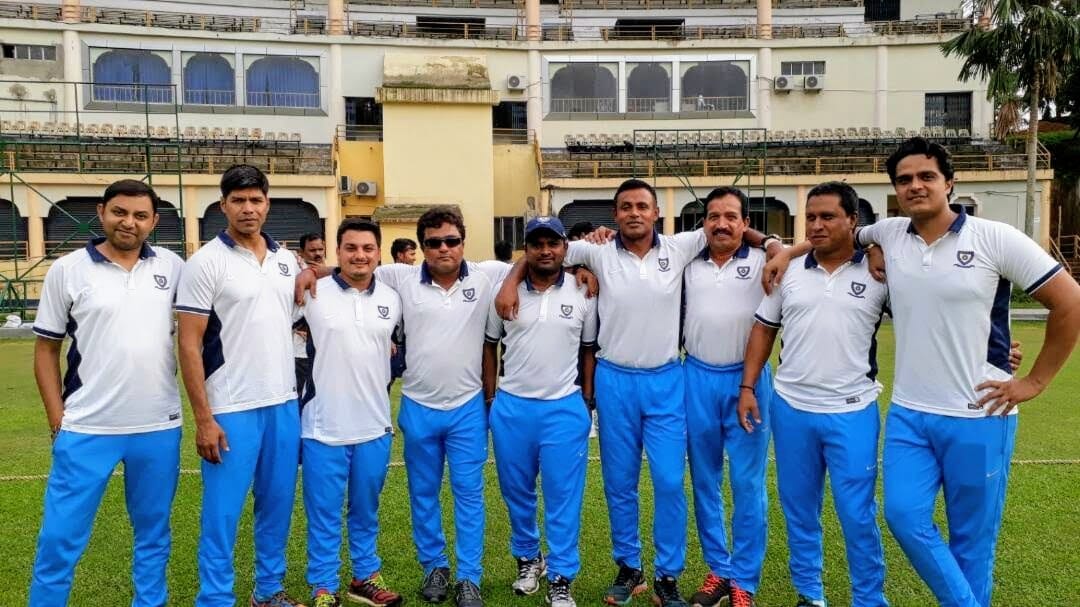
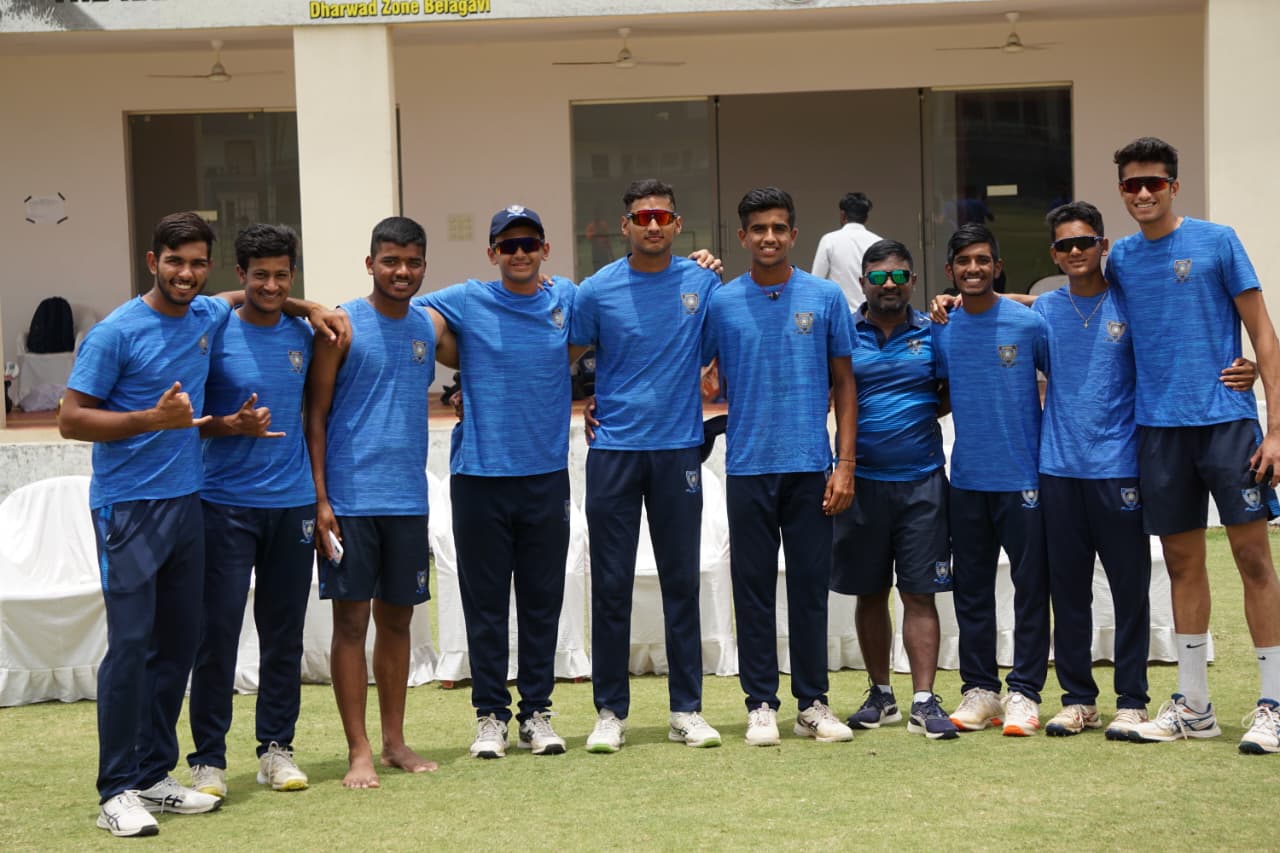
Appa Rao with the Nagaland Under-23 team, which finished runners-up in the Plate Division
Players need more exposure to develop their skills
What needs to be done to make things better for the players in Nagaland?
As of now cricket is being played more in Dimapur, Kohima, Mokhchung, Wokha and the cricket association needs to encourage players from all regions of Nagaland to take up the game. Local cricket activities like inter-school, college and corporate leagues have to be started at the district-level. The teams should be taken on exposure tours so that they experience playing on different pitches, opponents, climate conditions, and also food etc.
Players, who are part of the state teams, should be given proper nutrition, quality equipment and practice.
Is the talent as good as in traditional cricket centres?
Basically, in the Northeastern states they love to play football, and it is there in their blood. My observation is that they have very good agility and intense focus. But the focus levels are for short periods like 45 minutes to an hour. Cricket, on the other hand, needs focus for at least six hours with switch on and switch off mode.
It is a different challenge to work with them, to understand their sport and language and transform their talent into cricket specific skills.
How satisfied are you with your coaching stint in Nagaland?
Nagaland is the place which taught me compassion, happiness in sharing, fearless approach, doing the job without expectations and accepting things as it is without judgement. Surely, I don’t know what kind of impact I have had on the players, but they helped me to develop a ‘holistic approach towards game and life’.