Published: April 9, 2026 at 9:23 pm
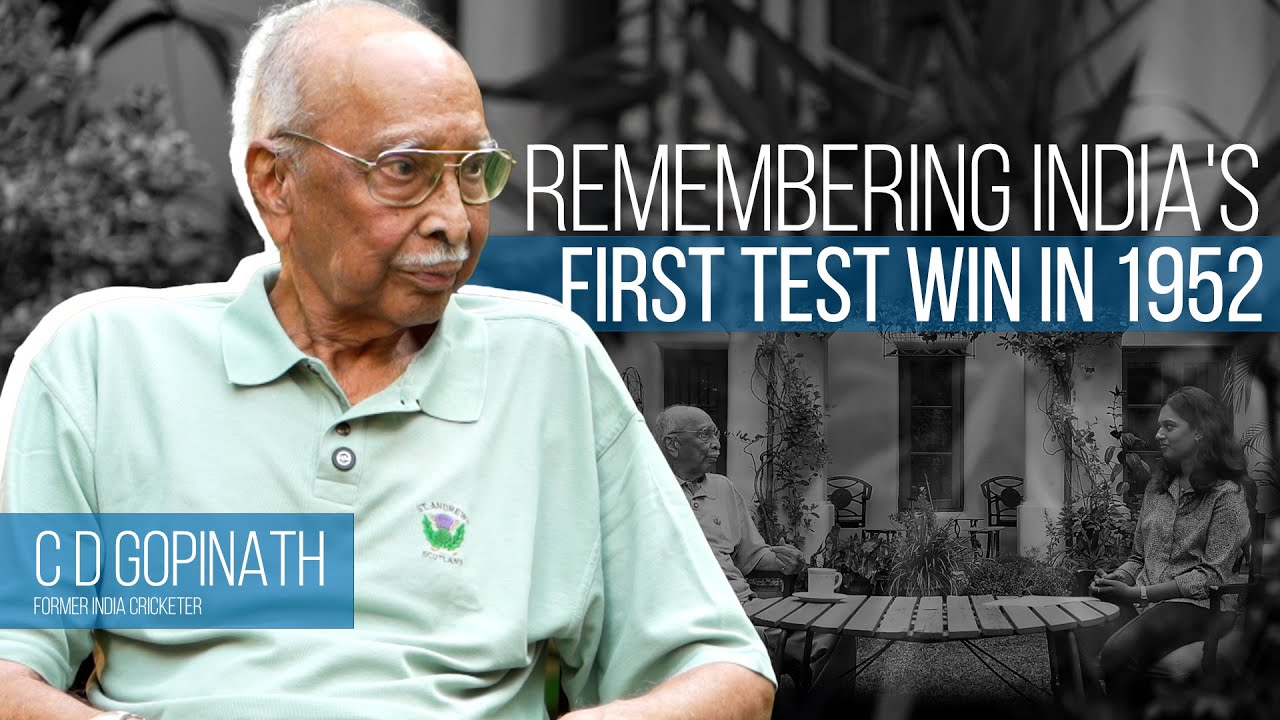
The doyen of Indian cricket, C D Gopinath, the nation’s oldest Test cricketer, passed away peacefully in his sleep, at his daughter’s house in Adyar, Chennai, on Thursday. He had celebrated his 96th birthday on March 1, 2026. Gopinath was the last surviving member of the Indian team that recorded its first-ever victory in the Test arena by beating England by an innings and 8 runs in the 5th Test of the 1952 series at Chennai (then Madras).
https://www.instagram.com/p/DW6Xh93E4NV/?utm_source=ig_web_copy_link&igsh=NTc4MTIwNjQ2YQ==
Chingleput Doraikannu Gopinath made his Test debut in 1951 against England and scored a creditable 50 not out and 42 in his first Test match. The unbeaten half century was a classy knock full of flowing strokes while the second was a fighting effort, scored when Indian wickets were falling rapidly. Over a career that lasted nearly a decade, he represented India till 1960 and his last match was against Australia that year.
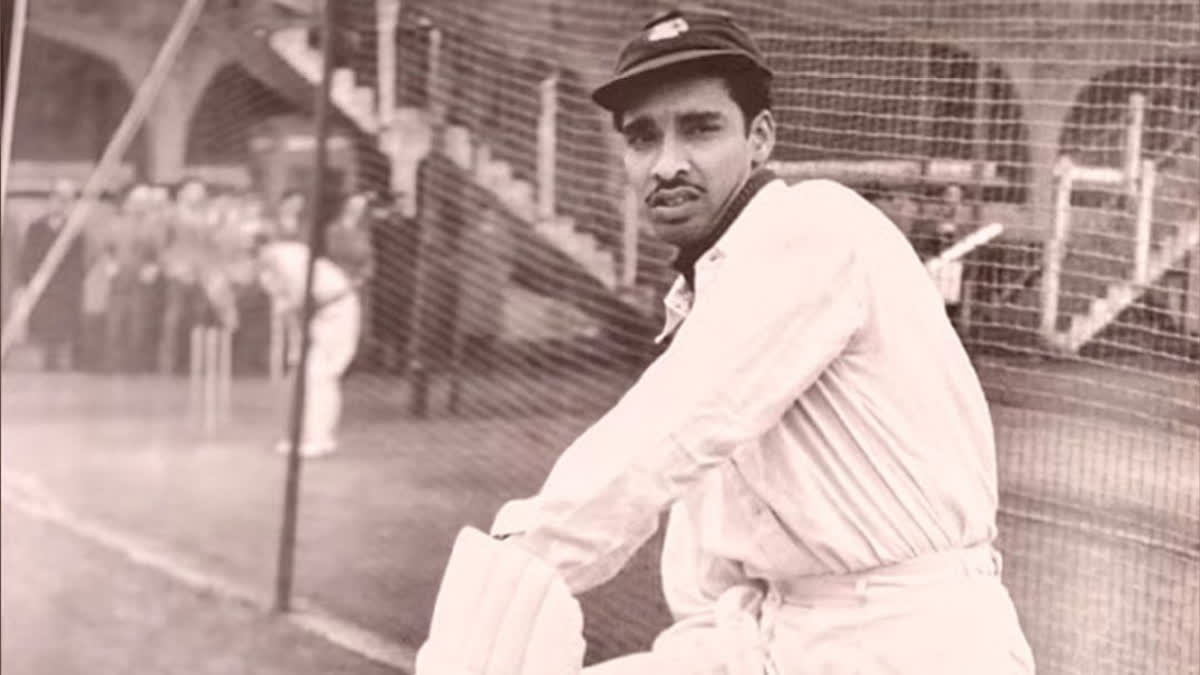
Chingleput Doraikannu Gopinath made his Test debut in 1951 against England and scored a creditable 50 not out and 42 in his first Test match. Pic: IANS
Gopinath played against and alongside some of the greatest legends of cricket in the 1950s. They included Englishmen like Brian Statham and Tom Graveney, Australians such as Richie Benaud, Neil Harvey, Ray Lindwall, Alan Davidson and others. Gopinath’s team mates included the most illustrious names in the history of Indian cricket such as Vinoo Mankad, Nari Contractor, M L Jaisimha, Bapu Nadkarni and many more.
Gopinath watched cricket evolve
In the course of his lifetime, he has seen cricket evolve and transform itself. He had many interesting stories to tell. On one occasion he told ESPN: “Today when a fellow takes a catch, the whole team runs there – carries him, kisses him, hugs him – not only in cricket, in every game. Those days it was not good manners to express your inner feelings without restraint. If you held a brilliant catch, someone may say: ‘Well taken.’ That’s it. You didn’t go running around the ground or carrying people. It was considered vulgar to show your feelings to the outside world.”
Ramadhin could not fool him
In 1950 during a series of matches against the visiting Commonwealth team, he was the only batter who could not be fooled by Sonny Ramadhin, the mystery spinner from the West Indies. That year the West Indies toured England and secured their first-ever victory on English soil. The English batters failed to counter the guile of Ramadhin and Alf Valentine.
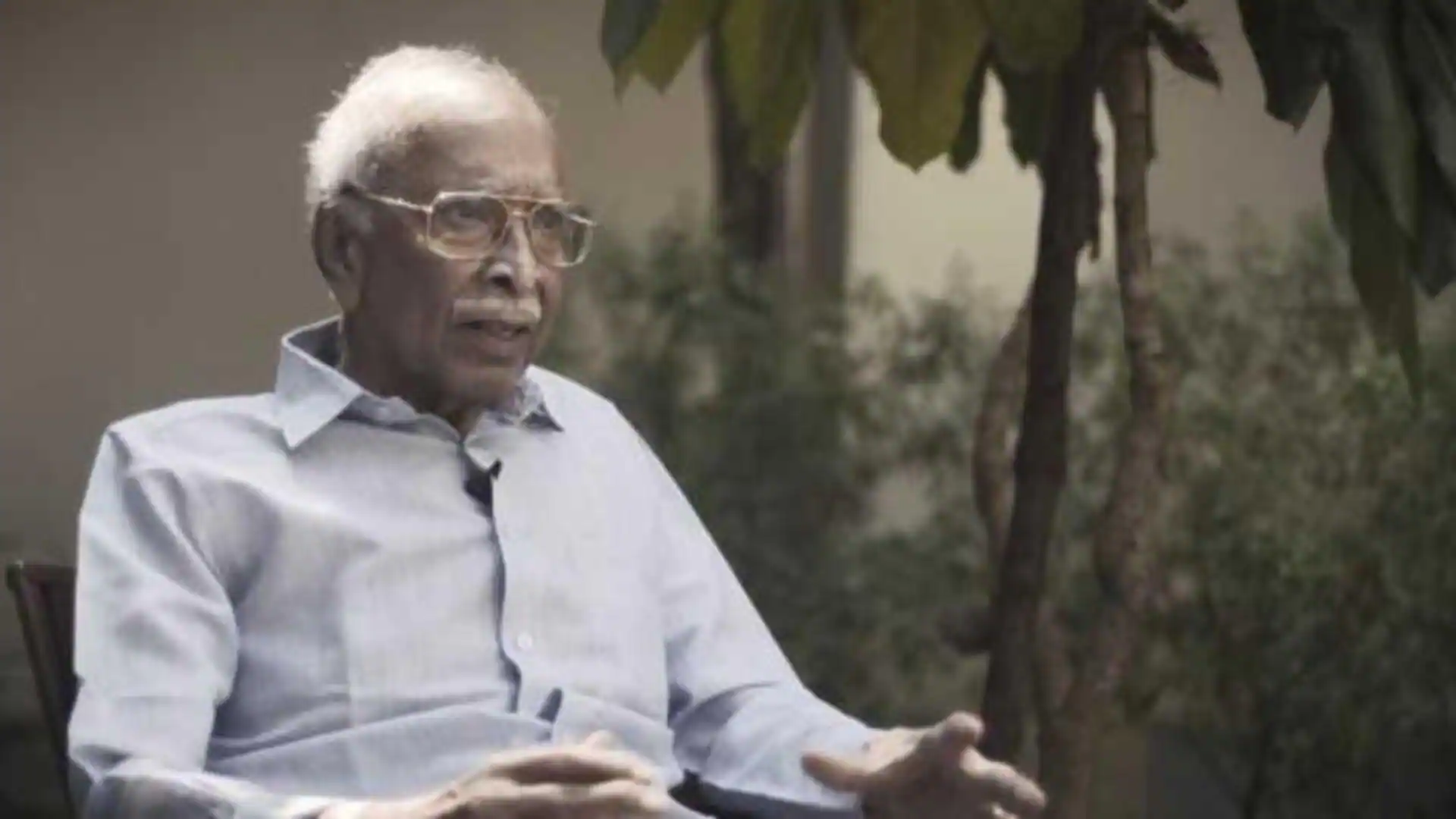
In the course of his lifetime, Gopinath has seen cricket evolve and transform itself. He had many interesting stories to tell
However, back in those days not many Test matches were played every year and Gopinath was not selected for every match. In all, he played only 8 Test matches. But in the Ranji Trophy, Gopinath was a heavy scorer, finishing with 2349 runs (average of 51.06) with a highest score of 234 against Mysore. One of his finest innings was 175 for South Zone against the visiting New Zealanders in 1955-56. He captained Madras for several years.
He was a member of the Madras (now Tamil Nadu) team which won its maiden Ranji Trophy in 1954-55. The team was led by Balu Alaganan, who later became a famous radio commentator. Many years after the victory, skipper Alaganan credited the Ranji trophy triumph to Gopinath’s shrewd thinking as well as that of A G Kripal Singh, another famous player in the history of Indian cricket.
“In the semifinal, Gopinath plotted Pankaj Roy’s dismissal on the hook shot off the bowling of B C Alva who used to bowl fast off breaks. We posted a fielder near the boundary and told Alva to bowl his off breaks on the stumps but short of a length. He did so and Pankaj Roy fell for the trap. Roy hooked, the ball went up and he was caught. It was Gopi’s idea all the way,” said Alaganan.
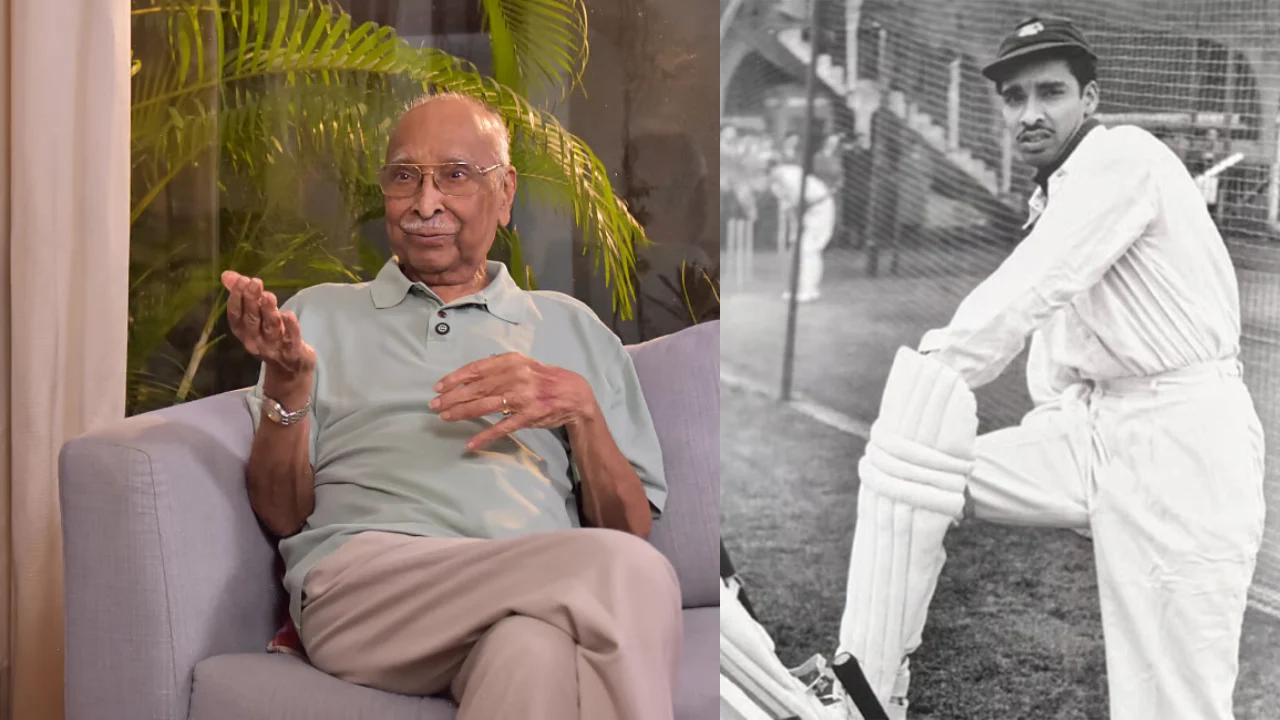
Gopinath continued to lead Madras till 1963 and his tenure became known for the team’s creditable displays although they could not win the trophy again during this period
After Alaganan retired, Gopinath was appointed captain of the state team. He continued to lead Madras till 1963 and his tenure became known for the team’s creditable displays although they could not win the trophy again during this period.
In the 1970s he was appointed chairman of the BCCI selection committee and in 1979 he was the manager of the Indian team which toured England.
Gopinath faced challenges as a selector
In 1971, he faced a major challenge in his role as selector. The Indian team to tour the West Indies was being selected and the chairman of the Selection Committee, Vijay Merchant, wanted to replace captain MAK Pataudi with Ajit Wadekar.
But Gopinath along with another selector M M Jagdale, were in favour of retaining Pataudi. A long and heated debate ensued. Although Gopinath was far junior to Merchant, he stood up for what he felt was right. Ultimately the votes were split evenly at 2-2. The deadlock was broken when Merchant himself cast his vote in favour of Wadekar and that was why the Mumbai player led the team to the West Indies.
Book about his life and career
Former Hyderabad cricketer Ramnarayan Venkatraman has co-authored a book with Gopinath titled: Beyond Cricket, A Life In Many Worlds. Ramnarayan wrote that Gopinath was considered the aristocrat of the Madras team. His father was C P Doraikannu, chief accounting officer of the Imperial Bank of India (now known as the State Bank of India).
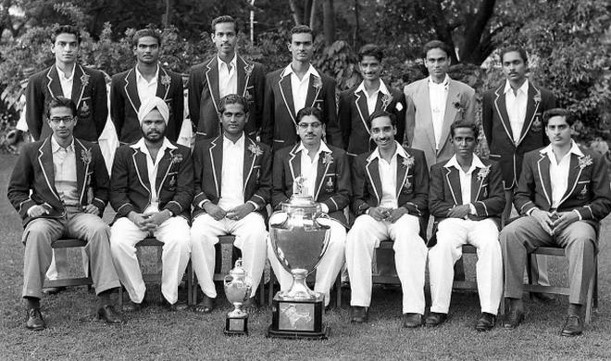
Later Gopinath became the chairman of Gordon Woodroffe & Co and was the first Indian citizen to hold that post. Thereafter he was also appointed India’s honorary consul for Norway.
In his later life, he moved to Coonoor in Tamil Nadu with his wife Comala who used to be a champion tennis player. When they were young, Gopinath and Comala used to frequently take part in tennis championships as a mixed doubles pair.
Gopinath was also an excellent bridge player and never missed a bridge tournament. In short, he was an athlete, cricketer, sports administrator and a man who knew how to enjoy life. He will be sorely missed and remembered with great fondness not only in cricket circles but also in several other games as well as the clubs of which he was a member in his old age.