Local sports
‘Sports club culture’ essential for development of sports in India: Handball coach Satyavani

In many other countries, a ‘sports club culture’ is prevalent. This involves establishing clubs at various levels, from grassroots to elite, where athletes can compete against one another through leagues, even when major official tournaments are not taking place. This provides a continuous opportunity for athletes to refine and sharpen their sporting talent.
“In contrast, our current approach, outside of specialized, high-level training programs (such as those for international, Olympic, or other elite-level competitions), tends to follow a rigid annual structure consisting only of a preparatory phase, a competition phase, and a transition phase,” says TVL Satyavani, former DYSO, SATG.

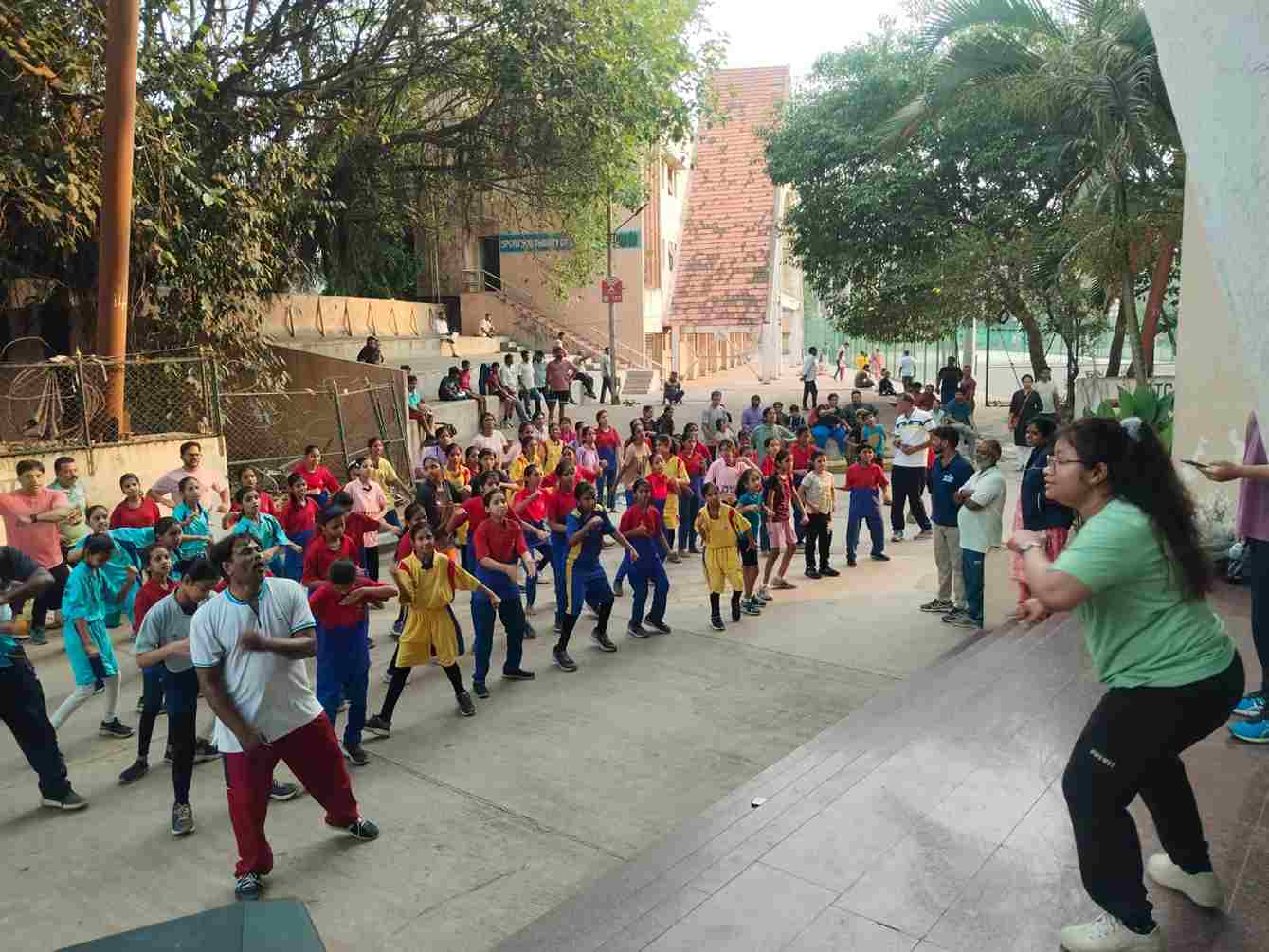
Training is often geared solely toward preparing athletes for specific, major events. However, athletic talent requires constant honing to reach higher levels of performance, says Satyavani while calling for a sports club culture in Telangana as well as in India
“Consequently, training is often geared solely toward preparing athletes for specific, major events. However, athletic talent requires constant honing to reach higher levels of performance. This necessitates a system that provides regular ‘exposure tournaments.’ If a robust club culture were in place, athletes could compete frequently against one another.
Srihari: Grassroots talent identification, quality coaching and athlete welfare top priorities
“This would allow them to experience game-like situations, sharpen their technical skills, and learn to devise winning strategies. Furthermore, it would also provide coaches with the opportunity to… This provides an opportunity to assess the team’s current standing and develop strategies to move forward—addressing shortcomings and creating a roadmap to secure medals,” Satyavani, who is a handball coach, added.
Coaches need to tailor-make coaching process: Satyavani
Satyavani also stressed on the need for coaches to tailor-make their coaching to suit the needs of individual athletes. “Much like how students undergo various preparatory tests before their final annual examinations learning how to effectively translate their knowledge onto paper, a coach must tailor the training process to the individual needs of a young athlete.

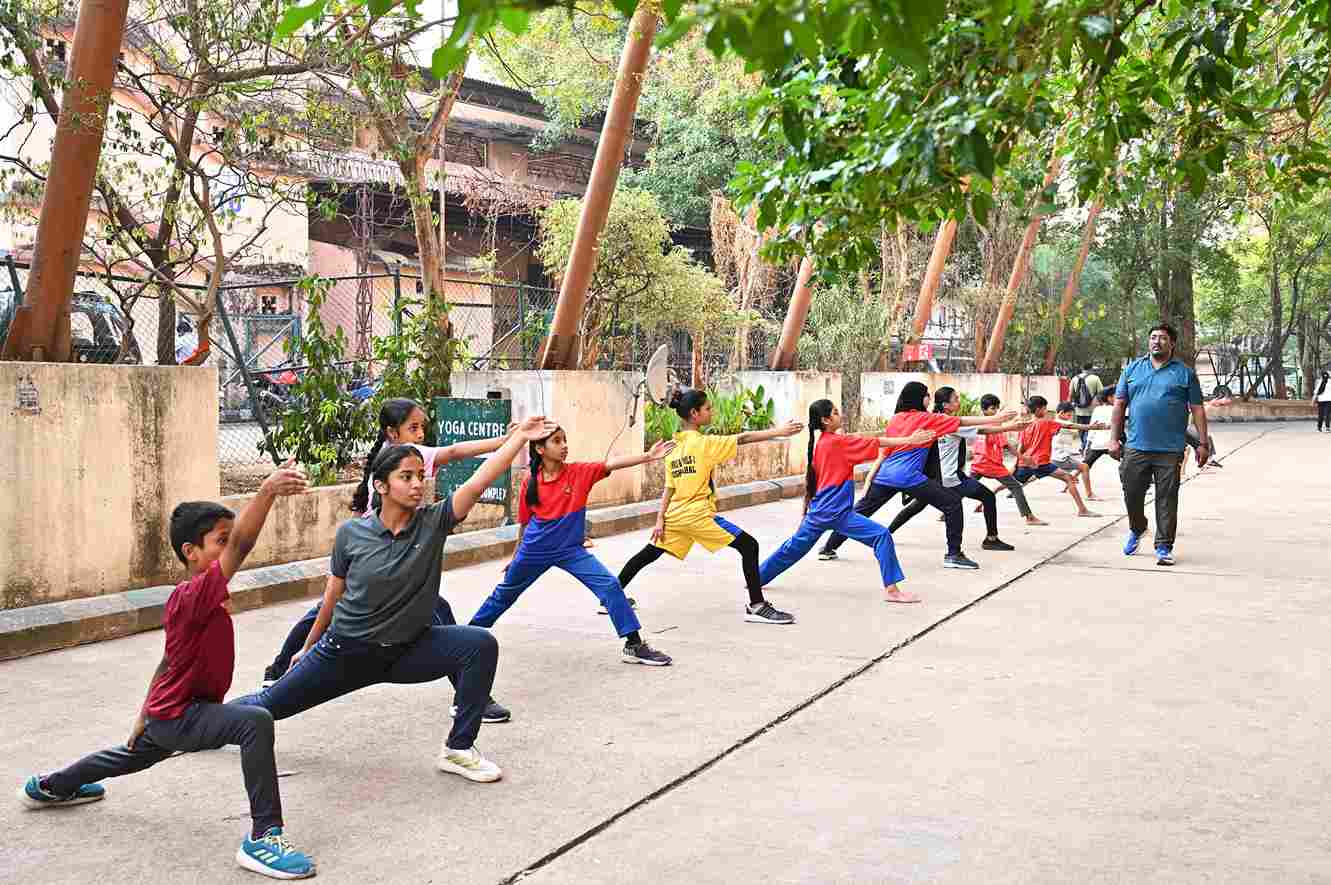
A coach must tailor the training process to the individual needs of a young athlete
“Implementing such a plan requires careful attention to technical details; a coach must gauge the athlete’s capacity to handle physical exertion (load) and adjust it progressively to refine their skills. This is essential because athletic performance is deeply rooted in physiological, biological, and psychological factors. One cannot simply impose an arbitrary workload without considering these underlying elements,” she added.
“For instance, to improve an athlete’s endurance, a coach must first understand the capacity of their cardiovascular system. By evaluating the athlete’s load-bearing threshold, the coach can gradually increase the intensity, enhancing not only cardiovascular capacity but also the coordination between various bodily systems,” Satyavani explained.
https://x.com/kimskris/status/2114279121706463662?s=20
“This is a delicate process that demands constant vigilance throughout every moment of training. That is precisely why coaching is not a task that just anyone can undertake. Sports training is not merely about ‘imparting instruction’, it is an experience that can only be facilitated by qualified sports coaches.
Sports training operates differently: Satyavani
“Unlike academic education, where a single teacher can instruct a large group simultaneously, sports training operates differently. In academics, a student can choose to read a book of hundreds of pages within ten, twenty, or thirty days or, with enough focus, even finish it in a single sitting. In sports, however, this is not possible. For an athlete to coordinate their body parts to perform a specific activity, they must practice it thousands of times,” she said.

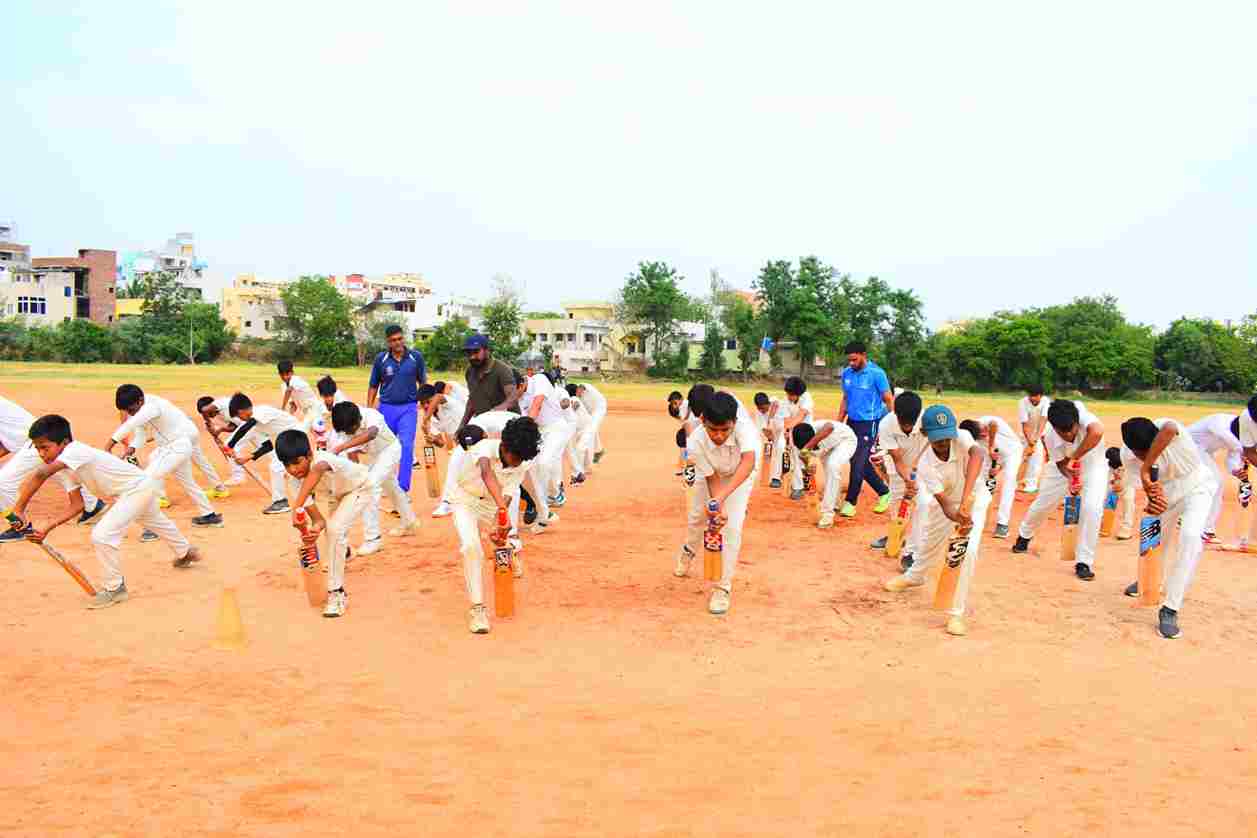
A coach must have a thorough understanding of the physical condition of every athlete under their guidance, says Satyavani
Satyavani also stressed on a structure planning, while saying that all this should be carried out under the strict supervision of a qualified coach. “This practice must be structured through technical planning, carried out in precise, measured doses, and performed under the strict supervision of a qualified coach; the human body simply cannot sustain more than that. A coach must have a thorough understanding of the physical condition of every athlete under their guidance. Only then can the training load be managed in a way that effectively develops the athlete’s potential. Any error in this process could lead to life-threatening risks. This is precisely why research-based guidelines suggest that a single coach should oversee no more than 20 to 30 athletes (depending on the specific sport),” Satyavani warned.
Impartial selection process needed
The handball coach also stressed on the need for an impartial and just selection process which will be able to identify talent at the grassroot level. “A sports program can only be effectively designed and implemented when, alongside well-laid-out plans, there is adequate infrastructure and a sufficient number of qualified coaches. The intended goals will be achieved.

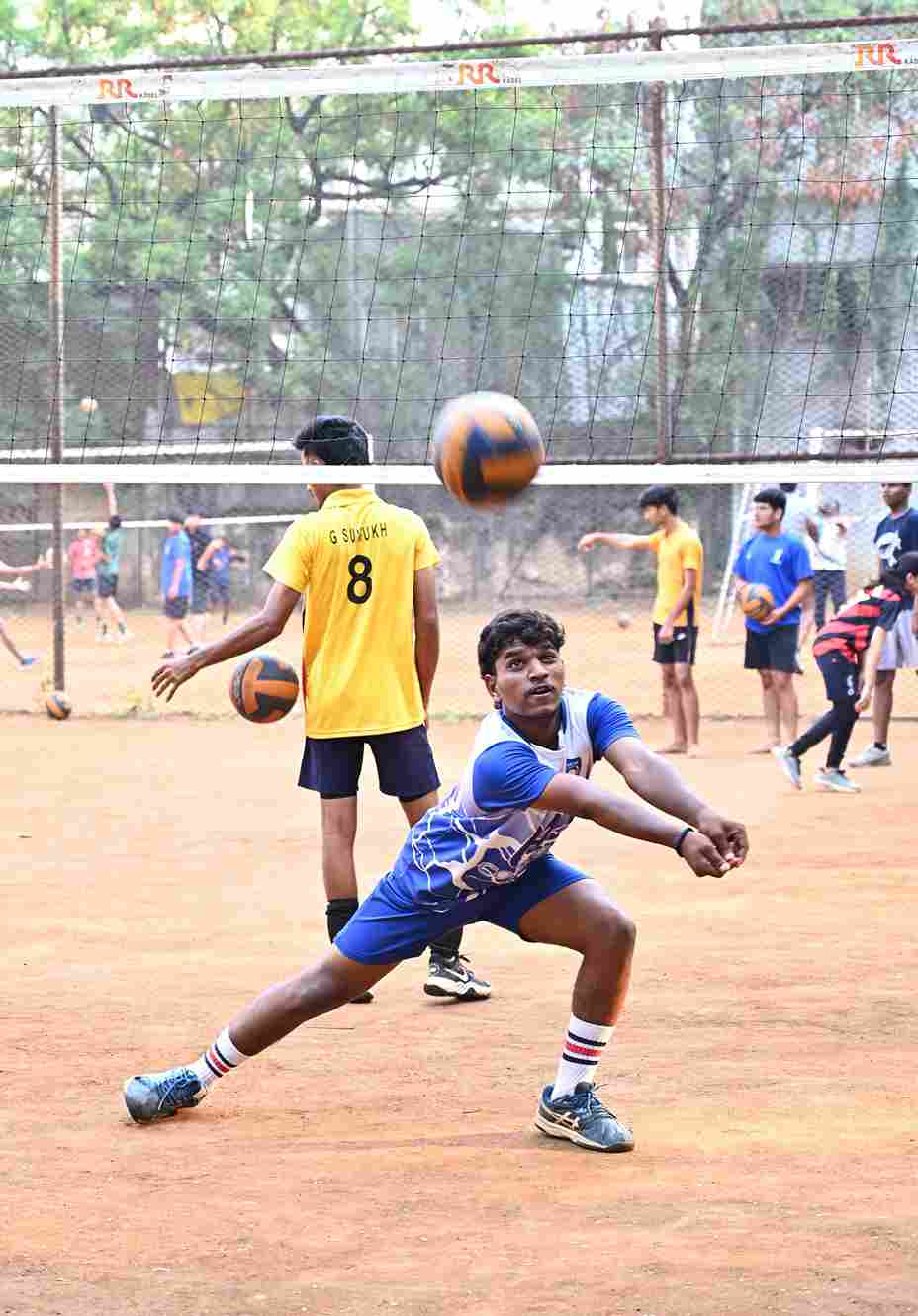
Selections at every level must be conducted strictly on merit, without any room for recommendations or external influence
“For this to happen, the first and most crucial step is the selection process. Just as a high-quality seed is essential to grow a tree that bears good fruit, the process of ‘talent identification’ must be carried out with great care. Selections at every level must be conducted strictly on merit, without any room for recommendations or external influence.
“If this approach begins right here in our state of Telangana, the sporting vision of our chief minister A Revanth Reddy will undoubtedly be realized,” she added.