Exclusive
No more Fizz in sports, jingoism to fore: Hurt Bangla seek venue change for T20 World Cup

The Board of Control for Cricket in India’s (BCCI) move to instruct Kolkata Knight Riders, co-owned by film star Shahrukh Khan, to release Bangladesh fast bowler Mustafizur Rahman from their squad for IPL 2026 is generating a lot of heat from the neighbouring country.
Will the move jeopardize the ICC T20 World Cup to be held in India and Sri Lanka next month? The Bangladesh Cricket Board (BCB) has reportedly upped the ante and is seeking a change of venue.
The left-arm speedster was acquired by the three-time champions for Rs 9.20 crore in the mini auction. There has been tremendous pressure on KKR to release the player because of the conflict and atrocities on minorities in the neighbouring country. It is worth mentioning that once KKR bought Rahman in the auction, they couldn’t have released Rahman on their own. According to the official IPL guidelines, the call to release a player lies only with the BCCI or the player himself. Hence, the instruction came from the BCCI and secretary Devjit Saikia also confirmed that the franchise will be allowed to sign a replacement in his place.

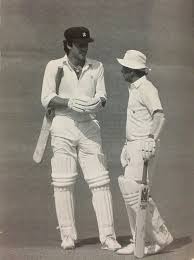
Sunny Days: Sunil Gavaskar and Imran Khan
An eye for an eye makes the whole world blind
In what is apparently a tit-for-tat move, it is learnt that the BCB has been directed by the country’s sports ministry to formally request the ICC to shift Bangladesh’s four league matches to Sri Lanka. The issue has added a sharp political edge to cricket relations between India and Bangladesh, just a month before the T20 World Cup begins.
Advisor Asif Nazrul said he has asked the BCB to take the matter up with the Jay Shah-led ICC and seek a venue change for Bangladesh’s World Cup games scheduled in India. “As the adviser in charge of the Ministry of Sports, I have instructed the Cricket Control Board to put the entire matter in writing and explain it to the ICC,” Nazrul wrote in Bengali on Facebook. “I have also directed the board to formally request that Bangladesh’s World Cup matches be held in Sri Lanka instead,” he further wrote.
Nazrul said he has requested the adviser to Bangladesh’s Information and Broadcasting (I&B) Ministry to ensure that the IPL broadcast in the country is halted. “I have requested the adviser for information and broadcasting to ensure that the broadcast of the IPL in Bangladesh is suspended. Under no circumstances will we tolerate any insult to Bangladeshi cricket, cricketers, or Bangladesh itself. The days of servitude are over,” he stated.
Bangladesh are slated to play four league matches in India, three in Kolkata and one in Mumbai. Their fixtures include West Indies on February 7, Italy on February 9, England on February 14 in Kolkata, and Nepal on February 17 in Mumbai. Pakistan, India’s traditional rival, are already playing their World Cup matches in Sri Lanka under an arrangement finalised months ago.

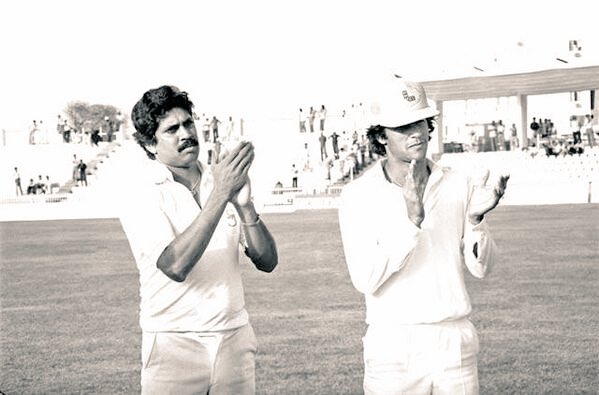
Applauding each other’s skills: Legendary all-rounders Kapil Dev and Imran Khan
Repercussions on the field after Bangla issue
Was the move to drop Rahman ill-fated? Is there going to be far more severe repercussions for India on the cricket field? India’s foreign policy is already under scrutiny, and we are now left ‘friendless’ in the neighbourhood. We don’t have a bilateral series against Pakistan and if Bangladesh too goes the same way, we will be left only with Sri Lanka to play against. The BCCI is the richest cricket board in the world, but can it isolate itself just to appease the bosses in the government?
The only other rivalry on the cricket field, apart from the Ashes between England and Australia, which generated intense cricket was the one between India and Pakistan. For example: Imran Khan steaming into bowl to Little Master Sunil Gavaskar or a 16-year-old Sachin Tendulkar lofting the spin wizard Abdul Qadir out of the park was a visual delight. The joy of seeing the Indian batters take on the Pakistan speedsters is indescribable.
Waqar Younis, when he was on the coaching staff of Deccan Chargers before Pakistan players and staff were banned from the IPL, was once asked why Pakistan produced so many quality fast bowler. “India produces many more quality batters,” was his cool reply. It was a rivalry which fans on both sides of the Wagah border enjoyed. And the players, themselves, would chill out in each other’s company after a day’s hard work on the field. But all that has been consigned to the dustbin as hatred and dislike has taken over.
Can sports and national jingoism coexist?
Sports and nationalism, it is an established fact, go hand in hand and international sports events are a clear example of banal nationalism. The term was coined by Michael Billig, and it refers to the unnoticed, taken-for-granted, ordinary signs of nationalism that reproduce the nation on a daily basis, such as flags or other national symbols.
But will mixing national jingoism and populism with sports prove beneficial in the long run? While sports naturally foster national pride and unity, using them to promote aggressive or irrational jingoism is generally seen as detrimental to the spirit of the game and to healthy international relations.
Sports has always been seen as a means to bridge the gap and build bridges and not walls. It is supposed to be a level playing field where race, colour, riches or nationality take a backseat as athletes forge a new identity which is based on performance and respect.

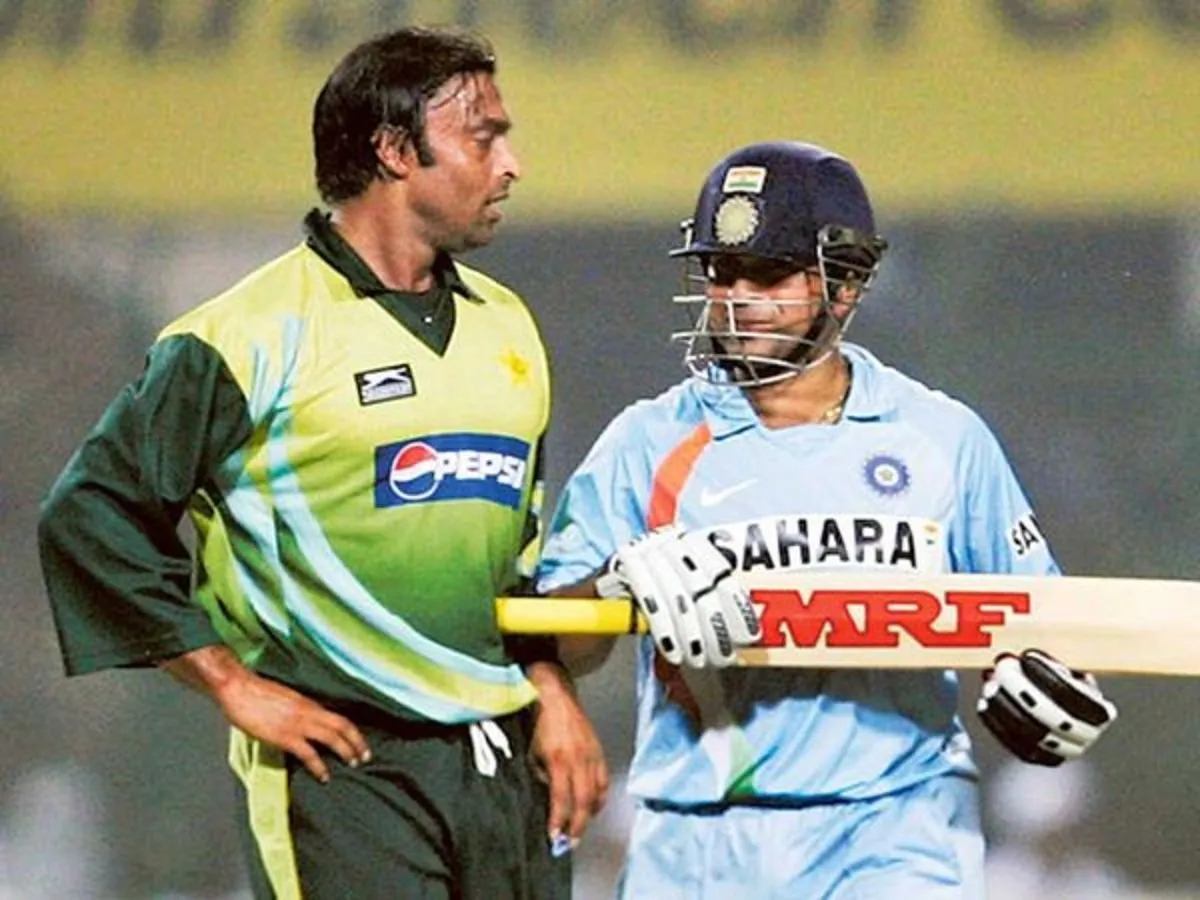
Unmatched rivalry: Master Blaster Sachin Tendulkar and Rawalpindi Express Shoaib Akhtar
An unshaken hand signals something else
But of late, the sportsmen spirit seems to have flown out of the window. Matches are being played without the teams even sharing the customary handshake. The MCC’s Spirit of Cricket preamble calls on players to “respect opponents” and play hard, but fair, and the handshake is its simplest, most visible embodiment.
Cricket, called the gentleman’s game, was not just about bat and ball. A handshake at the end of a match was supposed to mean that whatever has transpired stays on the field. But when the hands stay unshaken, it definitely signals something else entirely.
The International Cricket Council (ICC) is headed by Jay Shah, who is the son of India’s home minister Amit Shah. Hence will Bangladesh be able to get the ICC change the venue. It doesn’t look a change in venue could happen as there is the issue of logistics involved, and the ICC could coolly wash its hands off.
But the damage being done to India’s image of being a hospitable and tolerant society could be far more than one can envision. And sports and its culture could face irreversible damage.