Badminton
Mixed reactions: New BWF scoring system will make game faster and aggressive

The Badminton Association of India (BAI) has decided to fast track the BWF’s new 15-point scoring system in domestic tournaments, but the decision has brought mixed reactions from the badminton community. The players and coaches have their fingers crossed but for sure the dynamics of the game will change.
BAI to implement BWF’s new 3×15 scoring system, preparing Indians for new era
The new format will make its official debut at the July 7 to 14 Yonex-Sunrise All India tournament in Ernakulam. Earlier, the Badminton World Federation (BWF) had decided to revert back to 15-point from 21-point system. After 2006, the BWF had tried the 21-point system, but it will end in December this year.

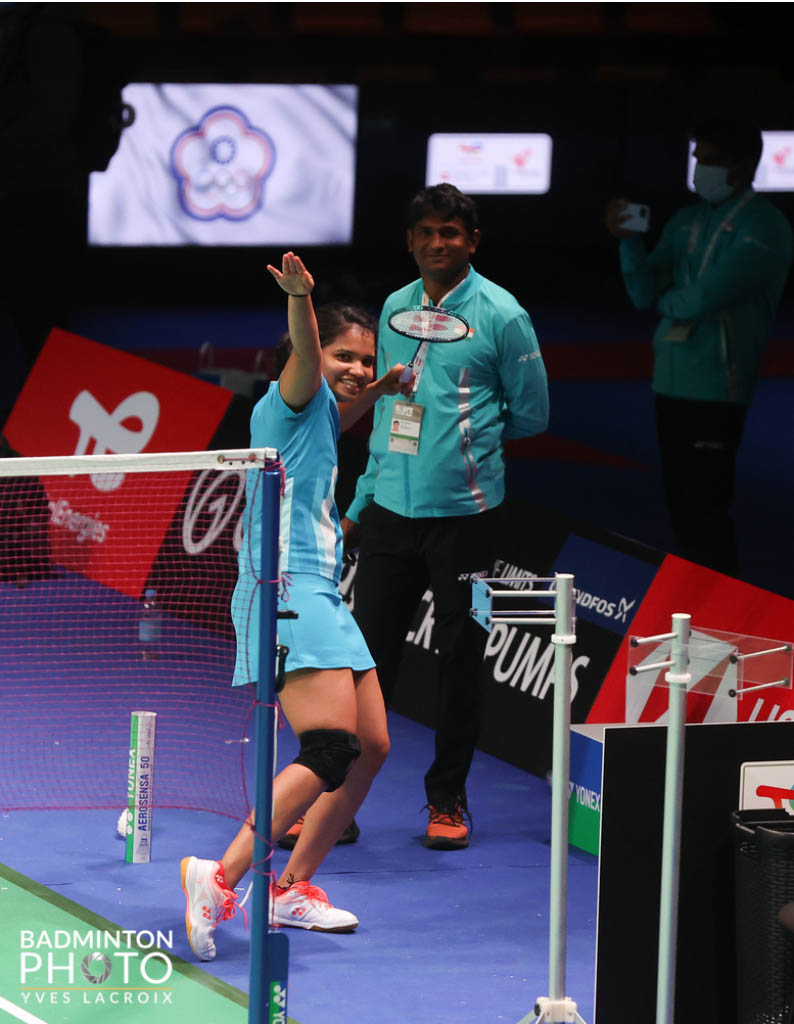
Aggressive players will have an advantage in new 15-point scoring system. Pics: Badminton Photo
Come January 2027, the game of badminton will revert back to the old 15-point system but with a little difference. In the old 15-point scoring system, which was the standard format of the game till 2006, a point could be earned only by the serving side. However, in the revised 15-point system a player can earn points irrespective of who is serving.
The BWF’s decision is mainly to make the game more attractive for the television audience. One of the complaints against the 21-point match was that the match, at times, could drag on for more than two hours or so. Now, in this revised best of three 15-point game, the match is expected to have fewer rallies and a match could be completed in much lesser time.
BWF’s proposed scoring system will dilute core essence of badminton: Vimal Kumar
Much before the BWF decision, the Telangana Badminton Association had implemented the 15-point system in the state tournaments a few years ago.
Not advisable to change scoring format: Babu
According to Bhaskar Babu, former chief coach at the Sports Authority of India, the 15-point system requires greater consistency from the very beginning. “Securing an early lead becomes much more important because there is significantly less time to recover from a slow start. In the 21-point format, players had more opportunities to regain momentum, whereas in the 15-point format, every point carries greater value,” said the veteran coach, who had accompanied Saina Nehwal during her early part of her career.
Elaborating further, Babu, felt that the shift from the 21-point to the 15-point scoring system places greater emphasis on speed and endurance, which is a combination of cardiovascular and muscular endurance. “While the physical demands of badminton remain largely the same, the shorter format changes the tactical and physiological requirements of the game,” he said.


The coach said that the ability to sustain high-intensity performance throughout the match is still essential. “Players must possess the endurance to withstand long rallies and maintain their quality of movement on court,” he said.
Talking about fitness, Babu added that the new scoring system may provide a slight advantage to experienced or older players, as shorter games can reduce the cumulative physical load. “Younger players, who generally rely on superior endurance and the ability to wear down opponents over longer matches, may not benefit much,” he stated.
However, Babu felt, adapting to the new scoring format should not be a major challenge. “Elite players are capable of adjusting their strategies and match preparation according to the rules. If viewed positively, any change in the scoring system can help players become more versatile and mentally adaptable,” he added.
Babu, however, was not happy with BWF’s decision to frequently change the scoring system. “It is not advisable, as they can create unnecessary confusion for players, coaches, officials, and spectators.”
Coaches have to redraw their strategies: Manoj
Manoj Kumar, one of the torchbearers of badminton in Hyderabad, believes the game will become faster now. “It will be more of speed and power. When we played in the 80s, it was 15-point with service over game. Sometimes, the match would last two-hours. It was a test of endurance. There were a lot of rallies. After the introduction of the 21-points, the game changed. There were rallies, the players played on the line and the players tossed the shuttle high.


“The new system, at the beginning, would see players being tentative. There would be less tosses and playing on the line would be a risk factor. I would like to see the net game of the players. Players like the legendary Prakash Padukone was a master dribbler at the net. He was a wristy player. The coaches have to redraw their strategies and train the players differently. There will be a lot of emphasis on speed and power,” said the former international.
Manoj said like other players of the world, the Indians too need to rework on their game. “The younger players may relish the 15-point system as it will all be about smashes and quick movement on the court. They will be aggressive from the start of the first point. Focus will be the explosive and speed power. The skills of a player will be tested differently. Luckily, in Telangana, the 15-point system was introduced much before BWF announced it officially. Interesting times are ahead in badminton,” he said.
Comeback in new system will be a miracle, says Sumeeth
For former international Sumeeth Reddy, who has now become a coach, the game will be played with an aggressive mindset and there could be less skill which was seen in the 21-point game. “A comeback is a miracle in the 15-point system once a player makes a strong start. In the 21-point game, a player usually studies the conditions and the players for the first five points. But it will not be that case now. A player has to make a confident start to run down his opponent.
“Now a player has to have aggression, speed and power the moment he steps on the court. In the 21-point game, the player could make a comeback even if he/she trailed by 10 or 15 points. But not anymore,” said Sumeeth, who had often paired with his wife Sikki in national and international tournaments.
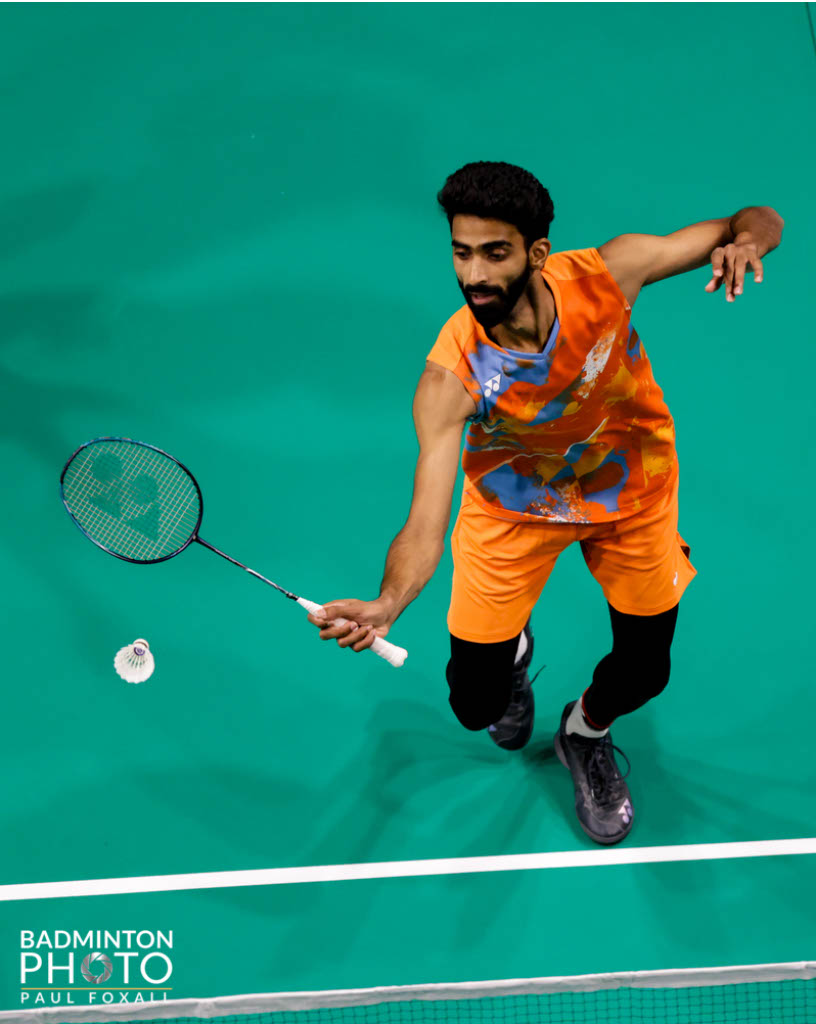

He said the coaches will have to work on different plans. “Yes, there will be a few players who always preferred a slow start but now his game has to change. Of course, the rallies could also depend on the speed of the shuttle. It could happen in slow courts but not on fast courts. For sure, most of the games will end in 15 or 20 minutes.”
The lanky shuttler said there will be change in the gameplan of Chirag Shetty and Satwiksairaj Rankireddy, India’s doubles bet. “I always believe that champion players will figure out a way to emerge victorious.”