Exclusive
Legendary Mohammedan Sporting’s financial distress devastates Hyd’s football community

Football fans of Hyderabad may remember the scintillating performances of the Mohammedan Sporting Club in the Nizam Gold Cup football tournaments in the past. Several of India’s biggest names represented the Kolkata-based club whenever it played in Hyderabad. They included Shabbir Ali, Victor Amalraj, Moidul Islam, Pem Dorji, goalkeeper Atanu Bhattacharya, the mercurial Iranian striker Jamshed Nassiri, the superb midfield playmaker Prasun Banerjee and the towering Nigerian Emeka Eseugo.
That grand old club, which provided a classic feast of football to one and all, now faces closure due to financial difficulties.


Mohammedan Sporting club (MSC) has been in financial turmoil for many years. The latest crisis reached a peak in the 2024-25 season, with its head coach Andrey Chernyshov terminating his contract mid-season. The side remained in choppy waters both on and off the field as differences grew between the club management and their investors, namely Bunker Hill Private Limited and Srachi. The latest news is that many players have not been paid and are waiting for the amounts to be disbursed.
https://youtu.be/kYAaN6RvVGk?si=SB_R_Go9axoq8a4Y
Interestingly, one of Hyderabad’s most famous footballers Shabbir Ali, who had played for MSC, led the club team as well as India, and also coached the club long ago, revealed that for a brief period the club had shut down in 2014. But it was revived after new investors came into the scene. “But at that time the dues were less than they are now. I have heard that the club’s financial problems are much bigger now,” he told Khel Khiladis.com.

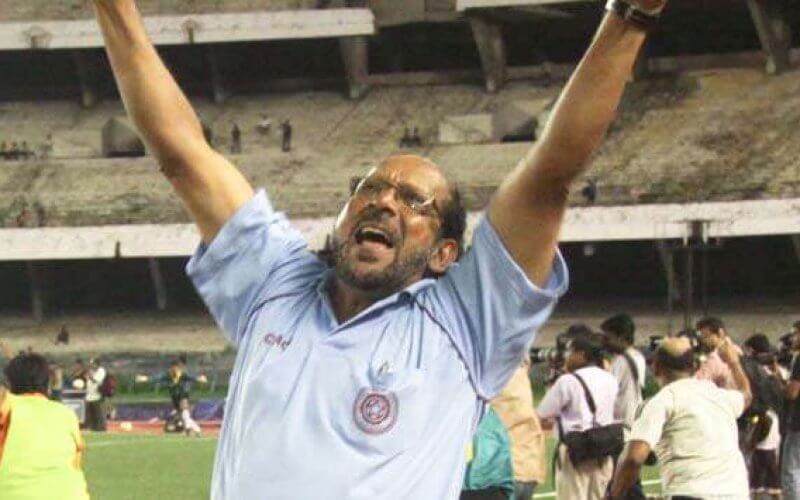
Legendary Hyderabad and India footballer Shabbir Ali is confident that this time too, a positive outcome can be expected
Shabbir confident that MSC will tide over crisis
Mohammedan Sporting, one of the oldest football clubs of India, has decided to shut its football wing due to a financial crisis. A club with 123-year-old history, Mohammedan Sporting has failed to pay salaries to its players and staff from the past three months, the Indian Express had reported in 2014.
April 30, 1974, was a glorious day for India and we still remember it vividly, says Shabbir Ali
But in the past, every time it had faced problems, some Good Samaritans had come forward to pull it back from the brink of complete collapse. Shabbir Ali is confident that this time too, a positive outcome can be expected. But how long this problem will last is anybody’s guess. Meanwhile the players and fans remain on tenterhooks.
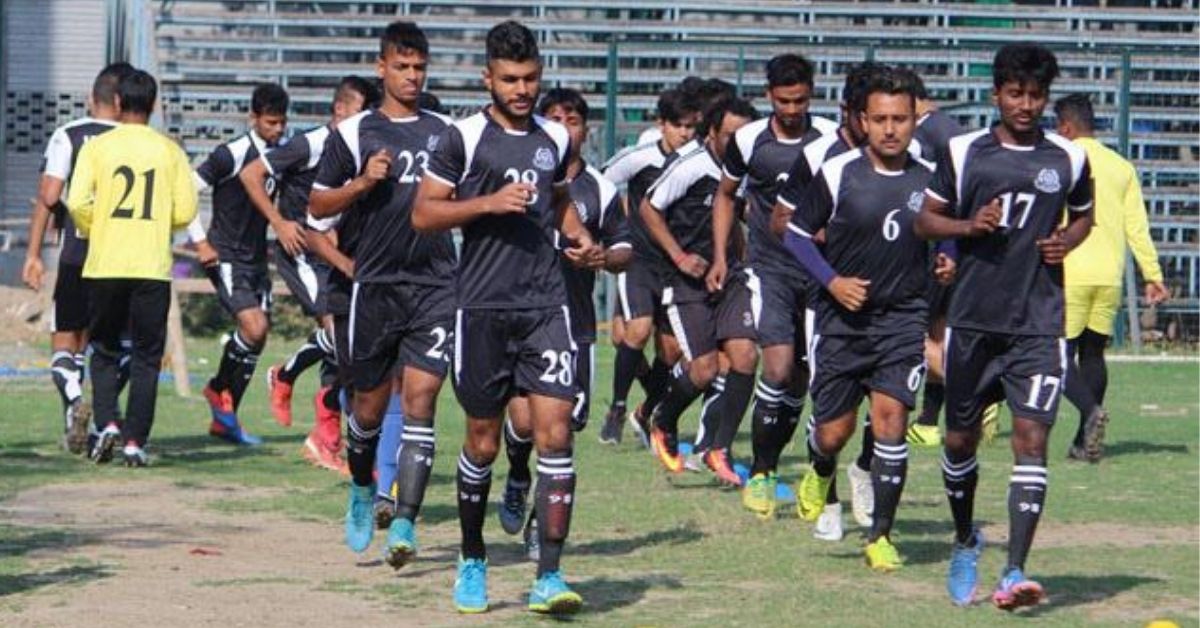

It has been reported on Monday that the players and coaching staff have been assured payment of pending salaries before their next Indian Super League (ISL) fixture against Kerala Blasters on May 10. The players will start training from Tuesday at the club ground ahead of their game against Kerala Blasters. None of the footballers had turned up for training on Saturday as a mark of protest against the non-payment of pending salaries. Head Coach Mehrajuddin Wadoo and goalkeeping coach Subhasish Roychowdhury had to return back after waiting for the players.
Unpaid wages had previously forced players to boycott training sessions ahead of the Super Cup, and now the situation seems to have resurfaced. The problem is not limited to the players alone – it has also affected the coaching and support staff. With salaries remaining unpaid for months, frustration has grown, further disrupting preparations in what has already been a difficult season, says the media report.
The genesis of Mohammedan Sporting
Indeed, Mohammedan Sporting is a club with a great legacy and it has a long and illustrious history behind it. When football clubs such as Mohun Bagan, Aryans, Sovabazar and National had been formed in the 1880s in Kolkata, the Muslim population of the city also wanted to have a club of their own.
Three wealthy and prominent Muslim gentlemen named Khan Bahadur Mohammed Aminul Islam, Maulvi Abdul Ghani and Mohammed Yasin came together to form a club named Jubilee Club in 1887. Two years later the name was changed to Crescent Football Club. From there it became Hamida Club before the name Mohammedan Sporting was finalised in 1891.

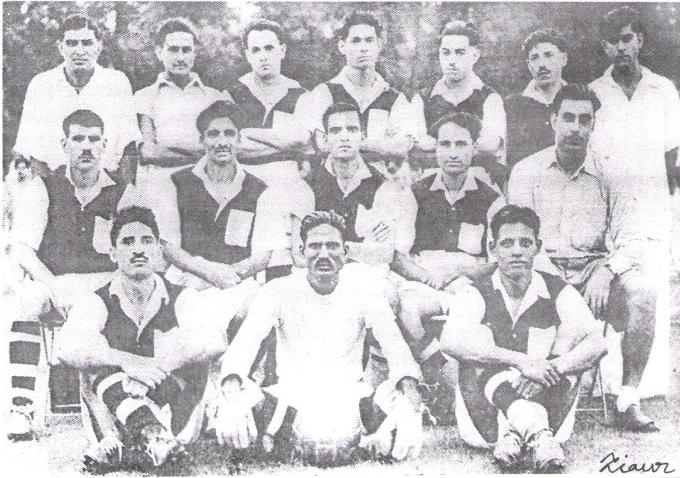
Mohammedan Sporting is a club with a great legacy and it has a long and illustrious history behind it. Pic: The Bridge
For about a decade, the performances and results of the team were not noteworthy. But the club gained prominence only after they won the Cooch Behar Cup in 1902. The Cooch Behar Cup, started in 1893 with the patronage of the Maharaja of Cooch Behar, was the second oldest football tournament of India after the Durand Cup (1888). So, this victory of MSC was seen as a landmark achievement. Two more triumphs followed in the same tournament in 1906 and 1909. In the 1909 final, MSC defeated Mohun Bagan.
However, it was not before 1927 that the financial condition of the club improved and the team was able to play in the second division of the prestigious Calcutta Football League which had been started in 1898.

Around that period, in order to overcome the precarious financial condition of the club, an appeal was made to the public for donations. Thanks to the good display of the players, there were plenty of sympathisers and the management was able to acquire a considerable amount of investment. It got a further boost when the Governor of Bengal, Sir Francis Stanley Jackson agreed to become the patron.
Bengal governor was an Ashes winning captain
Incidentally, this Governor of Bengal, Sir Francis Stanley Jackson, was a multi-talented person. He had been a cricketer in his youth, played alongside W G Grace, and helped Ranjitsinhji to develop his cricket career. Jackson was then appointed captain of England and led them to an Ashes victory in 1905, even though the Australian side had contained the legendary Victor Trumper. Then Jackson had served as an army officer during the second Boer War before joining politics and being appointed Governor of Bengal. As governor, he did his best to encourage sports activities and agreed to become the patron of Mohammedan Sporting.
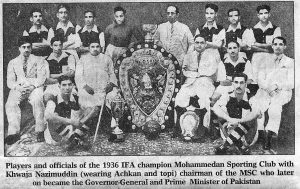

But to get back to the story of the club, its most glorious years were in the 1930s and 1940s. In 1940, MSC capped a wonderful season by winning the most prestigious football trophy in India – the Durand Cup. By defeating the Royal Warwickshire Regiment 2-1 in the final, MSC became the first Indian team to win the Durand Cup. Earlier, only British army units had won the cup. The chief guest, who handed over the trophy to MSC, was the Viceroy of India Lord Linlithgow himself.
MSC’s Salim hypnotized the fans in Scotland
Mohammed Salim, the only Indian footballer in history to have permanently played in an European football league (for Celtic FC in Scotland), came up from the ranks of MSC. When he went to Scotland, he used to play barefoot. At that time, many Indian players played without boots. But the visage of a bare-footed amateur from India competing against Scottish professionals was an unusual sight for spectators.
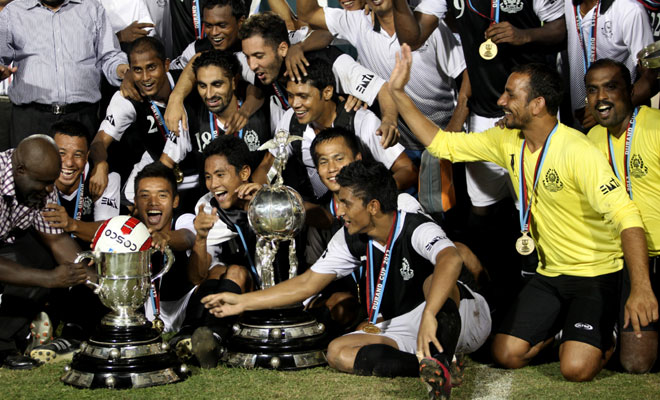

The Scottish Daily Express wrote: “Ten twinkling toes of Salim, Celtic FC’s player from India, hypnotised the crowd at Parkhead last night in an Alliance game with Galston. He balances the ball on his big toe, hops on one foot around the defender, then flicks the ball to the center-forward who has only to send it into goal. Three of Celtic’s seven goals last night came from his moves. But when he was asked to take a penalty, he refused. He said he was shy. Salim does not speak English, his brother translates for him. His brother Hasheem thinks Salim is wonderful – and so did the crowd last night.”
Having made a fantastic first impression in his debut season, Salim even received offers from German football clubs. But he decided to return home because he could not adjust to the food and climate of Europe.
First club to recruit outsiders
Mohammedan Sporting became the first club to bring in players from outside Kolkata. The club sent scouts to spot talent in far corners of India and recruited players from far flung regions like Peshawar, Quetta, Punjab and the southern peninsula. As a result, many players from Bengaluru and Hyderabad got a chance to establish a foothold in the city which was known as the Mecca of football in India.
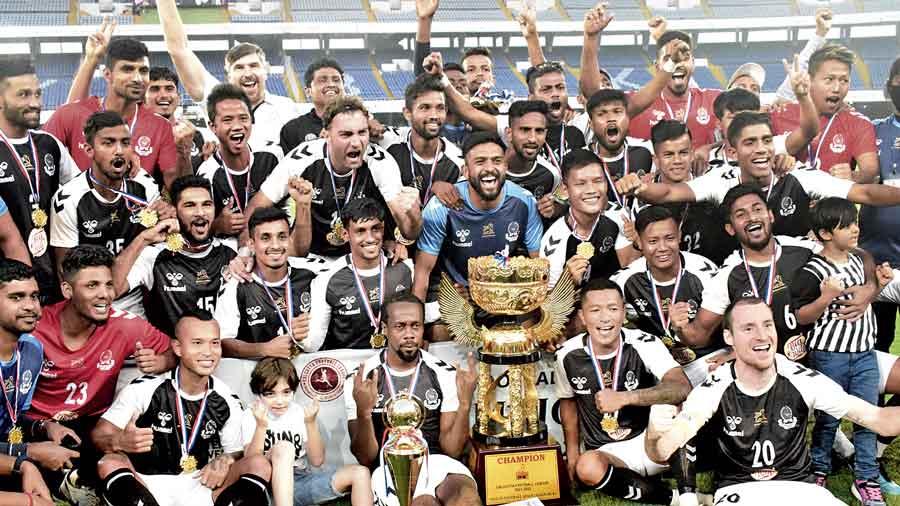

Many top Hyderabad players have donned the MSC jersey. They include the above-mentioned Shabbir Ali as well as Victor Amalraj, his elder brother John Victor (a very strong and composed defender in the 1960s), the brothers Mohammed Habib and Mohammed Akbar, Syed Nayeemuddin, Latifuddin Najam and many others. Amalraj has written in his autobiography ‘Midfield Maestro’, that he felt very much at home in the team hostel of the Mohammedan Sporting club. It was almost as if he was living among members of the Hyderabad team.
Victor urges officials, fans to stay united
When he heard the news about MSC’s problems, Victor Amalraj, who led the club in the 1980s and also captained the Indian team, was very disappointed and sorrowful. Speaking to Khel Khiladis.com, he said: “This great institution with a rich legacy must not fade away. I urge the officials and fans to stay united, overcome the challenges, and work towards attracting strong sponsors. Today, all Hyderabadi footballers stand in solidarity with MSC. With faith, wisdom, and the right support, the club will rise again. May the Almighty bless Mohammedan Sporting Club with strength and a brighter future.”
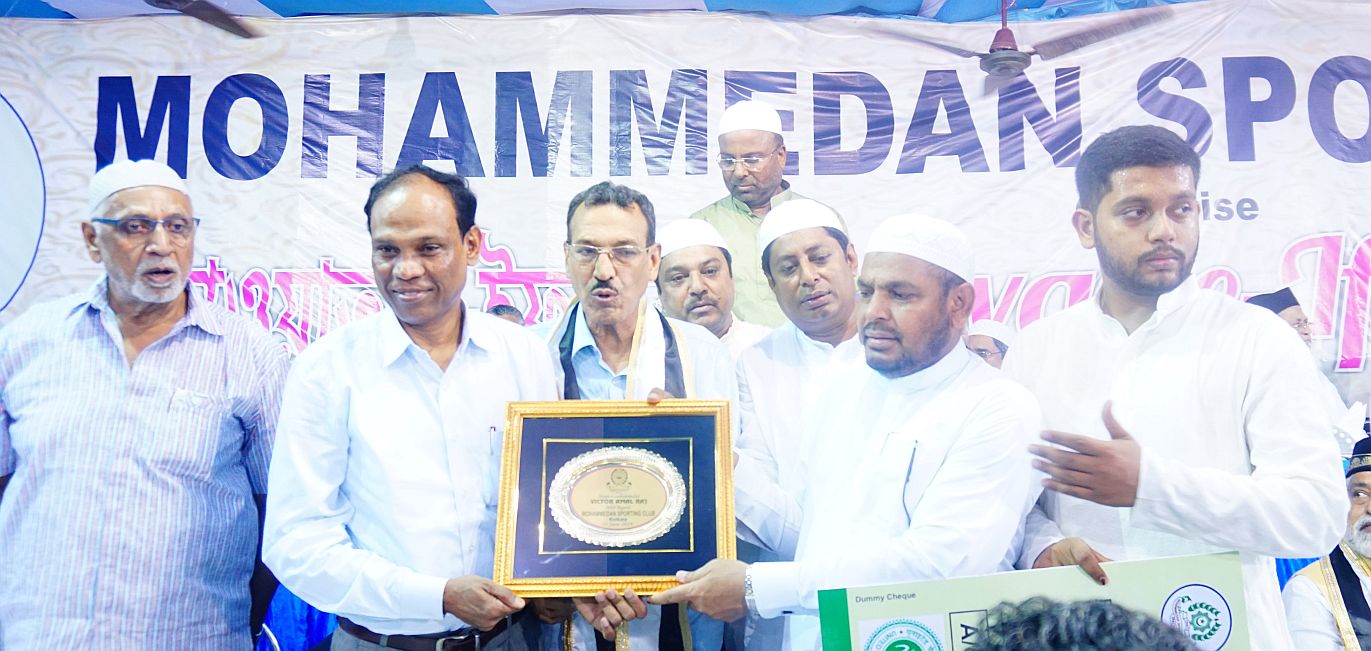

All football fans in India would agree wholeheartedly with these sentiments.