Published: December 18, 2025 at 5:23 pm
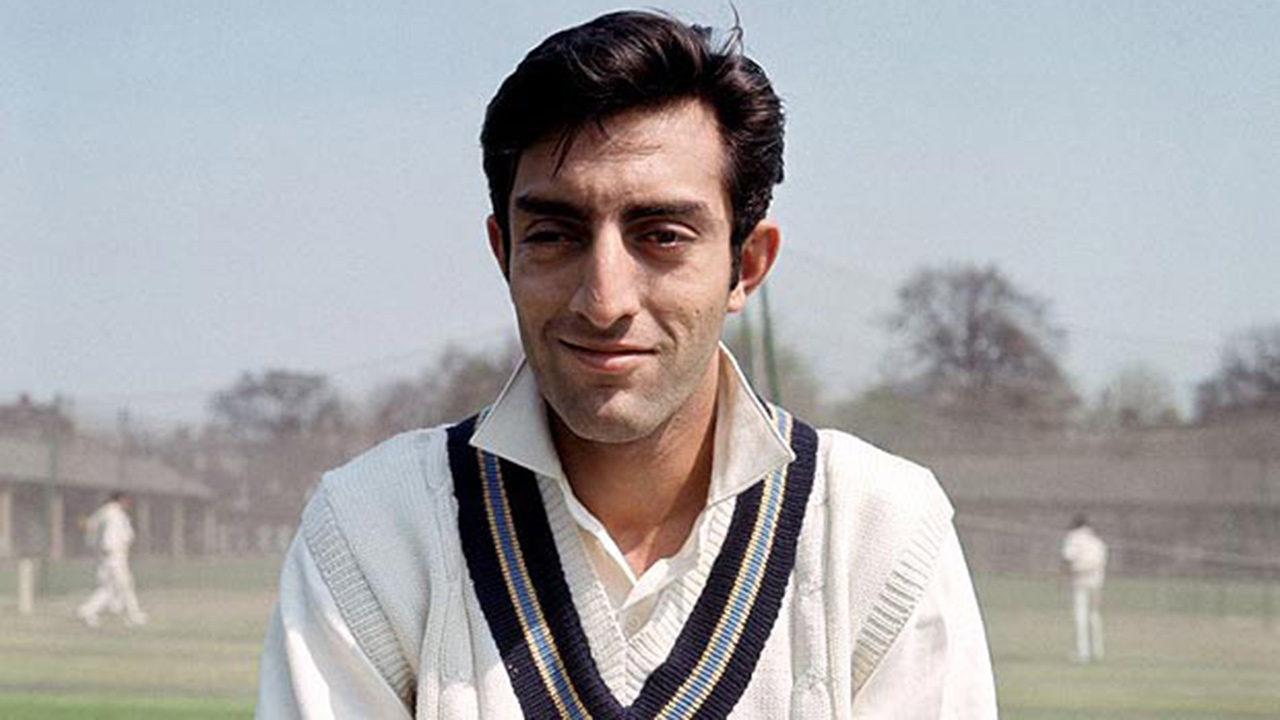
There was something romantic about the cricket in Hyderabad. That charm has, however, faded over the years. Hyderabad cricket’s horizon was illuminated with a galaxy of legends. From the iconic stature and swag of ML Jaisimha to the bustling Mohd Siraj, the rich Hyderabadi flavour always sizzled in the Indian team and spread its aroma across various cricketing banquets in the world. That legacy is nowhere around now.
ML Jaisimha
Hyderabad batters had that rare flair and finesse with the willow. If Md Azharuddin was blessed with that stylish calibre and quality of on drives and exquisite flicks through square leg and fine leg, the highly talented VVS Laxman scintillated the same leg-side region with his awesome array of stroke play. He was class apart and a “cracker” of a batter as former Test star and manager of the Indian Under-19 side Sandeep Patil said at a function in then Bombay. He predicted Laxman would be “my ideal choice as Number 4.” Sandeep placed Laxman above Mumbai’s Amol Majumdar for selection in the Indian team.
There was a time..
There was a time when Hyderabad had the maximum number of players in the Indian teams to the West Indies and England, in 1971. The Nawab of Pataudi was a great attraction whenever he played at the Lal Bahadur Stadium. He was like a panther on the field. One of the quickest and sharpest fielders in the covers and the square leg region. His presence added some dignity, charm prestige and strength to the side he played for.
Abbas Ali Baig had his own grace and cricketing virtues. When at the crease, runs were assured and the enigmatic smile just spread his charisma across the whole field. Habeeb Ahmed was debonair. So was the dashing Nagesh Hammand, elegant Govindraj, enchanting Mumtaz Hussain, cherubic Jayantilal and the handsome Noshir Mehta. Each had the stardom of their own. There was a kind of magic in their supple torso, willow and wrist.
Abid Ali was the fittest of them all. Strong as an ox, he would run up and down the LB Stadium stands, almost the whole way around. Sometimes he would take the flight of steps on the now forgotten Naubat Pahad. Whether it was a league encounter, Ranji Trophy game or a Test match, he exhibited the same enthusiasm and ebullience. Close fielding was the hallmark of his pedigree. He snapped up catches as if he had a transmitter in him and always knew when a snick came his way. Such was his alacrity.
Abbas Ali Baig
P Krishnamurthy was another hardworking wicket-keeper batter who had his own style. Standing close to the stumps even to pace bowlers was his way and injuries on his face and fingers made his day.
Those were the days….
Another landmark that has gone into oblivion is the Ritz Hotel, where many cricket teams stayed. Then came the Dwarka and Nagarjuna Hotels, where the teams had stayed.
Those were the days when the Moin-Ud-Dowla Gold Cup had a unique and glorious aura. Every big name in Indian cricket waited for this blue riband of Hyderabad cricket to unfold. From Bombay to Delhi and from Madras and Bangalore to Bengal, every stalwart made their appearance in the tournament. VST had many promising Indian youngsters cut their teeth under the illustrious Pataudi and the gutsy but sauve Chandu Borde.
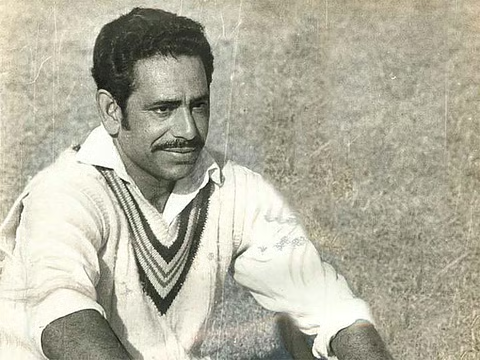
Abid Ali
The camaraderie amongst the young and senior cricketers was well in evidence at the dining hall of the Fateh Maidan Club, where we reporters were privileged to mingle with the star cricketers from different States. The press box was one of the highly perched stations in the country. During big games beer flowed and the copy of the country’s cricket writers just ripped off the typewriters with flowery language. The Englishmen had their odd deadlines. Those were days when the laptops were just making their appearance. An English reporter, once when his laptop was giving him some problem, threw it down from the press box in frustration.
Those were the days of telexes and faxes and the rush to get one’s copy out was a real challenge. Internet and wi-fi brought about a glorious transformation in sending your reports across to your offices. Before all this were the telegraph ticker system. This method invariably delayed our reports reaching the office. Specially, when covering matches in districts, it was trunk calls, before the STD service started. We always had to rush to the post office from the ground and give the operator the match reports. Then he would sit and type out again to the telegraph office.
Those were indeed the most romantic and memorable days. Jaane kahan gaye woh din!!!