Other Sports
India’s sports boom needs more than athletes; it needs trained broadcast professionals

India’s sports ecosystem is expanding at a remarkable pace. New leagues are emerging, existing competitions are attracting larger audiences, and more sports are finding space across television and digital platforms. But while much of the attention remains on athletes and teams, there is another part of this ecosystem that deserves greater focus: the professionals who bring live sport to the audience.
A great sporting moment is only as effective for the viewer as the broadcast that captures it. Behind every live match is a team of camera operators, replay operators, graphics professionals, audio engineers, vision mixers and production managers making decisions in real time. As the number of sporting events grows, India will need a much larger pool of professionals who understand not just broadcasting, but the specific demands of live sports production.
The scale of sports consumption makes this need clear. IPL 2026 reached a total audience of 1.06 billion across television and online streaming. Pro Kabaddi, the Prime Volleyball League and several other domestic and international competitions are also contributing to an increasingly busy live sports calendar.
More matches naturally mean more production requirements. But adding more people to production teams is not enough. The industry needs people who understand the sport, can anticipate what is about to happen and can make the right decision within seconds.

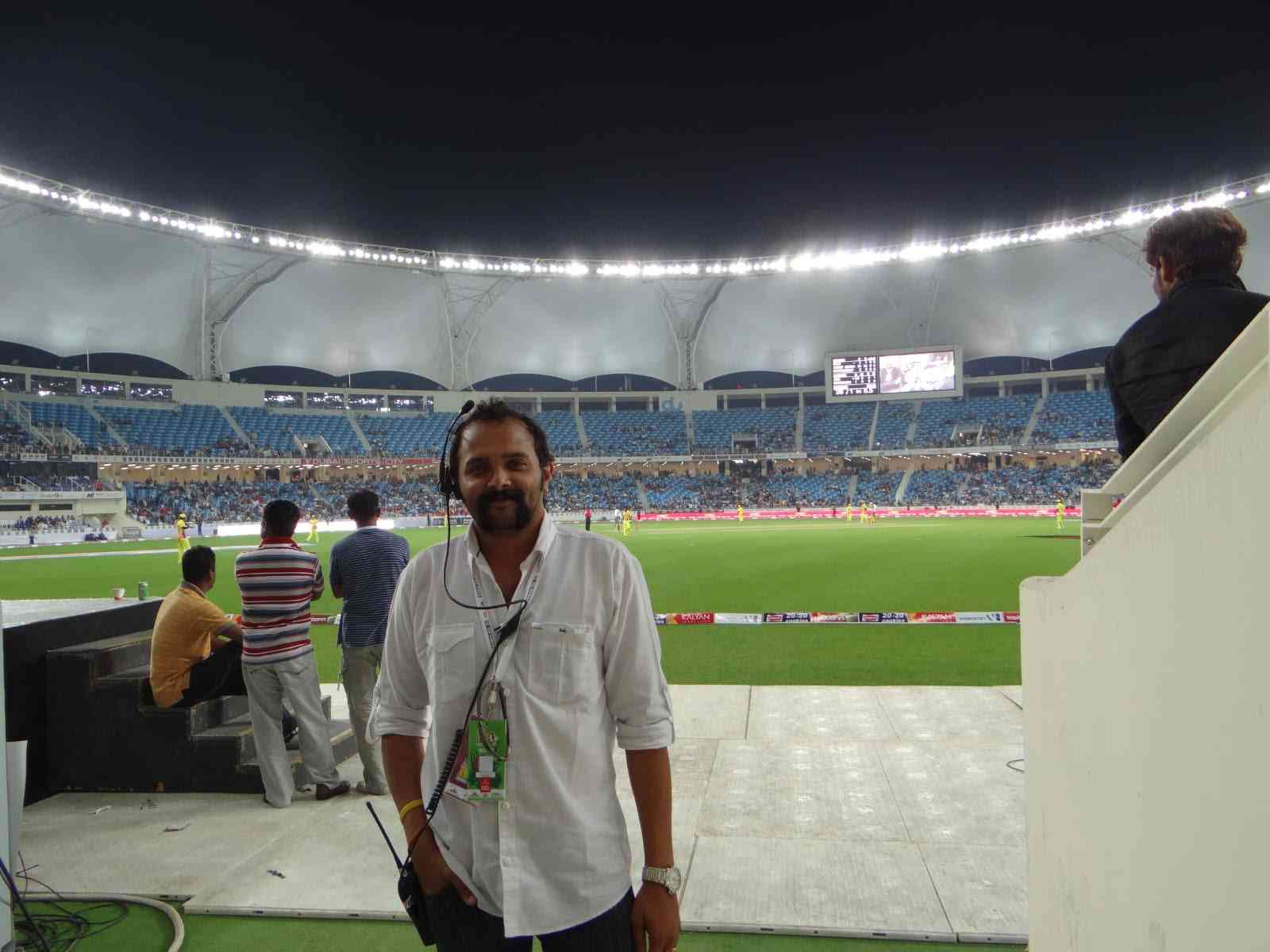
Knowing when to use a close-up, when to pull back and when to anticipate the next phase of play comes from understanding the sport and experiencing live production
Take kabaddi, for example. A raid can develop and finish within moments, with several players involved in a single sequence. For the viewer, understanding who was tagged or how a referee arrived at a decision can sometimes depend entirely on the replay shown. The replay operator, therefore, needs to identify the right moment and angle almost immediately.
The same applies to camera direction. In volleyball, a tight shot of a hitter may look visually appealing but could miss the block that actually determines the point. In football, simply following the ball may not always tell the complete story. Knowing when to use a close-up, when to pull back and when to anticipate the next phase of play comes from understanding the sport and experiencing live production.
This is where I believe we have an important opportunity to strengthen India’s sports ecosystem.
Live sports production needs to be learnt under supervision
Live sports production cannot be learnt entirely through theory. Technical knowledge is important, but the pressure and unpredictability of a live match can only truly be understood through experience. There is no opportunity to stop the action, repeat a moment or correct a missed shot.
Young professionals therefore need supervised exposure to actual sporting events. They need to experience how a production team communicates, how decisions are made under pressure and how different departments work together to create one broadcast.

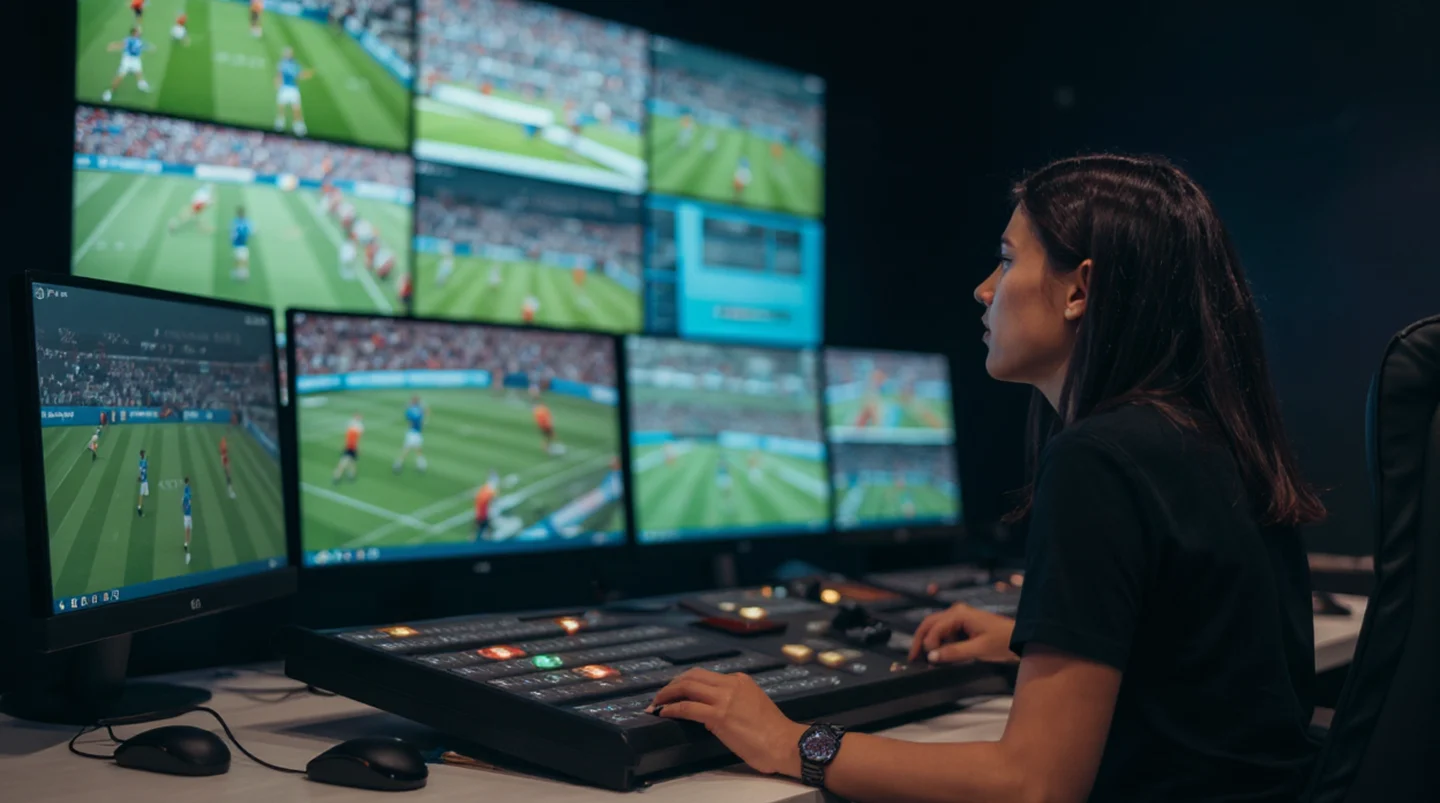
At the Indian Institute of Live Sports Production and Broadcasting (IILSPB), our focus is dedicated exclusively to live sports production and broadcasting
At the Indian Institute of Live Sports Production and Broadcasting (IILSPB), our focus is dedicated exclusively to live sports production and broadcasting. We believe aspiring professionals need specialised training that connects technical knowledge with the realities of live sports production.
One of the most valuable parts of this learning process is the opportunity to review a production after the event. A trainee may realise that a camera missed an important moment, that a different angle would have provided better context or that a particular decision could have been made faster. Reviewing these situations with experienced professionals turns mistakes into learning opportunities.
Training also needs to give young professionals a realistic understanding of the industry. A career in sports broadcasting does not always begin with a specialised position. Many professionals start as production runners or camera assistants and gradually move into roles such as replay operator, graphics operator, vision mixer or lead camera operator. With experience, some progress towards senior replay, technical direction and production management roles.
The industry can also do more to create structured pathways between training and employment. Supervised and paid placements would allow young professionals to gain meaningful experience while giving production companies an opportunity to evaluate their capabilities. Before working independently, trainees should ideally demonstrate their skills across multiple matches and build a portfolio of actual production work.
This is particularly important as more sports look to grow their audiences. A broadcast is not simply a technical transmission of what happens on the field. It helps explain the sport, create context and make the experience accessible to viewers, including those who may be watching a particular sport for the first time.
Investment needed in the people working behind the screen
India has already invested heavily in athletes, coaches, sporting infrastructure and competitions. The next stage of that growth should include greater investment in the people working behind the screen.

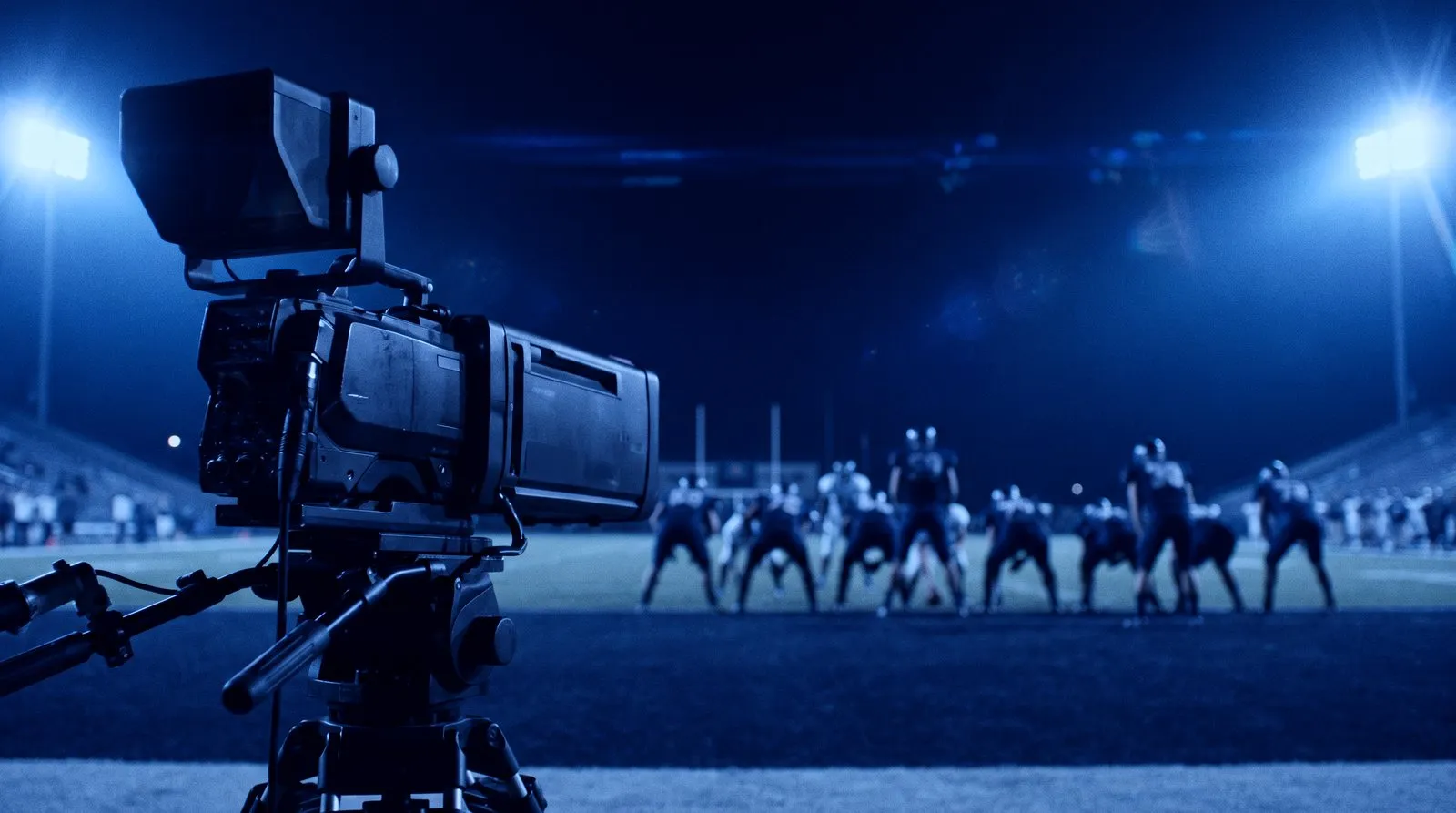
The people behind the screen are an essential part of that ecosystem trained professionals who can capture the action, tell the story and showcase Indian sport to a global audience
While the whole country is building stadiums, leagues, sporting infrastructure and the systems around them, India also needs to build the human pipeline that can bring these developments to the world. The people behind the screen are an essential part of that ecosystem trained professionals who can capture the action, tell the story and showcase Indian sport to a global audience.
The future of Indian sport will not be built only by those competing on the field. It will also depend on the professionals who know how to capture the action, understand the moment and bring it to audiences with clarity.
If India wants its sports ecosystem to mature, building a strong and specialised live sports broadcasting workforce must be part of that journey.