Exclusive
Citadels Without Fire: How the YMCAs in Hyderabad have lost their sporting soul

YMCAs were once citadels of character. Places where discipline was drilled, confidence cultivated, and leadership forged long before “personality development” became a corporate cliché. These were the institutions that shaped men, not merely bodies.
For two generations, young boys filled their vast campuses, honing not only athletic skills but the art of public speaking, debate, and civic responsibility. The porticos breathed history; the corridors echoed with ambition. Sport and speech grew side by side, each reinforcing the other.
The Young Men’s Christian Associations stood for uncompromising values. Membership came with conditions — no smoking, no alcohol. A lapse meant exclusion. Discipline was non-negotiable; character came first.
But time has been unkind.
YMCAs have lost much of their ‘ground’
The premier YMCAs of Secunderabad and Greater Hyderabad have lost much of their ground — quite literally — and with it, their sporting fire. An old-timer walking into these once-hallowed precincts today will immediately sense the void. The energy has drained. The old-world charm has vanished.

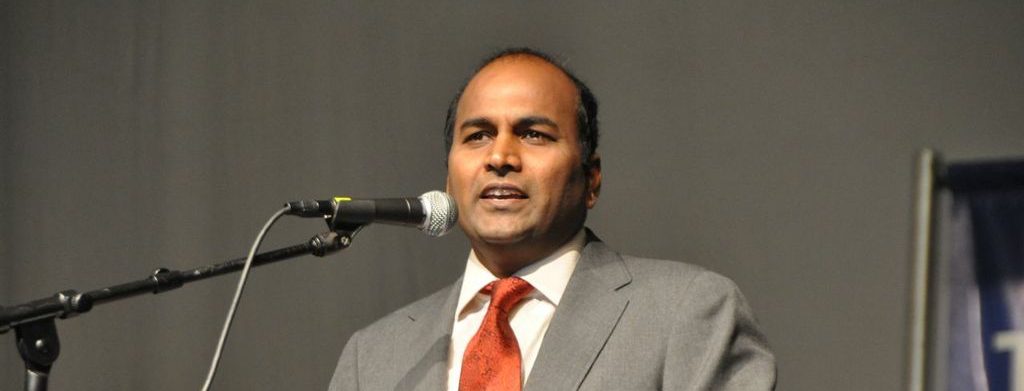
Sunil Robert, now an internationally acclaimed author and motivational speaker, took his first steps at the YMCA
Built in the British era, the Secunderabad YMCA was once a buzzing nerve centre of Rotaract and Toastmasters. It was here that Sunil Robert, now an internationally acclaimed author and motivational speaker, took his first steps. Scores of eloquent speakers and leaders trace their confidence and careers to these humble beginnings.
Parallel institutions — Hi-Y, Uni-Y, and the Young Orators Club — kept the flame alive with regular debates, elocution contests, quizzes, and speaking sessions. Stage fright was dismantled systematically. Some youngsters rose so rapidly that they became the envy of their neighbourhoods.
Basketball flourished at YMCAs
Few may remember that basketball itself was born at a YMCA — invented by Dr James Naismith at Springfield, Massachusetts. Fittingly, YMCAs across the world became the game’s natural homes. In Hyderabad, basketball did more than survive — it flourished.


A walking encyclopedia of rules, G M Sampath Kumar’s mastery earned him a place on the Technical Committee of the Basketball Federation of India
The YMCA Boys’ Home in Secunderabad housed nearly 20 budding basketballers who went on to represent the erstwhile Andhra Pradesh. The sport thrived because administrators lived nearby and invested personal time and passion into its growth.
GM Sampath Kumar was a towering figure
Towering over all was G M Sampath Kumar, long-serving secretary of the Andhra Pradesh Basketball Association. Dawn was his domain. Every morning, without fail, he taught youngsters the nuances of the game. A walking encyclopedia of rules, his mastery earned him a place on the Technical Committee of the Basketball Federation of India.
He was not alone. Y D James, Maj Ananth Rao, N E Samuel, B G Edwards — whose whistle never erred — boxer Sam Luck, Thiagarajan, Khader, Walter Daniel, and Samuel Mark formed a committed band of officials. Edwards, in particular, was feared and respected — spotting double dribbles, obstructions, and three-second violations with surgical precision.


Egbert Samraj ran the YMCAs with rare efficiency
From these dusty mud courts emerged players of stature: Gyan Dev, Md Rizwan, B M Vinaysagar, D P Irani, Allen, Prem Krupakar, L C Umakanth, and Norman Isaac — today the man steering Telangana basketball and the first Indian to be FIBA’s Technical Delegate. When a cement court finally came up in 1975, it felt like a dream fulfilled in an era when pooling money itself was a battle.
DP Irani was the first Olympian from YMCA
Little known is the fact that D P Irani became the first Olympian from the YMCA, representing India at the Moscow Olympics — the first and only time Indian basketball made an Olympic appearance.


At Secunderabad, David Raj administered operations with quiet competence
Sarabjit Singh of EME Centre, coached by Sampath Kumar at Secunderabad YMCA, went on to become India’s first Arjuna Award winner in basketball. Army units such as AOC Centre and Artillery Centre regularly featured in leagues and tournaments. Varun Dev remains the last local YMCA lad to don Indian colours.
Such was the strength of the YMCA squad that it went toe-to-toe with giants like Western Railway and Bhilai Steel Plant. Railway legends Abbas Moontasir, Riaz Ahmed, and Javed Akhtar — models of humility — slept on YMCA floors during tournaments. India’s tallest basketballer, the seven-foot S K Panda, and rebound king T Vijayaraghavan stayed in modest rooms at the dingy Garden Restaurant opposite the YMCA.
https://khelkhiladis.com/ground-realities-of-the-days-gone-by/
Under the stewardship of the late Baddam Jayakar, along with K K Abraham, the YMCA staged marquee events — South Zone, Inter-Zone, and the prestigious All India Golconda Cup — drawing the nation’s finest talent.

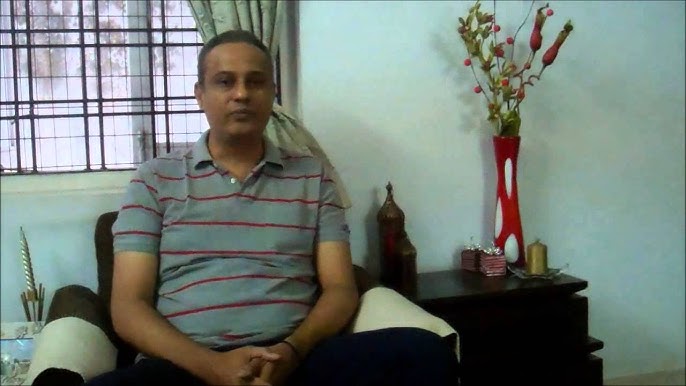
Mohd Rizwan who went on to become India’s basketball captain
YMCA Narayanguda too was a sports hotspot
YMCA Narayanguda, too, was a sporting hotspot — basketball, volleyball, badminton, table tennis, chess — all thrived. Khader Abdullah, Mumtaz-ul-Haq, Taqui, and Swamy kept basketball alive as referees, while the immensely popular Egbert Samraj, first at Secunderabad and later at Greater Hyderabad YMCA, ran affairs with rare efficiency. At Secunderabad, David Raj administered operations with quiet competence.
Hyderabad YMCA was synonymous with table tennis excellence. Arjuna Awardee Mir Khasim Ali, Dilip Raj Saxena, N V Ashok, Yahya Khan, and K Subhash Reddy ruled the tables, followed by Y D Upendernath, Nagender Reddy, Ibrahim Ali Khan, and Amrullah Dastani. Women players Aseema and Yasmin carved their own space, while Secunderabad YMCA produced national-level stars B Usha and Savithri.

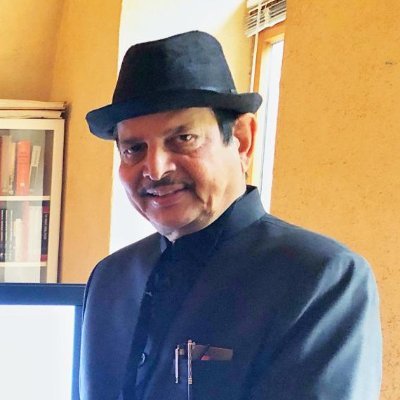
India’s tallest basketballer, the seven-foot S K Panda, and rebound king T Vijayaraghavan (in pic) stayed in modest rooms at the dingy Garden Restaurant
Both YMCAs regularly conducted ranking tournaments — a tradition that has vanished. Chess boomed under Nasiruddin Ghalib and Mohammed Hassan. Soft-spoken Nagaraj coached table tennis without charging a rupee, grooming a generation of talent. Baba Ravinder did the same for basketball, selflessly and tirelessly.
Secunderabad YMCA was the first to boast a cement court and a traditional gym with Indian clubs and barbells — long before commercial gyms mushroomed across the city. It hosted classic clashes between Bank, Railway and Army teams that are still spoken of in reverent tones.


Norman Isaac is the Indian to be FIBA’s Technical Delegate. He is also the general secretary of the Hyderabad District Basketball Association
Development cannot come at cost of playgrounds
Today, much of this sporting space has been swallowed by road widening. Children, especially, have been robbed of morning play during vacations. Other once-famous grounds — Mushirabad, Sanathnagar, City College — have suffered similar fates.
The state government must take note. Development cannot come at the cost of playgrounds. If places of worship can be relocated, surely sporting institutions can be compensated with equivalent land nearby. It may sound like asking for the moon — but these are among the last open spaces left.

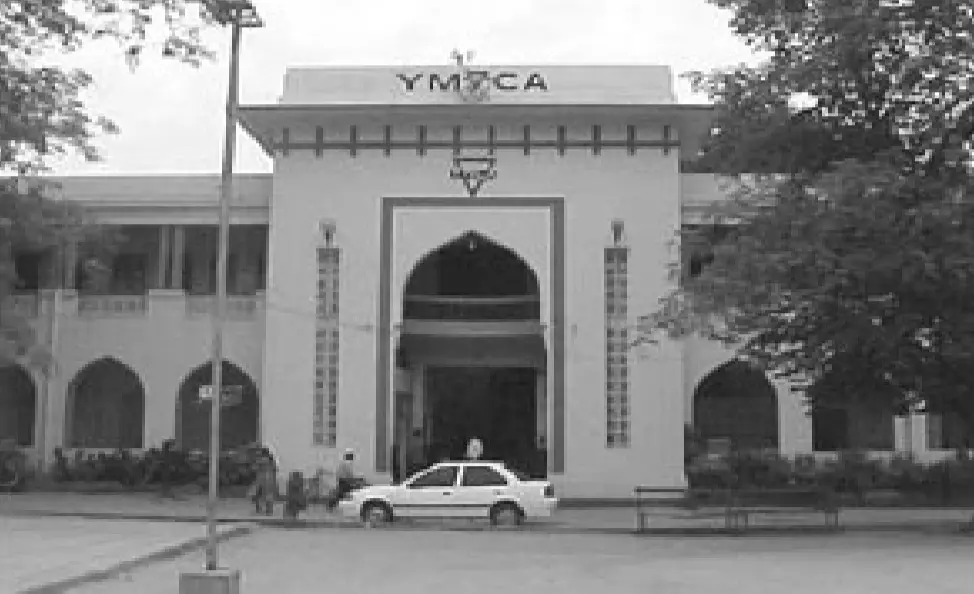
The state government must take note. Development cannot come at the cost of playgrounds
Ironically, even so-called international schools today lack proper playgrounds. If we erase these arenas, we erase not just sport — but discipline, leadership, and legacy.
And once lost, that fire may never return.