Published: February 20, 2026 at 1:06 pm
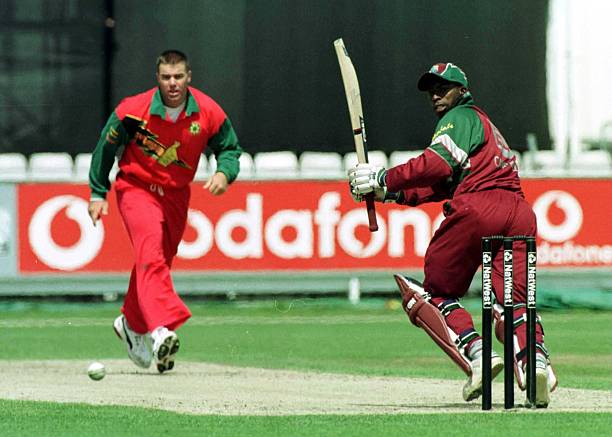
Mention of the Zimbabwe cricket team brings back memories of Heath Streak, the Flower brothers – Andy and Grant, Neil Johnson, Henry Olonga and John Traicos. Hyderabad fans may remember a great knock of 142 that wicketkeeper David Houghton compiled against New Zealand in the Reliance World Cup in 1987 at the Lal Bahadur Shastri stadium. And nobody can forget that it was against Zimbabwe that Kapil Dev played his epic innings of 175 during the Prudential World Cup in 1983.
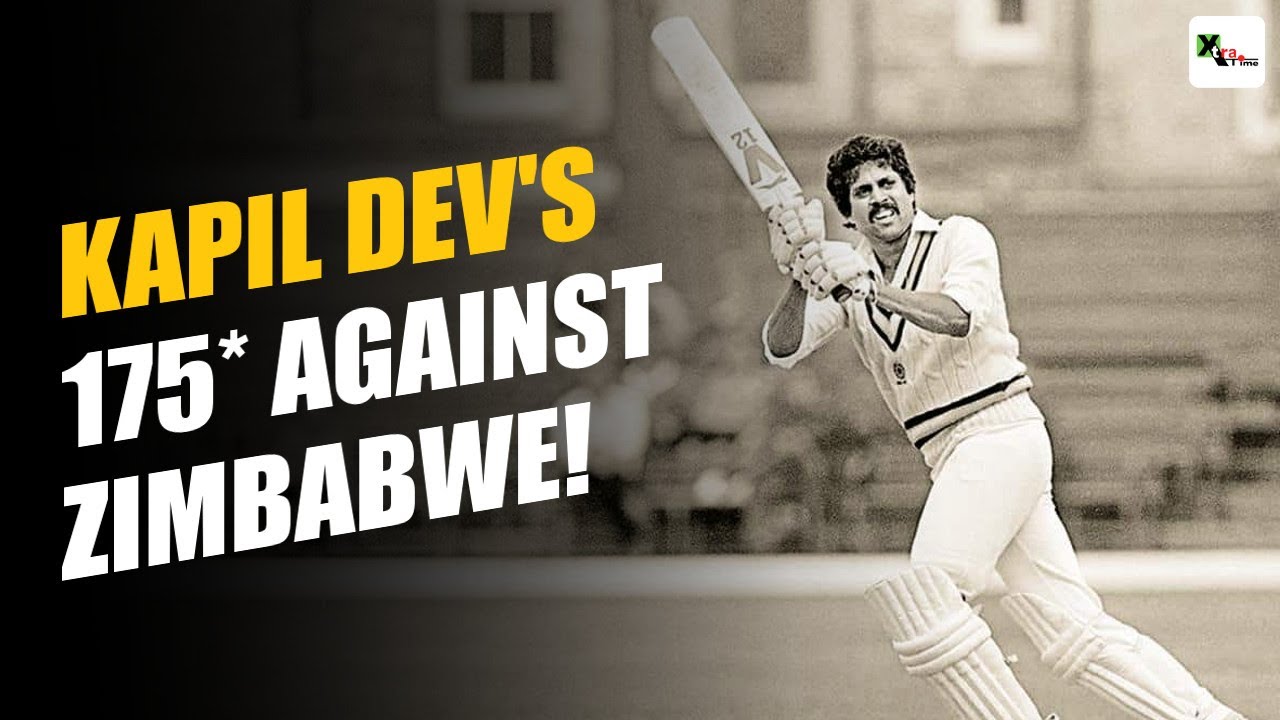
Kapil Dev’s epic 175 not out was the turning point of India’s campaign in the 1983 Prudential World Cup
Zimbabwe’s cricket story has been identical to a roller-coaster ride. Perhaps with even more ups and downs. The striking aspect of Zimbabwe’s cricket is that it always had excellent individual players but as a team, it never could make a big impact.
The former wicketkeeper-batter Andy Flower was rated among the world’s best batters during his heyday. His brother Grant Flower, allrounders Andy Blignaut and Heath Streak, batters Murray Goodwin and David Houghton (who holds the record for the highest individual Test score of 266 against Sri Lanka) and fast bowler Edo Brandes were players who were capable of doing well against the best teams in the world.
Zimbabwe was granted Test status by the ICC in July 1992 and played its first Test match in October that year, against India in Harare. But Zimbabwe’s Test performances were not up to the mark. Out of their first 30 Test matches, they won just one, at home against Pakistan in 1995. Their ODI record was somewhat better.
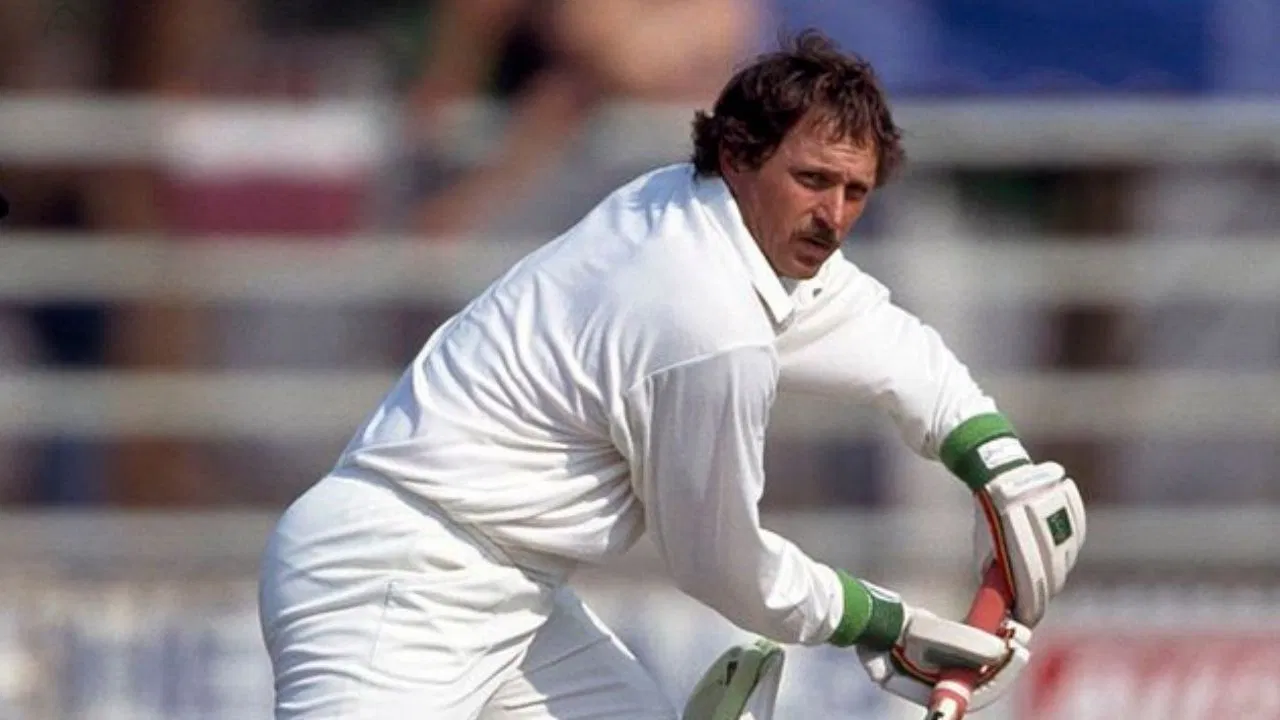
Dave Houghton is remembered by Hyderabad fans for the great knock of 142 he scored against New Zealand in the Reliance World Cup in 1987 at the Lal Bahadur Shastri stadium. Pic: ICC
Zimbabwe faced a period of decline
However, after 2004, the team declined. Political unrest was the cause. Politicization of cricket, race issues, and other factors disrupted the 2003 World Cup where Zimbabwe was one of the hosts. England forfeited a match citing “security concerns” while in one contest, Andy Flower and Henry Olonga wore black armbands to protest the death of democracy. Both were dismissed from the team and applied for political asylum overseas.
These upheavals ruined the progress of the game. But now, in the 2026 T20 World Cup, they seem to have hit a purple patch. But how did this team climb to such heights? The journey began in the gruelling sub-regional qualifiers in Kenya. Against the likes of Rwanda and Tanzania, Zimbabwe began a streak that has now stretched to a staggering 13-0 in this World Cup cycle.
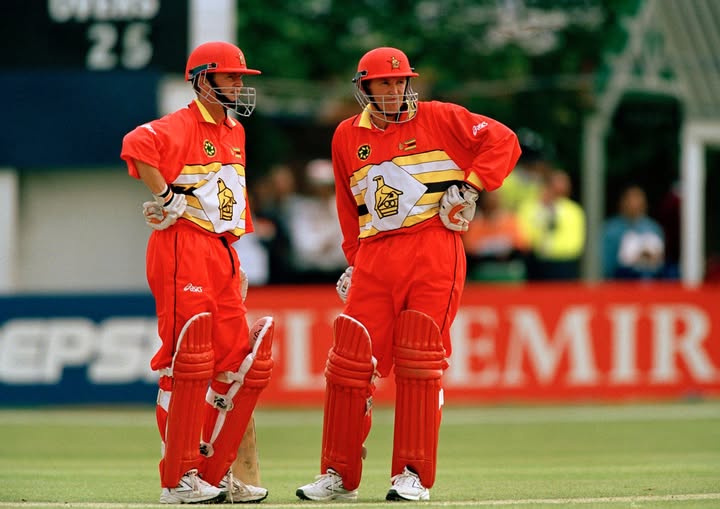
Andy and Grant Flower shouldered the team for many years. Wicketkeeper-batter Andy Flower was rated among the world’s best batters during his heyday. Pic: ICC
Giant killing act by Zimbabwe
Under its first foreign-born captain Sikandar Raza, the team has entered the Super 8 stage in style. One of the outstanding victories was a giant killing act against cricket’s superpower Australia in a Group B match.
Opener Brian Bennet gave the team a solid start with a knock of 64 not out in 56 balls. The Aussie bowlers had no clue against him and the team reached 169 for 2. When Australia began chasing, they ran into trouble against the tall Blessing Muzarabani.
Brought back memories of Joel Garner
The young giant, who brought back to mind the memories of West Indian legend Joel Garner, dismissed Josh Inglis, Tim David, top scorer Matt Renshaw and Adam Zampa. Muzarabani’s performance of 4-0-17-4 dashed whatever hopes Australia had of winning the battle. The Aussies lost the battle by 23 runs.

Having played for the national team since 2017, and also gained experience in the PSL, Blessing Muzarabani, the spearhead of the Zimbabwe pace attack seems like to go far in the game. Pic: ICC
The 29-year-old fast bowler is 6 feet 8 inches tall and can get the ball to bounce awkwardly even on unhelpful pitches. Having played for the national team since 2017, and also gained experience in the PSL, this spearhead of the Zimbabwe pace attack seems like to go far in the game. In 2025, he was signed by RCB in the IPL as a replacement for Lungi Ngidi.
Sikandar Raza has transformed the side
It is often said that every team reflects the attitude of its leader. Pakistan-born Sikandar Raza has been an inspirational figure in the Zimbabwe side. His positive attitude and energy has transformed the side and given them a new hope.
Raza was born in Sialkot, Pakistan, and studied at the Pakistan Air Force Public School because his dream was to become an air force pilot. But his dream died the day he was found to have a vision problem that ruled him out of a career in the air force.
In 2002, Raza moved with his family to Zimbabwe. But he went to Scotland to acquire a degree in software engineering and began playing cricket seriously. It was then that he realised that he had the potential to become a top-level cricketer.
After he returned to Zimbabwe, he made his Test debut in 2013 against his home country of Pakistan at Harare. Raza made his T20I debut against Bangladesh in the same year. Since then, he has played T20 leagues in Pakistan, Bangladesh and India.
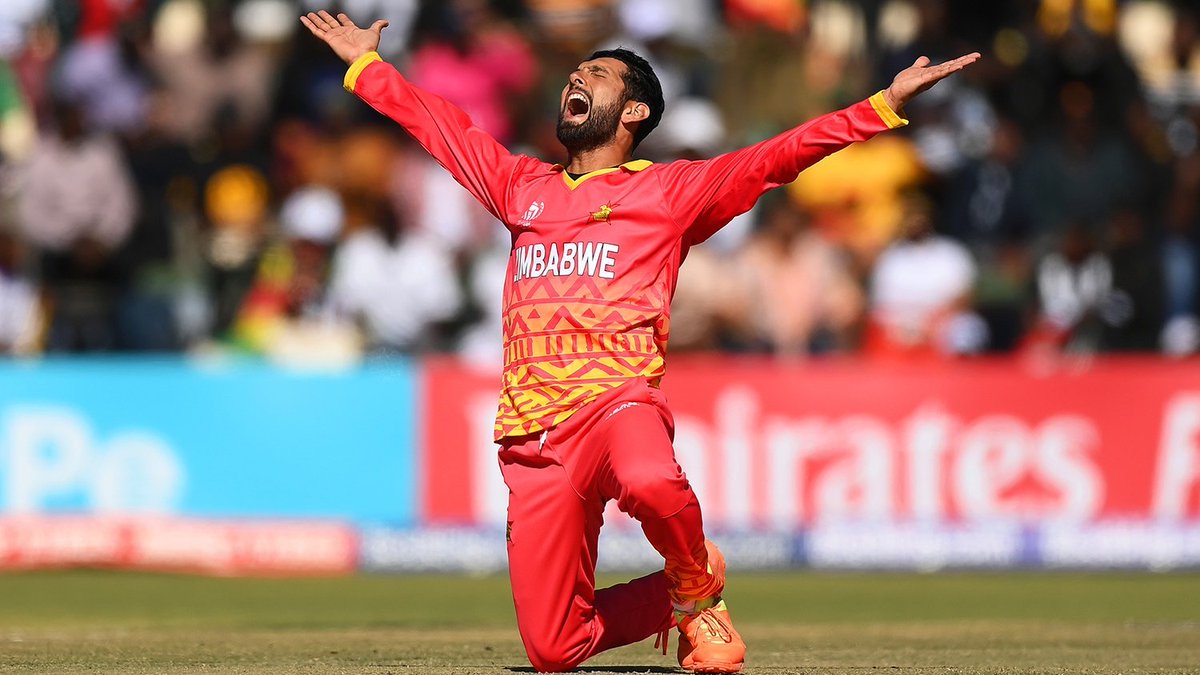
Sikandar Raza says that the victories over Australia and Sri Lanka have filled his team with confidence and pride. Pic: ICC
As a batting all-rounder, Raza has excelled in the T20 format. In 2023, Raza was appointed captain of the T20 squad. He had earlier been stand-in captain but this time he was the first choice of the selectors.
He says that the victories over Australia and Sri Lanka have filled his team with confidence and pride. The winning mood has taken the players in its grip and once that energy and euphoria set in, the sky’s the limit. The African lions are on the prowl. Now it is for India to devise ways and means to tackle the threat when the two teams clash on Thursday.
The last time when India and Zimbabwe played against each other in India was 24 years ago. It was in 2002 and the younger players in this team may not have been born then.