Other Sports
Asian Games 2026 countdown: India trains its guns on 100 medals, but can it be done?

The stage is set for a grand opening of the Asian Games beginning on September 19, 2026, in Aichi-Nagoya in Japan. This will be the 75th edition of the Games which is the second biggest multi-discipline sports event in the world after the Olympic Games.
https://x.com/SonySportsNetwk/status/2100500166738587898?s=20
India will go into the Asian Games with a sizeable contingent of athletes hoping to again cross the 100-medal mark after the record haul of 107 medals at Hangzhou in 2022. India’s strongest prospects are in the disciplines of shooting, archery, badminton, boxing, wrestling, weightlifting, hockey, athletics, cricket and kabaddi. We will look at India’s prospects in the various disciplines.

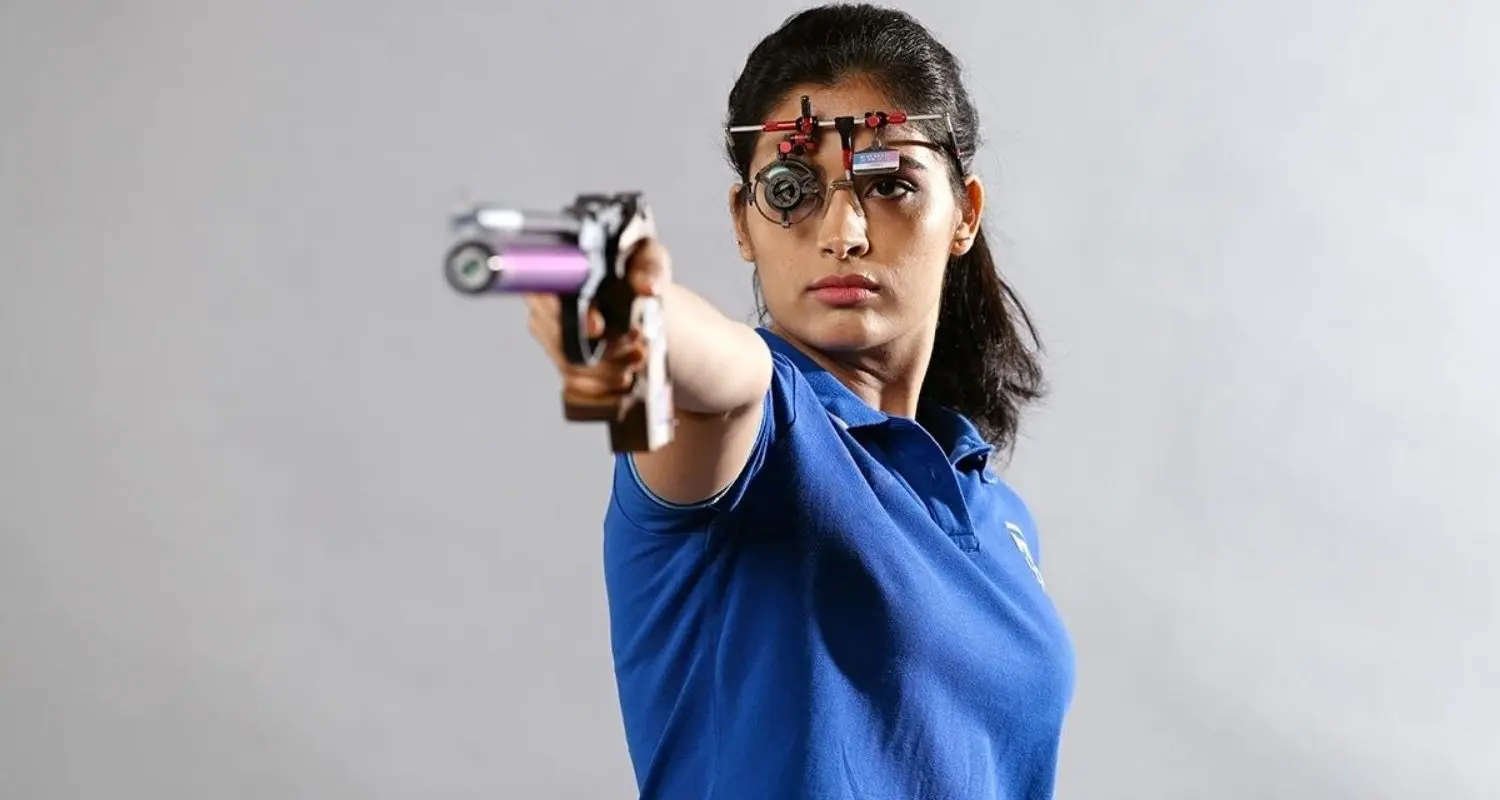
Manu Bhaker is one of India’s leading medal hopes
Shooting: All eyes on Manu Bhaker
One of the leading names in shooting is undoubtedly Manu Bhaker. After her two Olympic medals in Paris, Bhaker is naturally one of India’s biggest names who will be in action at the shooting ranges in Japan. The shooting competition is expected to be one of India’s major sources of medals, although Asian shooting is exceptionally strong, particularly because of China and Korea. Recent assessments specifically identify Bhaker as one of India’s leading medal hopes.
https://x.com/TheKhelIndia/status/2100434449104343192?s=20
The Asian Games will also mark India’s first major assignment without coach Jaspal Rana, whose death has left a void in the pistol setup. Rana’s absence will inevitably put the spotlight on Manu Bhaker, his most successful ward.
Hyderabad lass Esha is a strong contender
Then there is Esha Singh. She may be one of the most interesting Indian prospects. Esha was born to Sachin Singh and Srilatha in Hyderabad. Her father was a rally driver and before she took up shooting, Esha also tried out motorsports, badminton, tennis and skating. But a visit to the shooting range at Gachibowli stadium changed her mind and she took up air pistol shooting as the sort of her choice. She trained at the stadium and later joined the Gun for Glory academy run by former Olympic medallist Gagan Narang who is also a Hyderabadi.
Esha Singh strikes gold, Manu Bhaker claims bronze at ISSF World Cup Hangzhou
Esha enters the Games ranked world No. 1 in the women’s 25m pistol and No. 2 in 10m air pistol. She already won two individual silver medals and a team gold at Hangzhou. Her recent form includes a World Championship bronze, two World Cup titles and a world-record score. Her coach Ronak Pandit has stressed the importance of maintaining composure under the rising pressure of expectations on the 21-year-old Hyderabad lass.

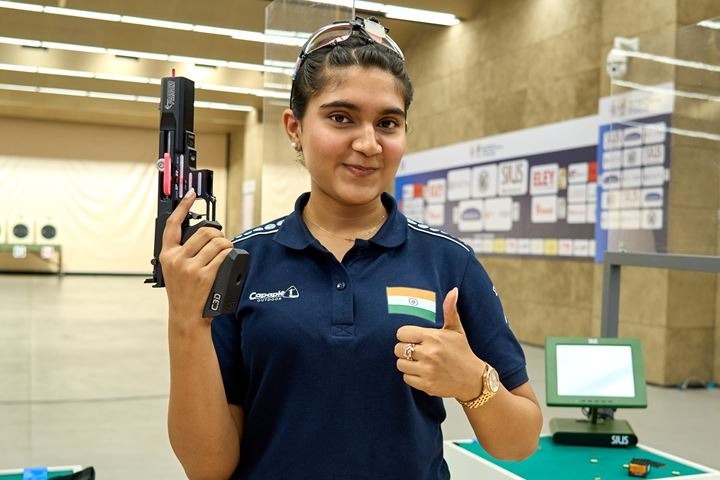
Esha Singh enters the Games ranked world No. 1 in the women’s 25m pistol and No. 2 in 10m air pistol
However, the exclusion of shooters such as 10m air pistol exponents Samrat Rana and Varun Tomar from the Asian Games squad despite their World Championship medals has raised many questions on the selection policy.
“It is very surprising and there is a need to really tighten the policy so that players who are performing at the highest level get an extra edge,” said Vijay Kumar, Olympic Games silver medallist.
Wrestling: Hopes rest on Sehrawat and Kalkal

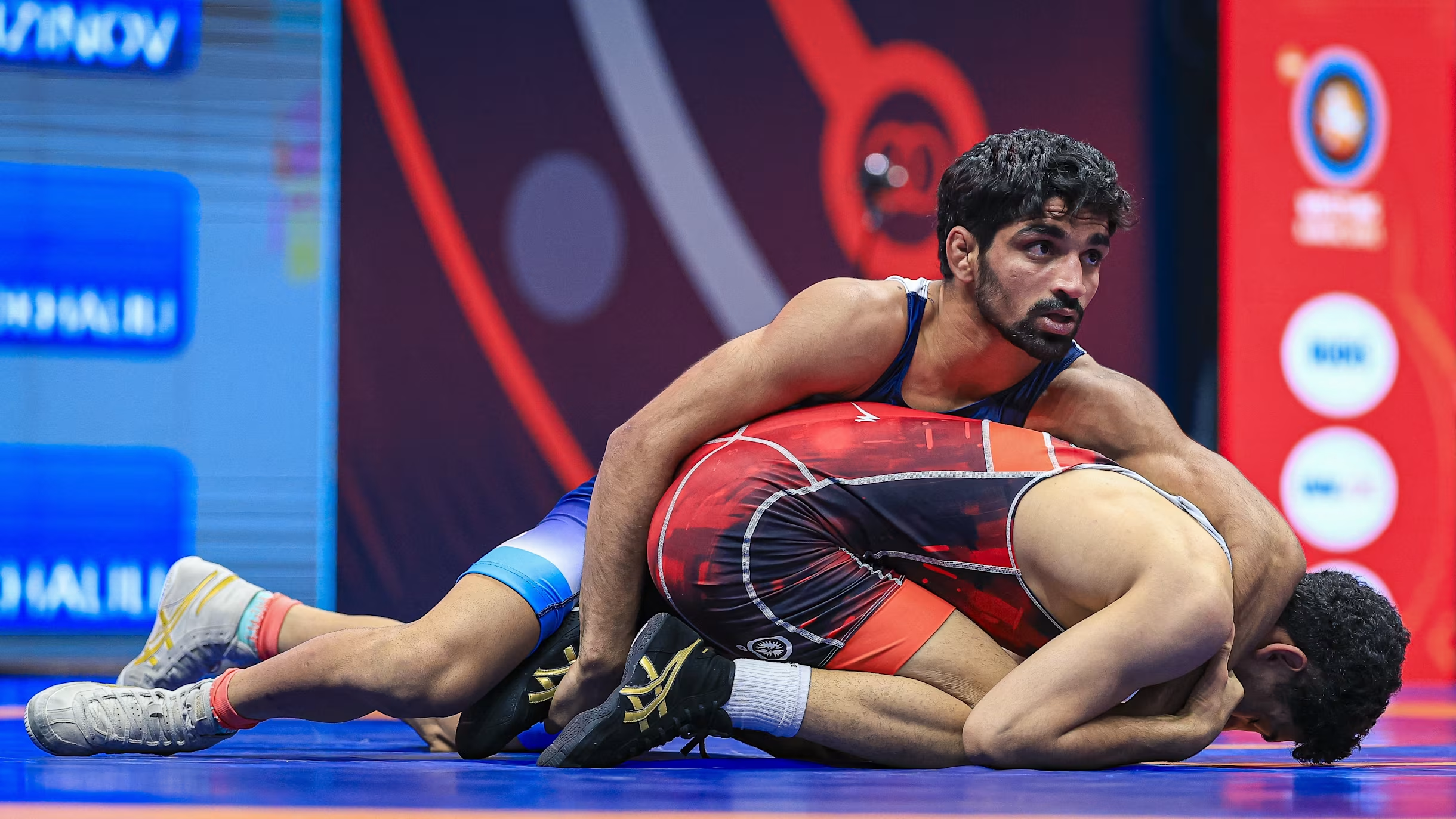
Aman Sehrawat, an Olympic bronze medallist, is among India’s leading wrestling prospects
Aman Sehrawat, an Olympic bronze medallist, is among India’s leading wrestling prospects. But it is not clear whether he will compete in the 61kg class as he has done in the past or in a lower weight category. Current assessments also identify Sujeet Kalkal as another wrestler capable of putting up a strong challenge for a medal in the 65kg class.
In the women’s events, Antim Panghal, Manisha Bhanwala and Nisha Dahiya will also be in contention, although the Japanese, Chinese and North Korean fields will provide significant competition. India has traditionally been one of the major medal-winning nations in wrestling at the Asian Games, but the 2026 squad will need to navigate a strong field to match previous hauls.

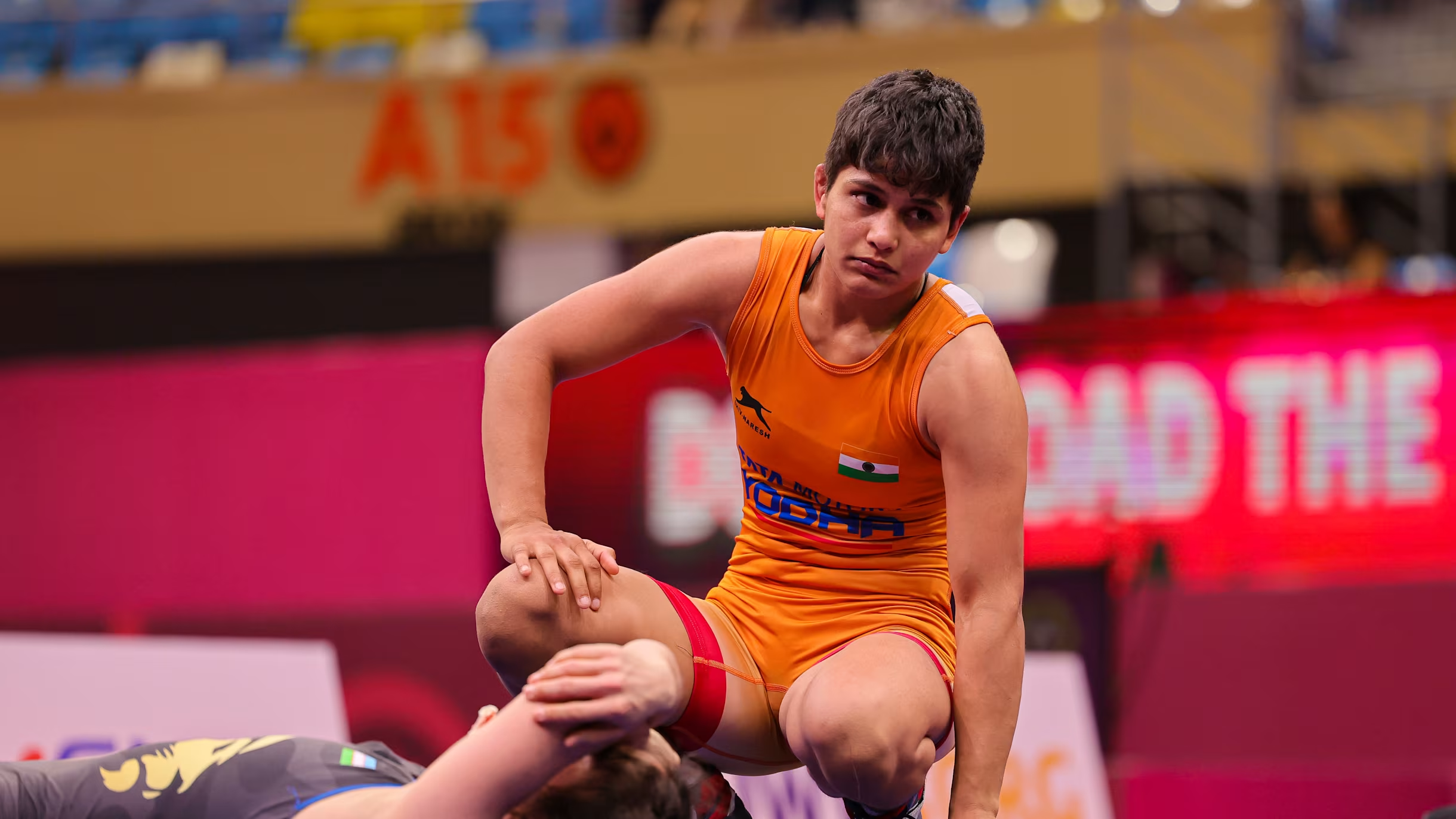
Antim Panghal
The broad picture is that India has enough depth to expect another 100 plus medal haul, but this time the journey will be a little more difficult because Asian competition has become stronger. Shooting, archery, athletics and wrestling are expected to provide individual medals, while hockey, cricket and kabaddi offer important opportunities in team events.
Asian Games countdown: Shuttlers Sindhu, Lakshya, Satwik-Chirag carry India hopes
Part 2: Shuttlers Sindhu, Lakshya, Satwik-Chirag carry India hopes