Exclusive
Lords of the Ring: Erstwhile Andhra Pradesh’s golden era of boxing

Boxing, once upon a time, was not just a sport in the erstwhile Andhra Pradesh — it was a spectacle. The ring crackled with tension. The stands overflowed with noise. Fighters entered as contenders and exited as heroes.
That era is over.
Today, boxing in the state is gasping for relevance. Once a symbol of discipline and raw masculinity, the sport has steadily faded over the past 15 years. The reasons are stark and familiar — official apathy, a drought of competitions, and almost no employment avenues for boxers once their competitive days end.

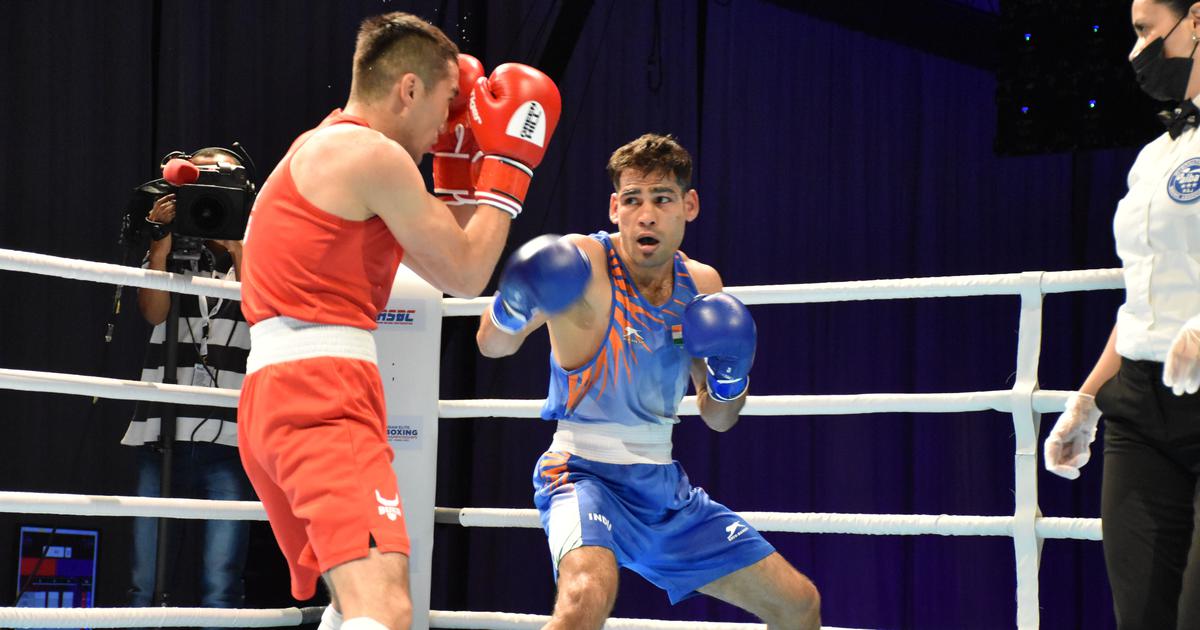
Mohammad Hussamuddin carved a niche for himself with some incredible performances, that include two bronzes in the Commonwealth Games and another feather in his cap in the World Championship
The irony is painful. Talent is not the problem. It never was. The state still has good coaches and sound infrastructure. Women’s boxing, in fact, is on the rise. With Nikhat Zareen’s international success, young girls are once again stepping into the ring with ambition. But men’s boxing remains trapped in decline. The latest boxing hero from Telangana was Mohammad Hussamuddin.
Nikhat Zareen’s international success had triggered tremendous inspiration among women and young male boxers. Hussamuddin, also from Nizamabad city, carved a niche for himself with some incredible performances, that include two bronzes in the Commonwealth Games and another feather in his cap in the World Championship. Hussamuddin first took to gymnastics before switching to boxing, because he saw his father train young boxers. Nikhat too trained here taking blows and as they say rest is history.
Mention boxing to any old-timer and the memories come flooding back — especially of the 1970s, the golden era.
Lallaguda: The furnace where boxing thrived

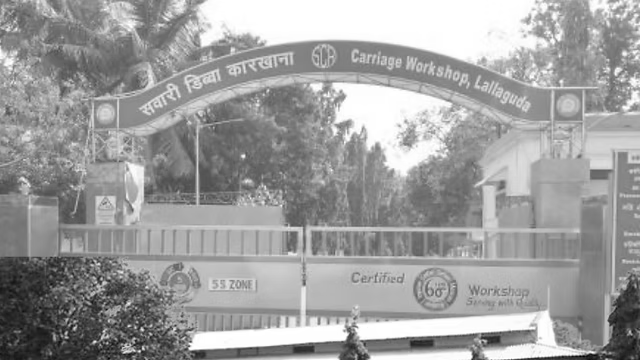
The heart of state boxing used to beat at the Lallaguda Workshop Stadium in Secunderabad
The heart of state boxing used to beat at the Lallaguda Workshop Stadium. It was raw, intimate, and electric. Wooden galleries creaked under the weight of expectation. Hired chairs hugged the ring. Every punch echoed.
This was where wars were fought. Some bouts were brutal slugfests. Others were masterclasses in movement and timing. Purists came for the science. The crowds stayed for the drama.
Anglo-Indians from nearby Railway colonies dominated the stands. Their running commentary — sharp, witty, often hilarious — cut through the tension and turned fight nights into carnivals. Families turned up in numbers. Boxing then was sport, theatre, and community rolled into one.
Brains before brawn
These were fighters who boxed with their heads as much as their hands. Denzil Wates, Leon Andrews, Herbert Pearce, Paul Fernandez, Franswah, the crafty southpaw Md Ibrahim, and the fiery Saleem Siddiqui commanded respect inside the ropes.

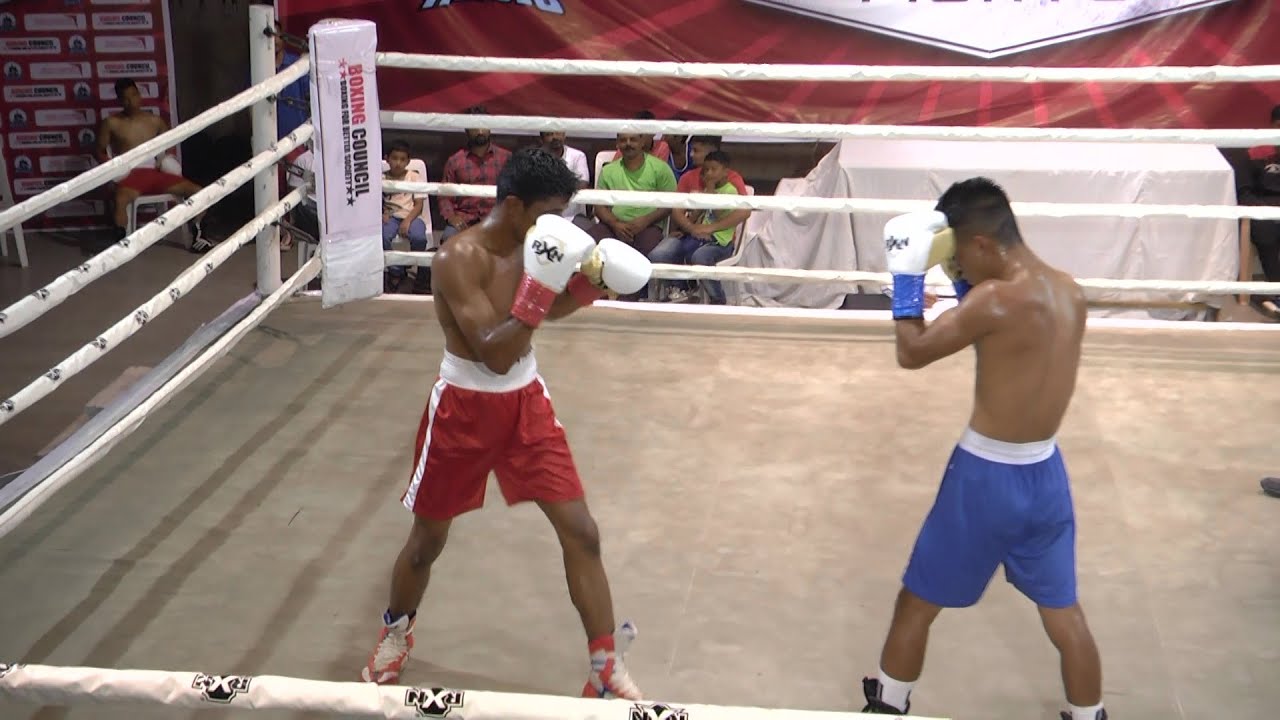
Nationals were held at the indoor stadium at Fateh Maidan, Lal Bahadur Stadium in Hyderabad
They belonged to a generation that valued ring intelligence. M Venkatesham, Zareer Vasaigara, Chote Miya, Norbert Saldanha, John Wilson, and earlier B D Manmohan and Seshu epitomised scientific boxing — clean lines, smart counters, controlled aggression. Venkatesham was a delight to watch. He just glided and waltzed with great felicity, unleashing devastating uppercuts, hooks and crisp crosses that landed cleanly on the head and upper body.
Zareer was another pugilist, blessed with pugnacity, panache and power. His quicksilver reflexes and lightning strike rate drew repeated applause. If Sam Luck was a boxer of supreme calibre and class, knocking the daylights of his opponents with clean and effective exhibition of ring craft, Manmohan carried a ton of weight behind his punches, while he moved about with dexterity and finesse. At the turn of the millennium, Saad Farooqui briefly rekindled that tradition.
The men in the shadows
Behind the spotlight stood dedicated coaches. Alfred D’Silva and Sam Luck built the foundation. They were followed by Chiranjeevi, Stevenson, Dennis Swamy, and now Omkar Yadav, each shaping talent with discipline and patience.

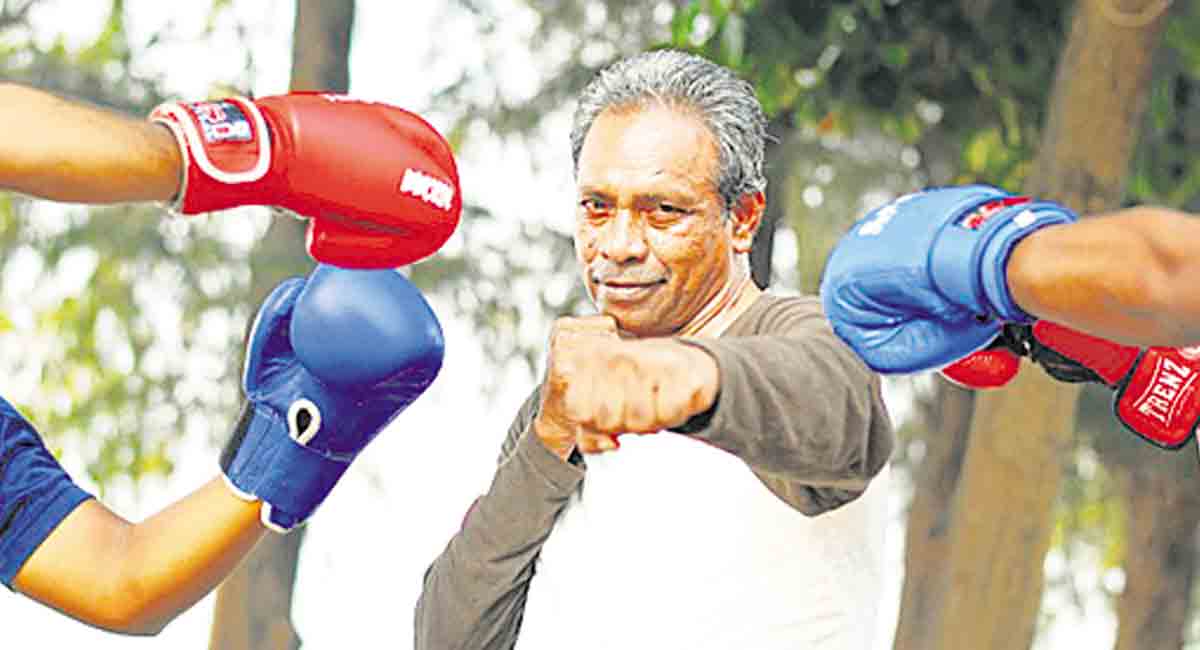
Boxing coach Chiranjeevi produced many pugilists in the erstwhile state of Andhra Pradesh
The ring officials were equally formidable. Mohan Rao Martin, Ralph Mills, G T Murthy, and A M Andrews ran bouts with iron impartiality. Their word was final. Their integrity unquestioned.
Railway power and national stage
Inter-Railway boxing was always box-office. Fighters lived in railway bogies, trained at Railway grounds, and fought with pride. More importantly, the Railways offered secure jobs — making boxing a career, not a gamble. There were some competitions held at the temporary ring at the Gymkhana and then another Nationals at the indoor stadium at Fateh Maidan. The indoor stadium at Gachibowli was venue for the National Games where some great bouts unfolded.
They fielded men like Omprakash, Ram Mohan Rao, Shivaprasad, and Sen. The Services team, meanwhile, was stacked with national heavyweights. Another Services boxer was light flyweight Birendra Singh Thapa, who was a pocket dynamite. But being a light flyweight, he was a small sized guy.
Once during a bout, after the second round, he was sitting on the stool in his corner and his second was trying to refresh him by swishing a towel frantically in his face. One spectator shouted: “Itna zor se towel nako jhatkao. Halka admi hai. Hawa me udd jayenga.”
The National Championships of the 1970s were packed, noisy, unforgettable. Chandra Narayan, Munuswamy Venu, Tiger Subramaniam, the explosive Mool Singh, and heavyweight great Hawa Singh delivered performances that lifted the sport to its peak.

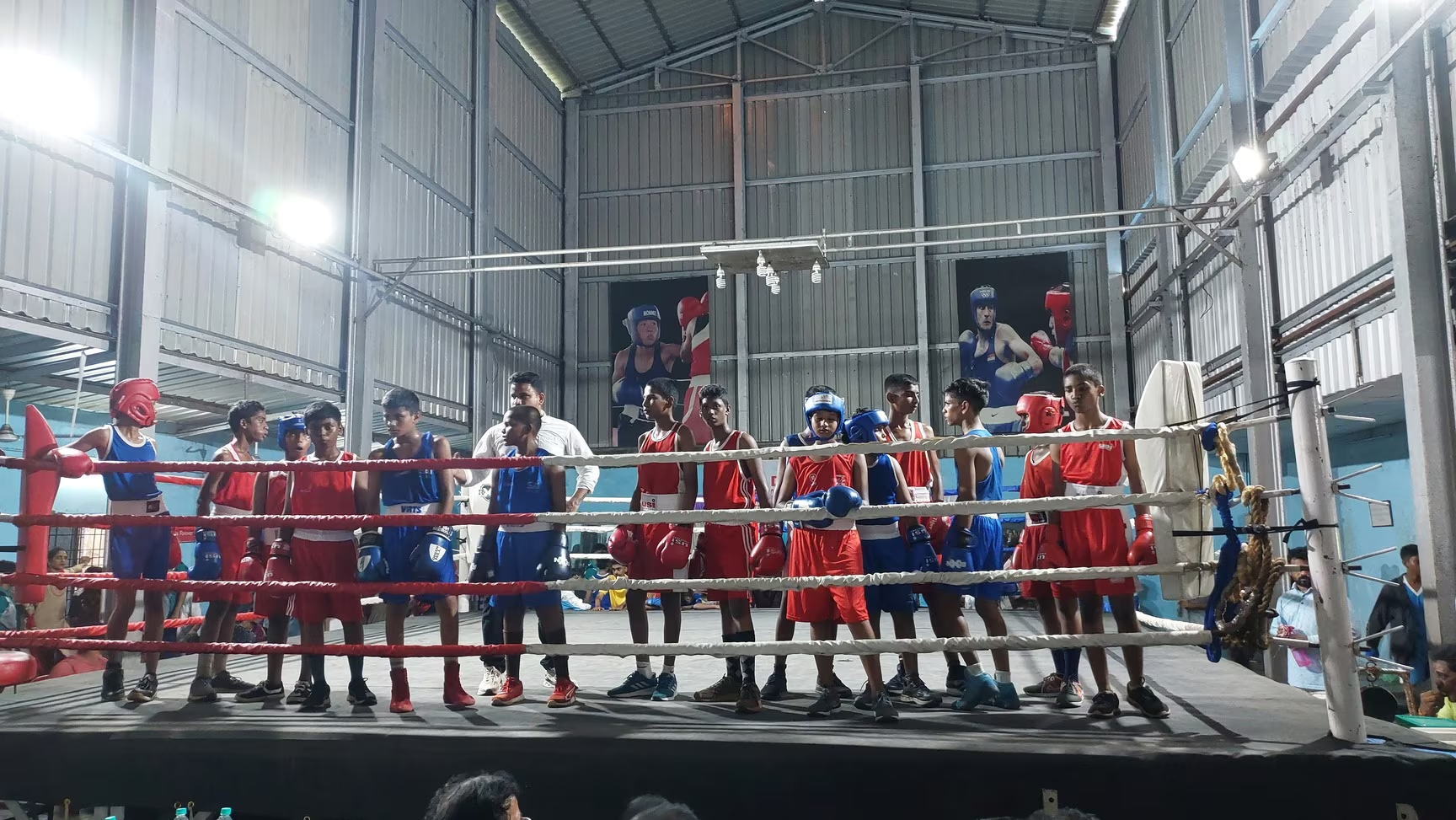
Visakhapatnam was another super venue in the early 80s. The boxers stayed at one place and would walk to the nearby RK beach and shadow box with the waves
Visakhapatnam was another super venue in the early 80s. The boxers stayed at one place and would walk to the nearby RK beach and shadow box with the waves. Referee Martin would shout as a huge wave would come crashing “Here’s a big one coming show your bums to it”. The fighters enjoyed every bit but in the ring it was different. Punch for punch and the roar of the crowd witnessing these bouts after long time soaked in every moment.
A chance wasted by boxing officials
Hyderabad later hosted the National Games. Top-class boxing infrastructure and equipment were put in place. It should have triggered a revival.
It didn’t.
Officials failed to capitalise. Momentum was lost. Standards slipped. The rings fell silent.
Once, Andhra Pradesh produced lords of the ring.
They fought with skill, courage, and intelligence.
Today, their legacy survives only in memory—waiting for a revival bold enough to honour it.