Exclusive
Asian Games countdown: Cautious optimism prevails in Indian men & women hockey teams

Hockey will be one of the major attractions for India at the 2026 Asian Games in Aichi-Nagoya, Japan. The men’s and women’s tournaments carry added importance beyond the Asian Games level. That is because the winners of both competitions will qualify directly for the 2028 Los Angeles Olympics, while the other teams will have to go through the Olympic qualifying process.
Asian Games 2026 countdown: India trains its guns on 100 medals, but can it be done?
Historically speaking, it is Pakistan who have the best record in men’s hockey at the Asian Games. Pakistan have won 8 gold, 3 silvers and 3 bronze medals. India are in second place with 4-9-3 and third is Korea with 4-1-3.

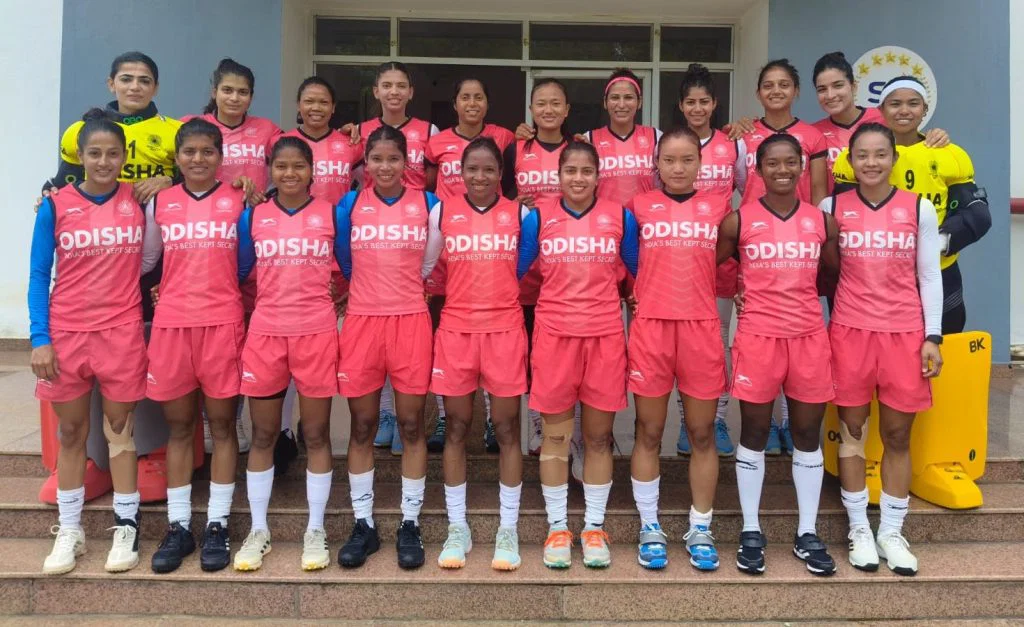
Indian women hockey team for Asian Games
But in 2026, Indian men are the defending champions with a point to prove. Harmanpreet Singh, who led India to gold in the previous edition, will again captain a squad containing a mixture of experience and youth. The team includes established players such as Amit Rohidas, Manpreet Singh, Hardik Singh, Vivek Sagar Prasad, Mandeep Singh and Abhishek Nain.
Asian Games countdown: Shuttlers Sindhu, Lakshya, Satwik-Chirag carry India hopes
India won Olympic bronze medals at Tokyo 2020 and Paris 2024, demonstrating their ability to perform under pressure in major tournaments. At the same time, the eighth-place finish at the most recent Men’s World Cup was a huge disappointment. Therefore, the Asian Games provide India an opportunity to recapture form and demonstrate that the squad remains a major force in Asian hockey.
https://x.com/TheHockeyIndia/status/2100520791703961994?s=20
There was little time for reconstruction
However, it will not be an easy task. The gap between India’s World Cup exit and the team’s departure for the Nagoya Asian Games was just a few days. The intervening period did not give the players and coaches enough time to analyse and rebuild. Former captain and goalkeeper PR Sreejesh, believes that Indian hockey is not broken but instead it is stuck in a loop of avoidable mistakes. He has attributed the men’s team’s recurring defensive lapses to structural deficiencies.
Asian Games countdown: India expect to make significant gains in boxing and weightlifting
A long-standing weakness of the Indian men’s team has been the shaky defence. Leaking goals in the closing stages when the game is on the balance, has been India’s biggest drawback. During an interaction with the media, Sreejesh pinned the blame on India’s switch to zonal marking tactics under coach Craig Fulton and the team’s failure to adapt to the new tactic.

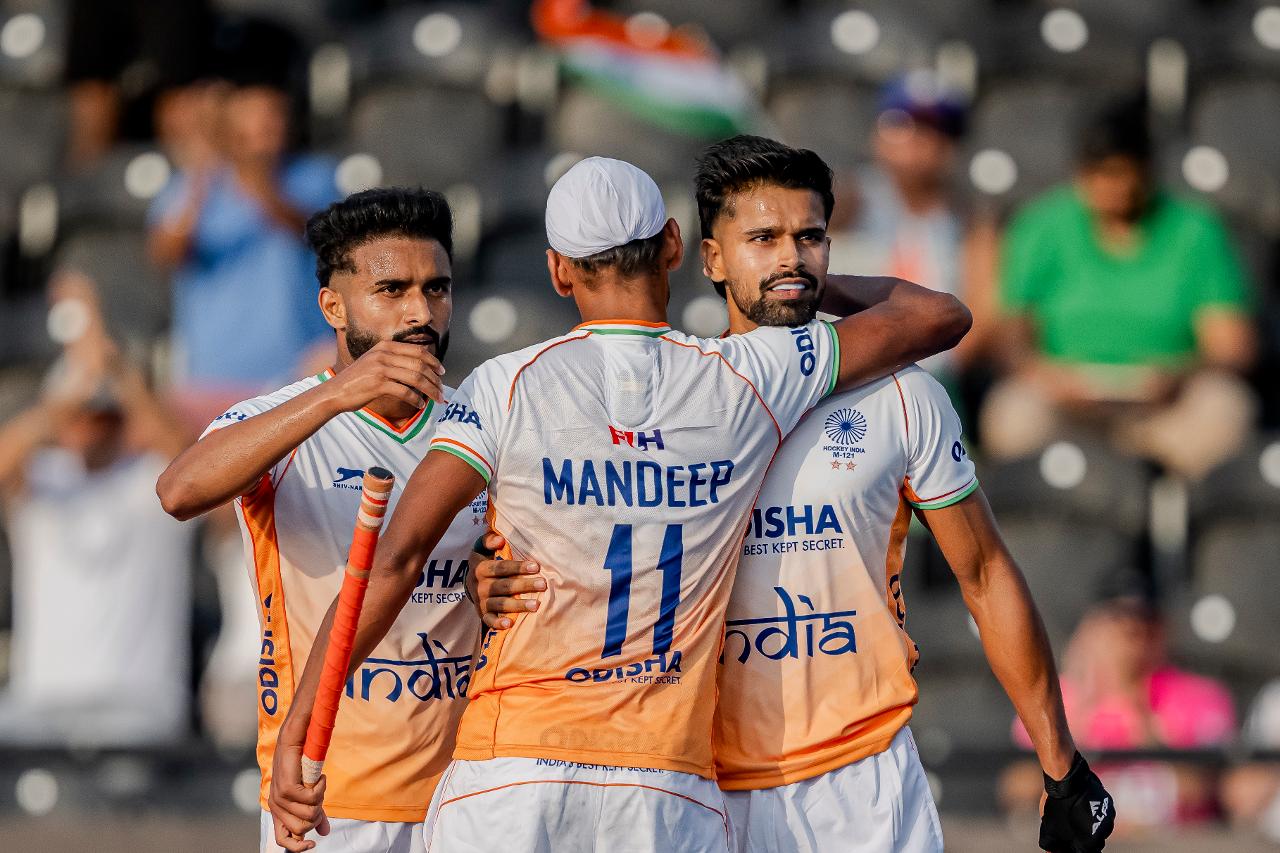
Former captain and goalkeeper PR Sreejesh, believes that Indian hockey is not broken but instead it is stuck in a loop of avoidable mistakes. He has attributed the men’s team’s recurring defensive lapses to structural deficiencies
“Earlier, when we used to play, we used to go for man-to-man marking. Everyone understood that system,” said Sreejesh to the media. “But nowadays we are playing a system which has a different structure. Asking the defenders to do zonal marking requires instinctive communication and understanding. Because you may see 2-3 people in the same zone, and sometimes you get confused about whom you should mark. A split-second hesitation may result in conceding a goal.”
Coach Craig Fulton sounds optimistic note
On the other hand, coach Craig Fulton remains optimistic. “We didn’t have much time between the World Cup and the Asian Games, but we are really excited to get going again. We have discussed everything, gone through everything and highlighted areas needing improvement. It’s now about action and implementation as we line up for our first game on Sunday,” he said.
Asian Games countdown: Injury hit Indian squad needs to surmount several hurdles
It must be noted that the hockey competition at the Asian Games is not as tough as it is at the world level. The strong European teams will not be in the fray. So, it will not be very difficult for India to patch up its existing weaknesses. With the right planning and execution, it can be done. India’s first match is against Indonesia on Sunday (September 20).
https://x.com/TheHockeyIndia/status/2101187960343605666?s=20

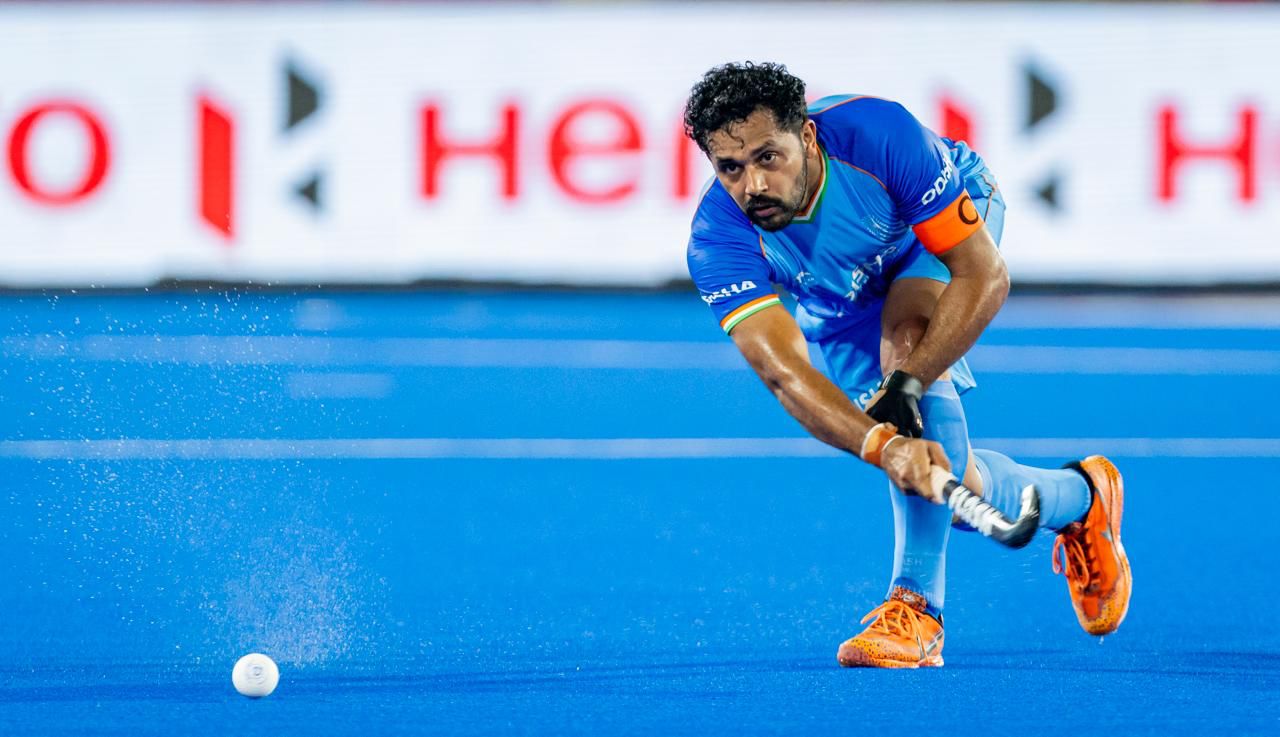
Skipper Harmanpreet Singh will again play a particularly important role. His drag-flicking ability makes him a major weapon in penalty corners
India have been drawn in Pool A with hosts Japan, Korea, Bangladesh, Sri Lanka and Indonesia. India’s arch rival Pakistan in the other pool which means India will face the green shirts only in the knockout rounds. But the presence of Japan and Korea in India’s group means that the pool stage should not be taken lightly.
Indian men and women’s cricket teams aim to defend historic double gold at Asian Games
Harmanpreet Singh will again play a particularly important role. His drag-flicking ability makes him a major weapon in penalty corners, while the experience of Manpreet Singh and Amit Rohidas can provide stability at crucial moments. The younger members of the squad will also have an important role as the tournament progresses.
Indian women’s team on the rise
The women’s tournament could be even more interesting from the Indian perspective. India has won the women’s Asian Games hockey title only once, in 1982. A second gold medal would therefore be a landmark achievement.

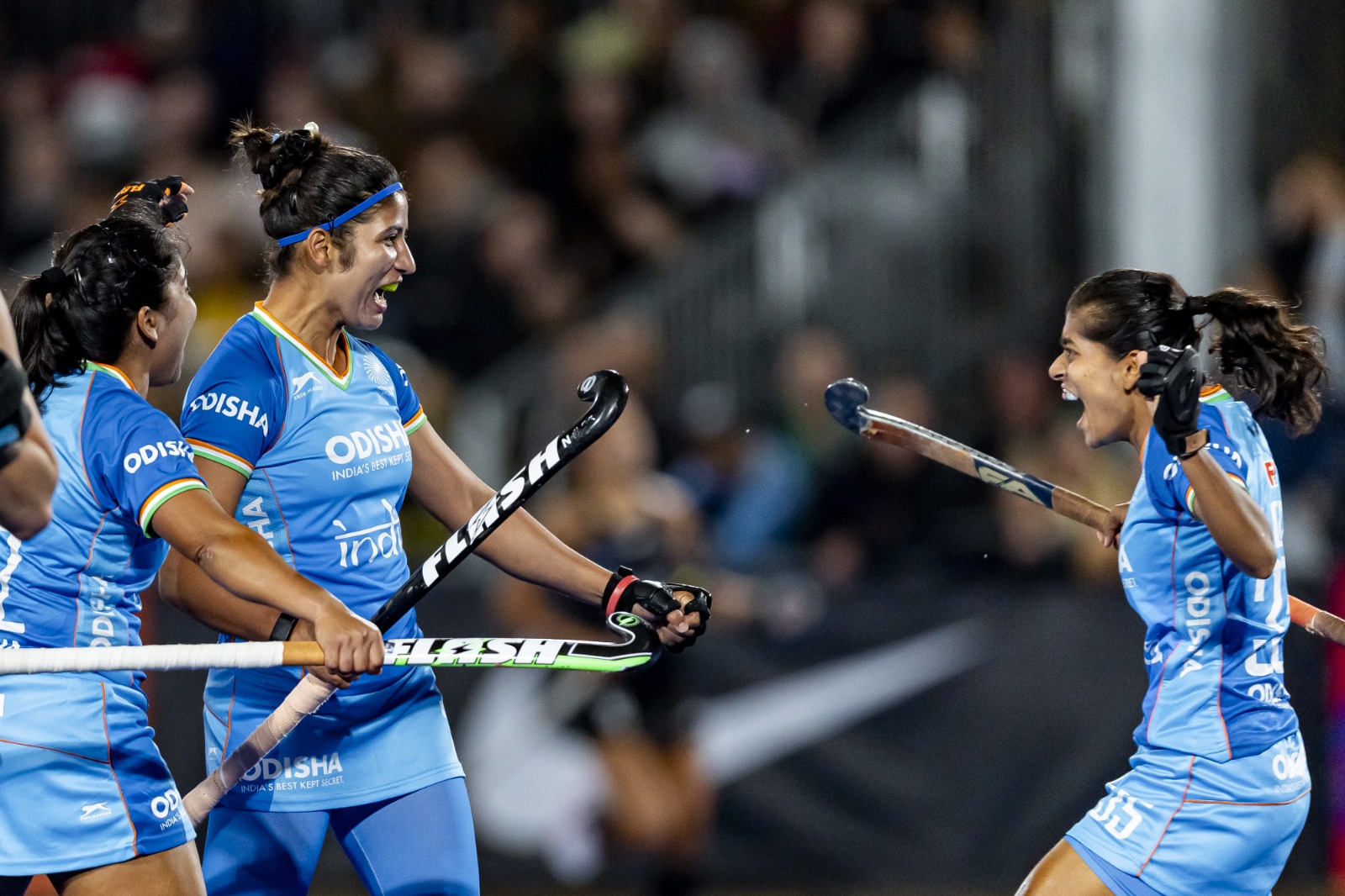
Indian women have won the women’s Asian Games hockey title only once, in 1982. A second gold medal would therefore be a landmark achievement
Captain Salima Tete will lead a team which has shown considerable signs of improvement. The squad includes experienced players such as goalkeeper Savita Punia, Lalremsiami and Navneet Kaur, alongside younger players who have now become important members of the squad.
The team’s confidence has been strengthened by its recent performances. India won the FIH Nations Cup in New Zealand and its fifth-place finish at the 2026 Women’s World Cup provided further evidence of its progress.
Coach Sjoerd Marijne has spoken about the balance between experienced players, seniors and younger members of the squad. That combination could be valuable in a tournament in which consistency is likely to be as important as individual brilliance.
Asian Games countdown: Indian women’s kabaddi team eyes fourth straight title
India are in Pool B alongside Japan, Thailand, Singapore, Indonesia and Uzbekistan. The Indian women’s first match will be against Uzbekistan on Sunday. In Pool A are China, Korea, Malaysia, Kazakhstan, Taiwan and Bangladesh.
Olympic incentive for hockey teams
The biggest attraction of the Asian Games hockey tournaments is undoubtedly the Olympic qualification which is at stake. For India’s men, this is a chance to maintain their position at the top of Asian hockey and ensure another Olympic appearance without having to negotiate the hazardous qualifying route.
For the women, the stakes are even higher. A gold medal would end a 44-year wait for another Asian Games title and simultaneously secure Olympic qualification. That makes the women’s tournament an opportunity to turn recent progress into a major achievement.
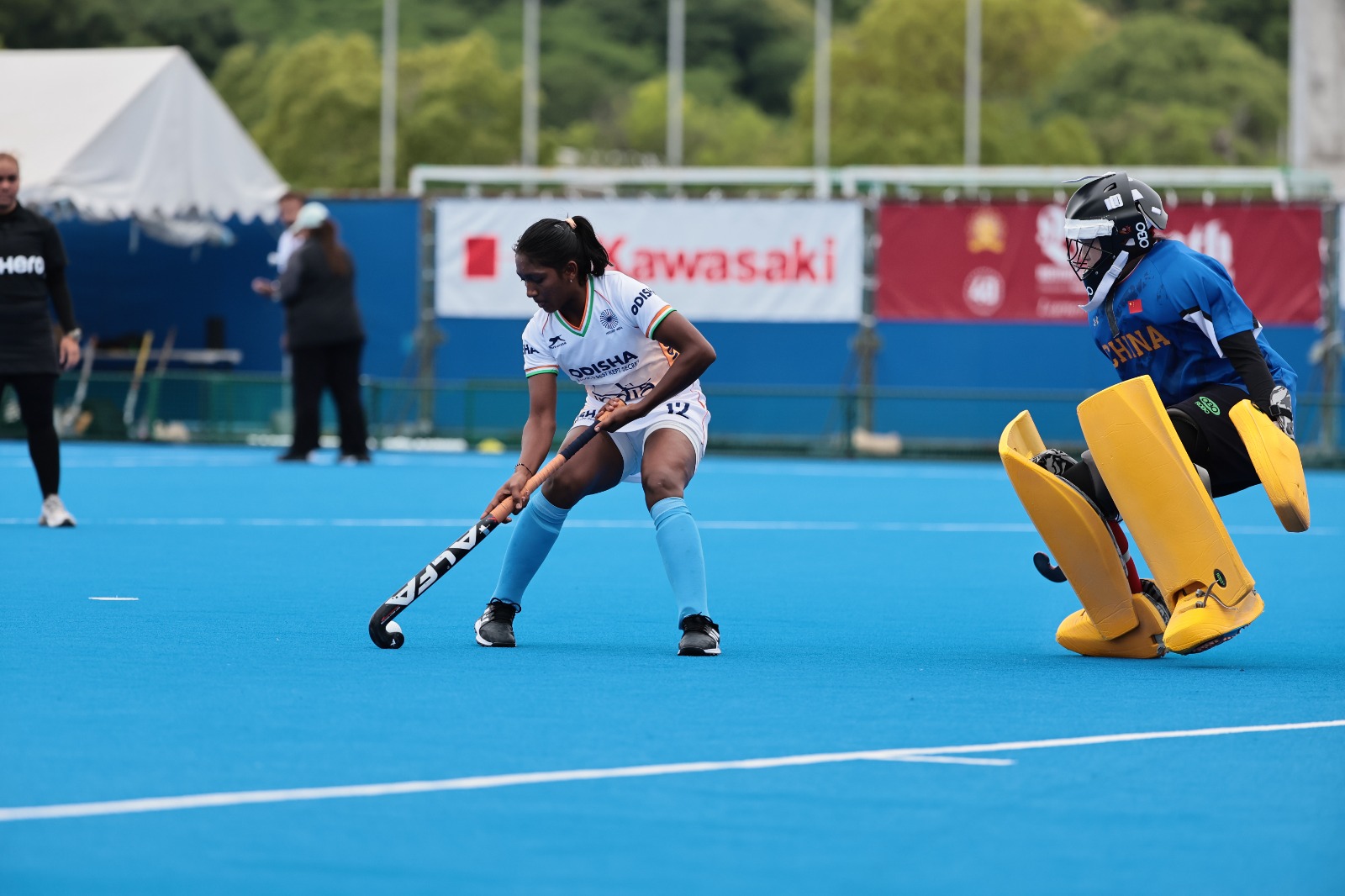
For the women, the stakes are even higher. A gold medal would end a 44-year wait for another Asian Games title and simultaneously secure Olympic qualification. That makes the women’s tournament an opportunity to turn recent progress into a major achievement. Pics: Hockey India
The crucial factors for India’s men’s and as well as women’s teams are penalty-corner conversion rates, defensive organisation and the ability to handle pressure in knockout matches. India’s men’s side possesses considerable experience of big tournaments, while the women’s team will hope its recent improvement will translate into consistency against its strongest Asian opponents.
Asian hockey has several noteworthy teams such as China, Japan, Korea and Malaysia, while Pakistan is a significant opponent in the men’s competition. India enter the Asian Games competition with realistic medal ambitions in both categories. The Indian men’s team wants to defend its crown, while the women’s team has the opportunity to achieve something it has not done for more than four decades.
If both teams can live up to expectations, hockey could once again become one of the highlights of India’s Asian Games campaign. A double medal in hockey will surely inspire athletes from other disciplines to give their top performances in their own events too.